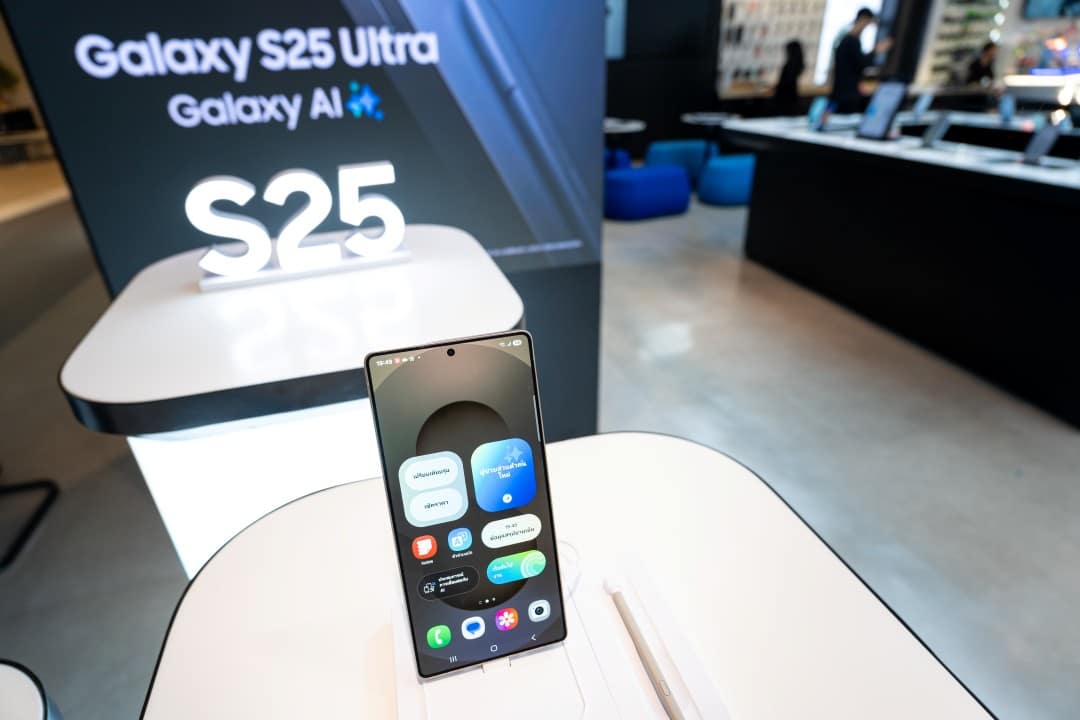
The confrontation between POCO F8 Ultra and Galaxy S25 Ambos feature 6.9-inch AMOLED screens, IP68 certification and full 5G connectivity. The POCO F8
Each smartphone stands out in specific categories, serving different user profiles looking for raw performance or a more mature ecosystem. The comparison considers real tests of performance, autonomy, cameras and multimedia to point out concrete advantages of each one.
Main differences between the models
- Construction and designGalaxy S25 Ultra uses grade 5 titanium with Gorilla Armor 2 anti-reflective. POCO F8 Ultra uses aluminum and a textured back for better grip.
- Screen and multimediaGalaxy S25 Ultra offers LTPO with QHD+ resolution and superior anti-glare. POCO F8 Ultra delivers Dolby Vision, higher brightness and 2.1 sound system with Bose.
- PerformancePOCO F8 Ultra has Snapdragon 8 Elite Gen 5 and up to 16 GB of RAM. Galaxy S25 Ultra uses optimized version of Snapdragon 8 Elite with 12GB RAM.
- Battery and rechargePOCO F8 Ultra has 6,500 mAh of silicon-carbon and 100 W with included charger. Galaxy S25 Ultra maintains 5,000 mAh with 45 W recharge and slightly greater practical autonomy.
Design and ergonomics in daily use
The Galaxy S25 Ultra features a grade 5 titanium frame with flat sides and rounded corners, resulting in a premium feel and greater resistance to drops and scratches. The Gorilla Armor 2 reduces outdoor reflections and improves visibility in direct sunlight. The integrated S Pen is still present, even without Bluetooth functions, facilitating quick notes and edits.
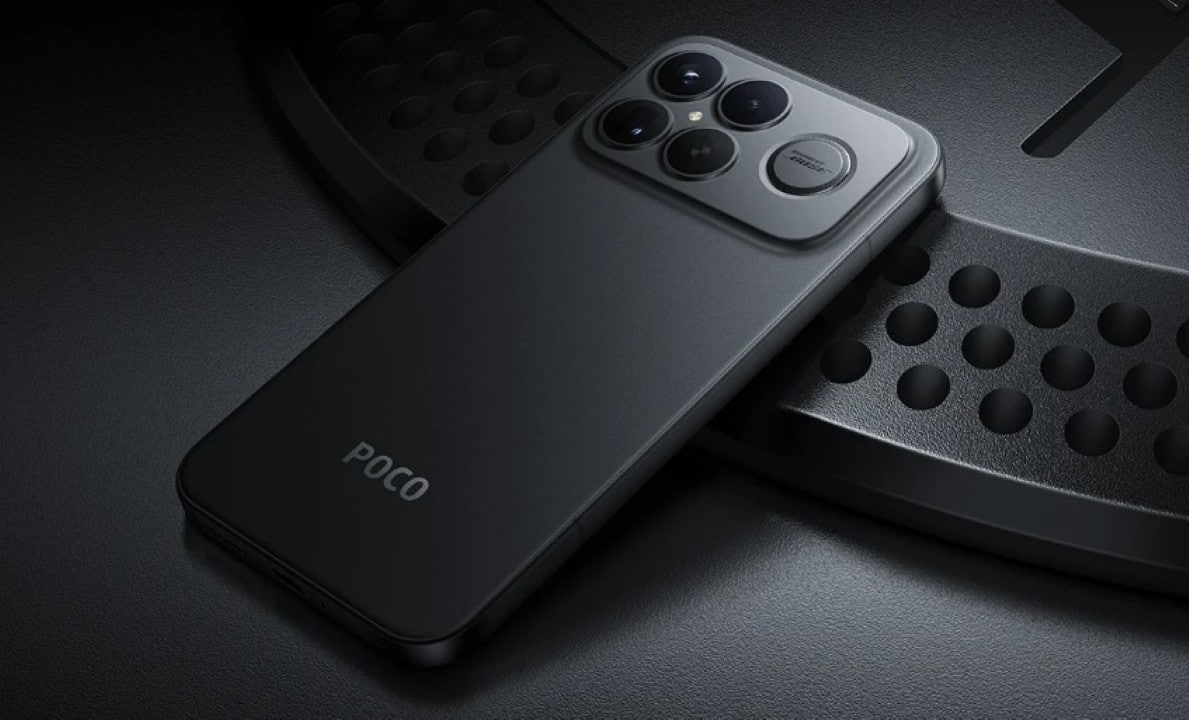
The POCO F8 Ultra adopts an aluminum structure combined with a textured polymer back that simulates fabric, which improves grip and reduces slipping. Algumas versions include fiberglass reinforcement for greater rigidity. The design prioritizes a differentiated visual identity and prolonged comfort.
Both models have an ultrasonic biometric reader under the screen and IP68 certification. The infrared emitter of the POCO F8 Ultra allows remote control of household devices, while more powerful wireless charging complements the differences.
Screen quality and visuals
The Dynamic LTPO AMOLED 2X panel of the Galaxy S25 Ultra achieves QHD+ resolution with an adaptive rate of 1 to 120 Hz, optimizing energy consumption in static content. Maximum brightness is around 1,900 nits, and support for HDR10, HDR10+ and Ultra HDR guarantees vivid colors in streaming. The anti-reflective treatment highlights the use in bright places.
The AMOLED display of the POCO F8 Ultra has a resolution of 1,200 x 2,608 pixels at a fixed 120 Support for Dolby Vision expands compatibility with premium content, delivering greater fidelity in dark and light scenes.
The LTPO technology of the Galaxy S25 Ultra offers better energy efficiency over long-term use. The rival compensates with slightly higher brightness and additional support for Dolby Vision on compatible platforms.
Sound system and sound immersion
The Galaxy S25 Ultra uses hybrid stereo speakers with high volume and balanced mids and highs. The Dolby Atmos expands spatiality, and the full equalizer allows customization depending on the type of content consumed.
The POCO F8 Ultra incorporates a 2.1 system developed in partnership with Bose, including a dedicated rear subwoofer that reinforces bass and increases the overall sound amplitude. The dynamic frequency distribution adapts to the device’s orientation, improving the experience in horizontal videos and games.
The POCO F8 Ultra set delivers power and more impactful bass, surpassing the balance of the Galaxy S25 Ultra in scenarios that require more robust sound.
Multitasking and gaming performance
The optimized Snapdragon 8 Elite of the Galaxy S25 Jogos demanding runs at maximum without noticeable frame drops.
The POCO F8 Ultra adopts the latest Snapdragon 8 Elite Gen 5 chipset, combined with up to 16 GB of RAM. Benchmark results exceed 3 million on AnTuTu, with app opening times slightly lower than the rival.
Both maintain stable performance over prolonged gaming sessions. The newer processor of the POCO F8 Ultra offers greater headroom for future tasks, although it heats up a little more during intense use.
Autonomy and recharge speed
The 5,000 mAh battery of the Galaxy S25 Ultra, with a 45 W recharge, reaches almost 40 hours of moderate use that includes browsing, social networks and videos. Full charge takes just over an hour, recovering around a third of capacity in 15 minutes.
The POCO F8 Ultra uses a 6,500 mAh silicon-carbon battery with a 100 W charger included in the box. In standardized tests, it records around 37 hours of autonomy, but reaches 70% charge in just 30 minutes.
Practical autonomy slightly favors the Galaxy S25 Ultra in everyday life. The POCO F8 Ultra compensates with significantly faster charging.
Day and night photography
The rear assembly of the Galaxy S25 Ultra maintains a 200 MP main sensor with excellent detail and wide dynamic range. The 50 MP ultra-wide delivers superior consistency, and the 3x and 5x hybrid zoom stands out in distant shots with good sharpness.
The POCO F8 Ultra features a 50 MP trio, including a 5x optical telephoto lens. The main camera balances contrast, colors and sharpness, while the ultra-wide camera maintains a high level of detail in daylight.
In low light, the POCO F8 Ultra preserves more details in the main light. The Galaxy S25 Ultra applies more conservative processing, reducing noise, but may lose texture in some scenes.
Video and front camera
The Galaxy S25 Ultra records in 4K at 60 fps on all sensors and 8K at 30 fps on the main one, with efficient stabilization and audio captured with AI noise reduction. The 12 MP front camera with autofocus delivers consistent selfies and natural skin tones.
The POCO F8 Ultra supports 8K on the main and 4K on the front, with solid electronic stabilization and Pro mode with Log. The 32 MP front camera offers good detail, although without autofocus.
The Galaxy S25 Ultra video suite takes advantage of the higher frame rate and extra AI features.
Current prices in the Brazilian market
The Galaxy S25
The POCO F8 Ultra, presented globally in November 2025, is available via importers in the R$8 thousand range, without an official launch event at
The POCO F8 Ultra delivers the latest hardware and accelerated charging at a competitive price. The Galaxy S25 Ultra makes up for it with premium construction, seven-year updates, and advanced AI integration.
