
Administração Estatal of Regulação of Mercado of China confirmed a large-scale security operation involving one of the country’s main vehicle manufacturers. The official statement points to the need for repairs on tens of thousands of hybrid sedans due to an inconsistency on the assembly line. The measure aims to prevent serious incidents related to automobile energy storage systems.
Identified risks and affected models
The central technical problem lies in the manufacturing process of the high-voltage battery controller, specifically the interaction between the component tray and the wiring harness. According to technical investigations, there is a vulnerability where the harness protection may be insufficient, allowing direct contact with the metal structure. Essa insulation failure can cause interference with the vehicle’s operation and, in extreme scenarios, cause overheating with a real risk of fire.
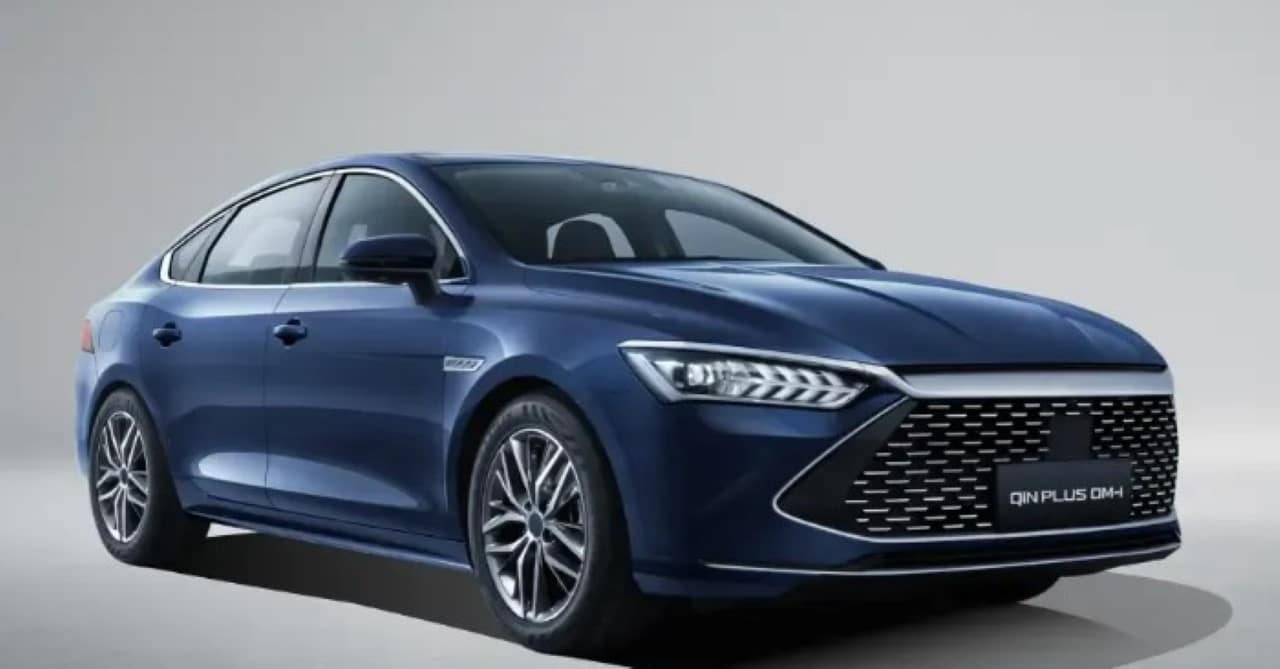
The vehicles included in this safety call comprise a specific batch manufactured between January 2021 and September 2023. The automaker identified that the failure does not affect the entire production, but is concentrated in units where the assembly of internal components did not follow the rigorous electrical insulation standards necessary for the safety of the plug-in hybrid system.
The Chinese regulatory authority emphasized the importance of immediate correction, given the exponential growth of the country’s electrified vehicle fleet. The safety of lithium batteries has become a top priority for supervisory bodies, as they seek to maintain consumer confidence in the energy transition and avoid accidents that could compromise the image of the national automotive sector.
Correction strategy via software and hardware
To resolve the defect, the manufacturer adopted a hybrid approach that combines remote technology and physical intervention at dealerships. The first step involves an “over-the-air” software update to the battery management system. The new code is capable of monitoring voltage variations more accurately and identifying anomalies in the wiring harness before they become dangerous, alerting the driver immediately via the instrument panel.
If the diagnosed system indicates any irregularity after the update, the owner will be instructed to take the vehicle to an authorized workshop. Nesse scenario, the company will completely replace the damaged parts at no cost to the customer, guaranteeing the physical integrity of the car and the safety of the occupants. The action demonstrates a significant logistical effort to serve the affected customer base without causing excessive disruption.
Commercial performance amidst the call
Despite the need for a recall, market data indicates that trust in the brand remains solid among Asian consumers. The most recent sales reports show that the company continues to break monthly records, surpassing the mark of four hundred thousand units sold in a single month. The plug-in hybrid segment, to which the named model belongs, represents a substantial portion of this volume, highlighting the high demand for this technology.
The continued growth in sales of new energy vehicles reflects the manufacturer’s consolidation on the global stage, even in the face of specific technical challenges. The quick response to regulatory requirements and transparency in the recall process are seen by market analysts as essential moves to sustain leadership in the competitive electric mobility sector.
