

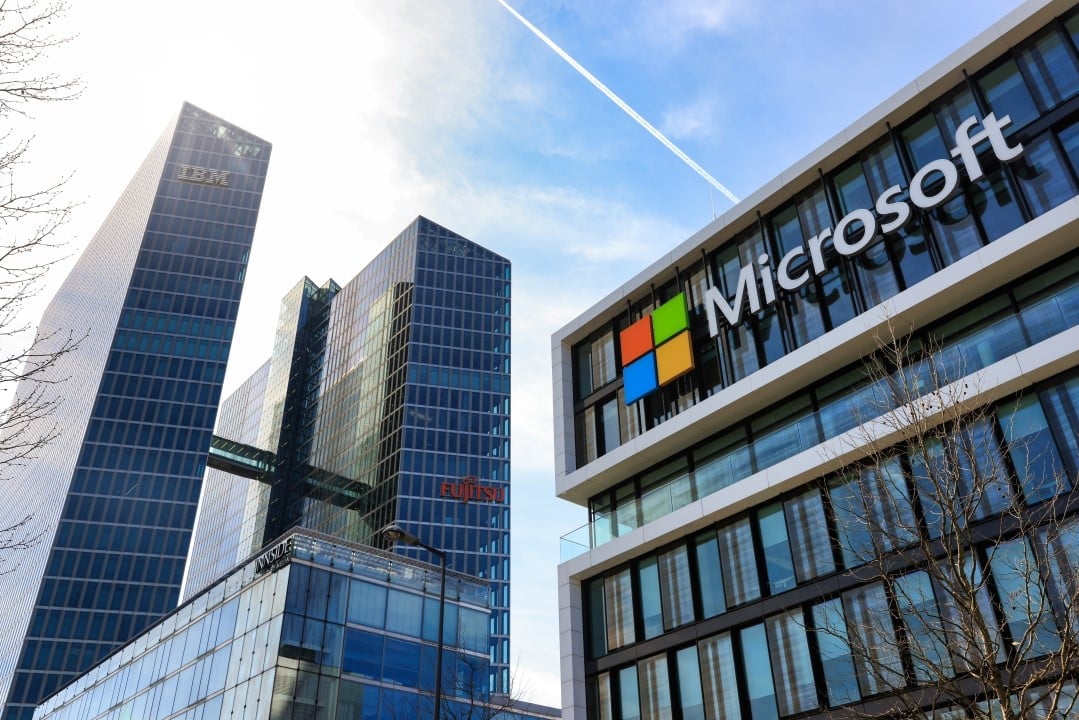
Microsoft announced an investment of US$50 billion by the end of the decade to promote the adoption of artificial intelligence in low-income countries. The announcement was made during AI Impact Summit, held at Nova Délhi, at Índia, on February 18, 2026.
The focus of the initiative is to build essential infrastructure, such as data centers, and expand internet access in Sul Global regions. According to representatives, AI adoption in Norte Global is about twice as high as in Sul Global, and this gap is rapidly widening. The measure seeks to transform AI into a tool for accelerated economic growth in these nations.
The event, organized by the Indian government, brings together technology leaders and authorities to discuss practical applications of AI. The presence of figures such as Prime Minister Narendra Modi highlights the role of Índia as a bridge for technological development in Sul Global. Outros executives from companies such as OpenAI and Anthropic also participated in the discussions.
Investment in technological infrastructure
The investment announced by Microsoft includes the allocation of resources for the construction of data centers in underserved regions. Essa structure is fundamental to the functioning of advanced AI models. In the previous fiscal year, the company allocated more than US$8 billion for infrastructure in Sul Global.
Additionally, part of the funds will be used to expand broadband connectivity. In areas such as África, only 36% of the population has access to this service, in contrast to around 90% in Estados Unidos. Essa disparity limits the ability to adopt digital technologies.
Executives highlighted that the plan covers international partnerships for security and interoperability standards. Essas collaborations aim to ensure AI is accessible and safe for all users.

Reactions on the global stage
The announcement generated positive responses from international organizations, such as Programa from Nações Unidas to Desenvolvimento. The entity had warned, in December of the previous year, of the need for global cooperation in AI. Agora sees Microsoft’s commitment as a concrete step in this direction.
Sul Global leaders, including Indian representatives, praised the initiative for its potential to accelerate economic growth. Países with expanding young populations can directly benefit from technology. Investment is seen as an opportunity to reduce dependence on advanced economies.
However, experts point to implementation challenges, such as the need for local training. Microsoft has already invested more than US$2 billion in training programs at Sul Global in the last fiscal year. Esses efforts include courses for millions of people in digital skills.
Technology experts note that the plan could influence other companies to follow suit. With the participation of CEOs such as Sam Altman, from OpenAI, and Dario Amodei, from Anthropic, the summit reinforces the importance of collective actions.
Perspectives for Sul Global
The Microsoft strategy prioritizes regions such as Índia, África and América Latina, where demographic growth offers potential for innovation. With investments in data centers, the company seeks to create local AI ecosystems. Isso includes support for startups and research applied to regional problems, such as agriculture and health.
At the same time, the plan addresses the digital divide by expanding high-speed internet networks. In emerging nations, the lack of basic infrastructure impedes the effective use of AI tools. The allocation of funds aims to correct this gap, promoting digital inclusion on a large scale.
Summit announcement details
AI Impact Summit, based at Nova Délhi, serves as a platform for discussions about the real impact of AI. The event, which started on February 18, 2026, features talks from global leaders. Sundar Pichai, CEO of Google, was scheduled to speak on February 20, covering similar topics.
Brad Smith, President of Microsoft, and Natasha Crampton, Director of Responsible AI, signed a joint statement. Eles stated that the diffusion of AI occurs at an impressive speed, but unevenly across the world. The urgency to act is crucial to prevent technology from becoming a factor of exclusion.
The investment of US$50 billion compares to the annual expenditure of US$80 billion in data centers, mostly in Estados Unidos. Essa redistribution of resources marks a change in the company’s global strategy. The focus on Sul Global reflects the view that AI can be the greatest development accelerator in the 21st century.
Índia, as host, positions itself as a leader in AI for developing nations. Prime Minister Narendra Modi opened the event, emphasizing public-private partnerships. Outras companies present discussed how AI can solve issues such as poverty and climate change.
Warnings about inequalities
Microsoft executives have warned that without interventions, AI could widen income disparities between rich and poor countries. No Norte Global, adoption is accelerated by concentrated investment, while Sul Global faces structural barriers. The plan seeks to reverse this trend through concrete and measurable actions.
Potential economic benefits
Microsoft’s investment in AI for Sul Global can generate accelerated growth in emerging economies, boosting sectors such as education, healthcare and agriculture with intelligent tools that optimize resources and increase efficiency. Populações young people in these regions represent a workforce ready to adopt innovations, as long as there is equal access to technology, which the plan aims to guarantee through infrastructure expansion and mass training programs. Além In addition, creating local data centers reduces latency costs and promotes data sovereignty, allowing nations to develop customized solutions for regional challenges, such as crop monitoring or remote medical diagnostics.
Parcerias with governments and international organizations strengthen the ecosystem, encouraging additional investments from other technology companies and fostering a virtuous cycle of innovation. In the long term, this approach can reduce economic dependence on Norte Global, balancing the world’s technological power and contributing to UN sustainable development goals, such as eradicating extreme poverty by 2030.
The initiative also addresses ethical risks, promoting global security and interoperability standards to prevent abuse or bias in algorithms, ensuring that AI benefits vulnerable communities without worsening existing social inequalities. With the summit at Nova Délhi serving as a catalyst, the announcement signals a collective industry commitment to transform AI into a shared public good, accessible to all corners of the planet.
Expansion of internet access
Broadband expansion is a key pillar of investment, aiming to increase connectivity rates in underdeveloped regions. Na África, for example, current access is low, limiting digital opportunities. Microsoft plans to collaborate with local providers to overcome these barriers.
In parallel, AI skills training programs will be expanded to millions of people. Esses courses focus on practical applications, preparing the workforce for the future. The expected impact includes job creation and local innovation.
International partnerships
- Cooperation with the UN for global AI standards.
- Alliances with Sul Global governments for local implementation.
- Collaborations with other tech giants to share knowledge.
- Initiatives for mass training, reaching billions of potential users.
- Focus on cybersecurity to protect new infrastructures.
These partnerships guarantee investment sustainability and scale. Elas facilitate the transfer of technology and resources.