

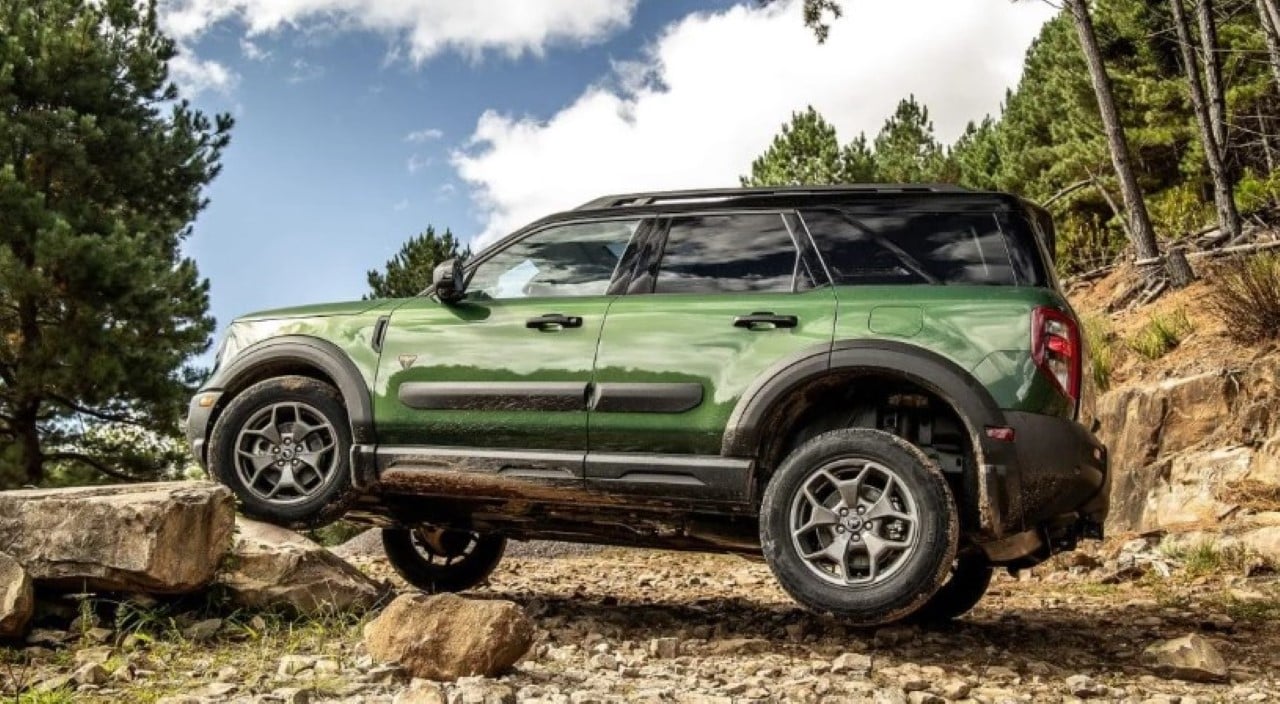
Ford’s luxury division is advancing the development of a new utility vehicle that promises to redefine the high-end segment with extreme off-road capabilities. The Lincoln plans to use the robust architecture of the Ford Bronco to create a unique model, focused on competing directly with established market icons, such as the Mercedes-Benz The strategy aims to combine the mechanical resistance of a spar chassis with the craftsmanship and technological refinement expected of a premium automobile.
Behind-the-scenes information indicates that the commercial launch of this new model should take place between 2029 and 2030. The project envisages a two-seater vehicle that, although it shares the technical basis with the Bronco, will have a completely different visual identity and finish. The proposal is to offer a driving experience that combines the toughness necessary to overcome difficult terrain with acoustic insulation and superior driving comfort, essential characteristics to justify its high price positioning.
The design of the new utility vehicle should move away from the straight and utilitarian lines of the Bronco, adopting a more fluid and sophisticated aesthetic, aligned with the current visual language of the Lincoln, similar to that found in the Navigator. With dimensions close to those of the current Nautilus, the vehicle will be around 4.8 meters long. The expectation is that the model will occupy a price range above 115 thousand dollars, positioning itself above the more expensive versions of the Navigator and entering the entry-level territory of the Range Rover.
Engineering and engine details
The choice of the Bronco platform guarantees the new Lincoln SUV high-performance off-road mechanical attributes, including advanced 4×4 traction and lockable differentials. However, the suspension calibration will be completely revised to prioritize comfort in urban use and long journeys, differentiating itself from the more rustic behavior of the Ford model. The rigid body-on-chassis structure will provide durability and high towing capacity.
In terms of propulsion, the trend points towards the adoption of extended range hybrid systems (EREV). Nesta configuration, the combustion engine acts mainly as an energy generator for the batteries, ensuring energy efficiency without sacrificing autonomy on expeditions. Motores from the EcoBoost family, both four-cylinder and turbocharged V6, are also tipped to equip the initial versions or make up the hybrid system.
Interior and embedded technologies
The cabin will receive special attention to distance the model from its utilitarian origins. Materiais nobles such as high-quality leather, authentic wood and aluminum details will be part of the finish, possibly following the pattern of the brand’s Black Label line. The focus will be on creating a first-class environment, with state-of-the-art driver assistance systems and extensive digital interfaces.
Onboard technology will include selectable driving modes tailored for the luxury audience, allowing the vehicle to transition from technical off-road situations to asphalt with automatic chassis and throttle response adjustments. Acoustic insulation will be reinforced to ensure internal silence, a trademark of Lincoln vehicles, contrasting with the noisy nature of traditional jeeps.
Market strategy and competition
This movement is part of a broader strategy to revitalize the image of Lincoln, introducing products that awaken emotional desire in addition to functionality. The luxury SUV segment with true off-road capability continues to expand, and the brand seeks to capture customers who want American ruggedness with a European level of sophistication. The Mercedes-Benz
The production of the new SUV may take place in factories already adapted for the platform, facilitating industrial logistics. The extended schedule until the end of the decade allows the Lincoln to integrate possible updates to the next generation of the Bronco, scheduled for 2031, ensuring that the vehicle reaches the market with the most modern in terms of automotive engineering.