

The decision to buy a sports utility vehicle involves a significant financial commitment for Brazilian families, requiring a careful assessment that goes beyond aesthetics or engine power. The economic scenario of 2026, with the minimum wage set at R$1,621, makes the need to avoid vehicles that could compromise the household budget with unplanned maintenance even more critical. Dados recent studies indicate that choosing the wrong model can result in frequent headaches and considerable financial losses.
Studies that cross-reference information from road tests with reports from owners and data from mechanic workshops indicate that efficiency and durability must be absolute priorities. In a market where depreciation can be accelerated by chronic problems, avoiding models with a proven history of mechanical failures is essential. The protection of invested capital directly depends on the reliability of the automobile, especially when considering the future resale value and liquidity of the asset.

Automotive sector experts reinforce that the long-term total cost of ownership is the most important indicator to be analyzed before signing the contract. Modelos that have recurring defects in vital systems, such as transmission and suspension, tend to spend more time stopped in workshops than driving on the roads. Essa reality frustrates the expectations of those looking for safe and reliable transportation, whether for daily commuting or long family trips.
To assist in decision making, a detailed analysis was compiled of the vehicles that appear on the lists of options to be avoided this year. Technical and market observations detail the reasons that place these automobiles in an unfavorable position. Abaixo, an in-depth examination of the critical points identified in each model is presented, allowing the consumer to make a rational choice and protect their assets.

Reliability Challenges in Luxury Vehicles
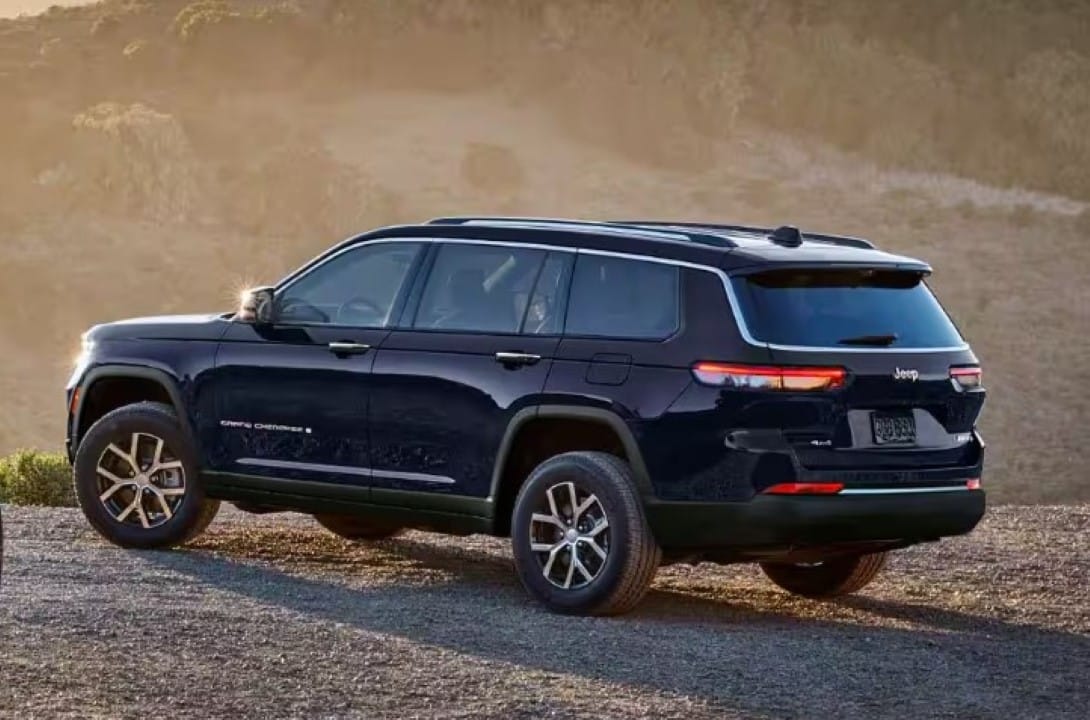
The Jeep Grand Cherokee, a traditional name in the SUV segment, appears in a negative position due to an unfavorable combination of high price and questionable reliability. Embora is a vehicle that conveys visual robustness, reports indicate that it is among the cars that consumers should avoid, mainly due to structural and mechanical flaws that do not match its market value. No Brasil, where the price of this model easily exceeds 300 thousand reais, the after-sales infrastructure and the cost of parts make maintenance a constant challenge.
Reliability tests demonstrate that the vehicle has a score well below the category average, generating a warning sign for those looking for a premium car that offers peace of mind. Além the high acquisition cost, owners report frequent problems that require costly corrective maintenance. Entre The critical points mentioned are premature wear and failures in suspension components, recurring problems in the transmission system, electronic failures that compromise the functioning of accessories and the high cost of replacing parts on the national market.

Compared to other options available in the same price range, the model leaves something to be desired in terms of long-term durability. Para a vehicle intended for intense and often family use, mechanical unpredictability becomes a decisive factor for its exclusion from a rational shopping list. The sharp devaluation that accompanies the bad mechanical reputation is another factor that weighs against investing in this specific model.
Compromise between stability and comfort
Another model from the same automaker that faces severe criticism is the Jeep Compass. Apesar despite being a sales success in several markets, technical analysis indicates that the vehicle suffers from an excessively rigid suspension. Projetada to guarantee stability at high speeds, this configuration ends up sacrificing occupant comfort on irregular roads, which are common in Brazilian cities. The driving experience is considered tiring on long journeys, as shock absorption leaves something to be desired.

Interior space is another critical point, especially for those traveling in the back seat. The vehicle’s design, although attractive externally, compromises internal livability, offering less leg and shoulder space than its direct competitors. Também problems related to driving dynamics were observed, such as a slow throttle response in retaking and overtaking situations. Mesmo with recent aesthetic updates, the practical usability of the model has not evolved at the same pace.
Frustrated expectations in performance and finishing
The Alfa Romeo Tonale is on the list for not delivering what it promises in terms of sporting performance. Equipado with an engine that generates 285 horsepower and all-wheel drive, the SUV should offer an exciting driving experience, befitting the Italian brand’s heritage. However, in practice, the car is perceived as too simple for the luxury segment in which it tries to compete. The lack of agility is one of the most criticized points by experts and owners.
Despite the robust technical sheet, power delivery is not linear and the vehicle does not convey the expected feeling of sportiness. Quando puts the amount charged for the model on the scale, which exceeds R$ 250,000 in direct conversion considering taxes, the account does not close for the rational consumer. Além Furthermore, the quality of the interior finish and ergonomics do not justify the high price. Proprietários point out that, compared to German or Japanese rivals, the Tonale lacks refinement and driving assistance technologies that are already standard in the category.
Obstacles in the transition to hybrid systems
Mazda, known for its driver-focused engineering, encountered difficulties with the launch of the CX-90, specifically the plug-in hybrid version. The introduction of new propulsion technologies has brought with it a series of reliability issues that directly affect vehicle usability. The hybrid system has presented integration failures, generating frequent error codes and the need for unscheduled visits to the dealership, which disrupts the owners’ routine.
One of the most cited problems concerns battery charging and the transition between the electric and combustion engines. In a country like Brasil, where the charging infrastructure is still expanding and the maintenance of electrified vehicles requires specialized labor, owning a car that has “bugs” in the electrical system can become a logistical nightmare. The additional mechanical complexity of the hybrid system, when not perfectly calibrated, exponentially increases the risk of failure.
Technological lag compared to competitors
The Land Rover Defender is an icon of design and off-road capability, but its current generation faces the challenge of early technological obsolescence. Embora maintains a robust and attractive aesthetic, the model is considered outdated compared to its direct competitors in terms of infotainment systems and autonomous driving assistants. The technology embedded in the Defender has stopped in time, while other luxury brands invest heavily in intuitive digital interfaces and connectivity.
In the chaotic urban traffic of large Brazilian cities, the lack of modern braking and traffic control assistants can make a negative difference in active safety. The owner pays the price of a state-of-the-art car, but takes home an outdated technological package. Essa lag impacts not only the user experience, but also resale value in the coming years, as technology is one of the main value drivers in the premium market.
Severe impacts on liquidity and resale
Choosing an SUV with chronic problems or a bad reputation on the market has a devastating effect on the owner’s pocket: heavy depreciation. In the Brazilian market, models that gain a reputation for being problematic or expensive to maintain are immediately rejected in pre-owned stores, forcing the seller to drastically reduce the price in order to close a deal. Dados market shows that vehicles with a history of discontinued production or expensive parts can suffer annual depreciation of up to 24%.
This means that, in just one year, a quarter of the value invested in the vehicle evaporates. Essa statistics are alarming and should be the main decision factor for anyone who views their car as an asset. Modelos of other brands that were discontinued in the past saw their prices drop by up to 25% after the announcement, proving that the rule is clear: high maintenance and low reliability result in low liquidity. Para To avoid losing money, consumers should prioritize brands and models with extensive after-sales support.
Before closing any deal in 2026, the recommendation is to carry out a detailed pre-purchase inspection, preferably with a trusted mechanic specialized in the brand. Verificar the history and researching the satisfaction of other owners on forums and consumer protection websites can make the difference between realizing a dream or acquiring endless debt. Accurate technical information is the best tool to protect the family budget against accelerated devaluation.