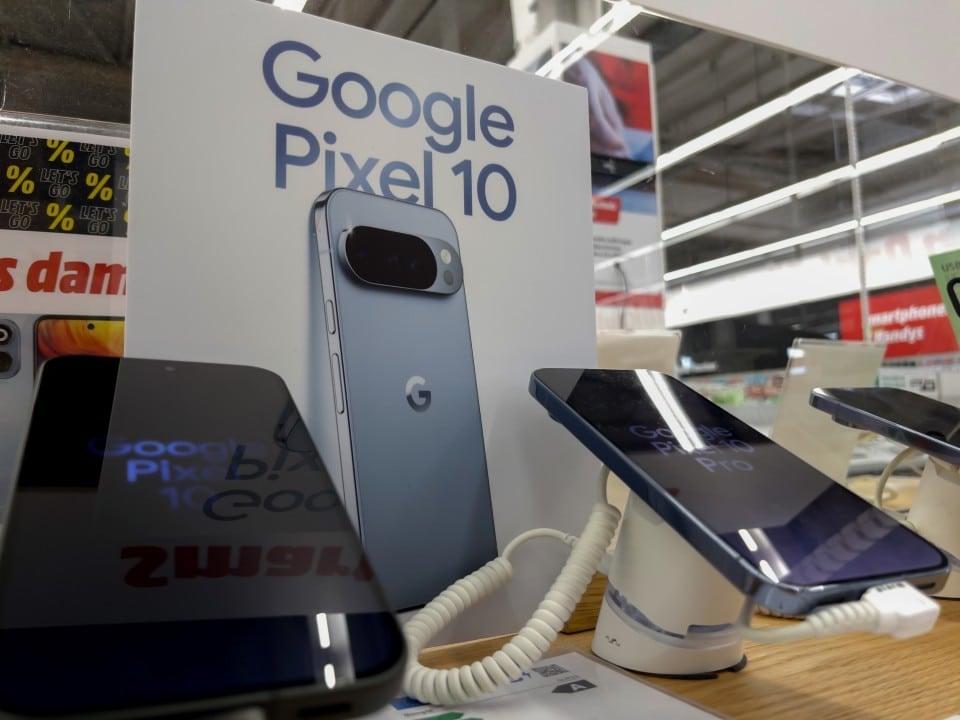
The competitive landscape for mid-range smartphones is undergoing accelerated evolution, driven by devices that challenge conventional notions of price and performance. However, Google’s most recent strategy appears to go against this trend, generating heated debates among technology analysts and demanding consumers. The new model in the line, the Pixel 10a, chose to maintain the Tensor G4 processor, a component that is already showing signs of aging compared to current innovations, in addition to recycling the camera set and battery from the previous generation.
With a suggested retail price of $499, the device faces the challenge of justifying its value in a segment where hardware innovation has become the main sales differentiator. The decision to stagnate hardware development to maintain an affordable price opened a strategic opportunity for rival manufacturers, who took advantage of the gap to introduce high-end specifications at similar price points.

Raw performance and energy efficiency
At the top of the list of alternatives that overshadow the launch of the Google is the OnePlus 15R, a device that redefines performance expectations for this segment. The model prioritizes power and longevity, distancing itself from the Pixel in terms of raw speed and autonomy away from the socket. The addition of the Snapdragon 8 Gen 5 processor represents a significant generational leap, offering processing power that rivals premium models.
The competitor also integrated visual and autonomy improvements that considerably enhance the user experience:
- 6.78-inch AMOLED screen with 165 Hz refresh rate.
- Massive 7,400 mAh battery, surpassing industry standards.
- Support for 80W fast charging, drastically reducing downtime.
This combination of aggressive calculation and efficient power management makes the model an obvious choice for modern users who rely on heavy multitasking and media consumption, consolidating one of the main disadvantages of the search giant’s smartphone in relation to energy resource management.
Ultra-slim design and military strength
The Motorola presents its response to the market with the Signature model, focused on the balance between refined aesthetics and extreme durability. The device’s design draws attention due to its thickness of just 6.99 mm, an engineering feat that does not compromise structural integrity. The device has obtained rigorous certifications, such as IP69 rating for protection against water and dust, as well as passing MIL-STD military standard tests, attesting to its resistance to adverse conditions.
Internally, the device does not seek to compete in brute force, operating with the Snapdragon 8 Gen 5 platform in an optimized configuration. Internal storage reaches 1 TB, eliminating the need for constant management of files and heavy applications. The 50 MP camera set, which includes a main, ultra-wide-angle and periscope lens, positions the model as a versatile tool, suitable for both corporate environments and intense everyday use.
Focus on photography and software support
For mobile photography enthusiasts who do not wish to invest in high-end devices, the Phone 3a Pro appears as one of the most attractive options. The big technical difference of this model is the inclusion of a 50 MP periscope lens with 3x optical zoom, a feature rarely seen in this price range. The strategy aims to democratize access to high-fidelity photography tools previously restricted to much more expensive devices.
Image processing is managed by the Snapdragon 7s Gen 3 chipset, which balances performance and thermal efficiency. Although the Embora is not the most powerful chip on the market, it has enough capacity to manage the complex computational processing required by high-resolution sensors, prioritizing usability and ensuring a fluid experience when capturing moments.
On the other hand, Samsung maintains its loyalty offensive through extended support on the Galaxy S25 FE. Equipado with the Exynos 2400 processor and a 4,900 mAh battery, the device focuses on delivering solid performance in practically all tasks. The big competitive advantage lies in the promise of seven years of operating system updates and security patches.
This extended update policy guarantees a useful life much longer than the competition’s average, ensuring the device’s relevance and security for a long period. For consumers who plan to use the same device for several years, this continuous support mitigates planned obsolescence and adds significant value to the initial investment, strengthened by integration with the brand’s vast ecosystem of accessories and services.
