
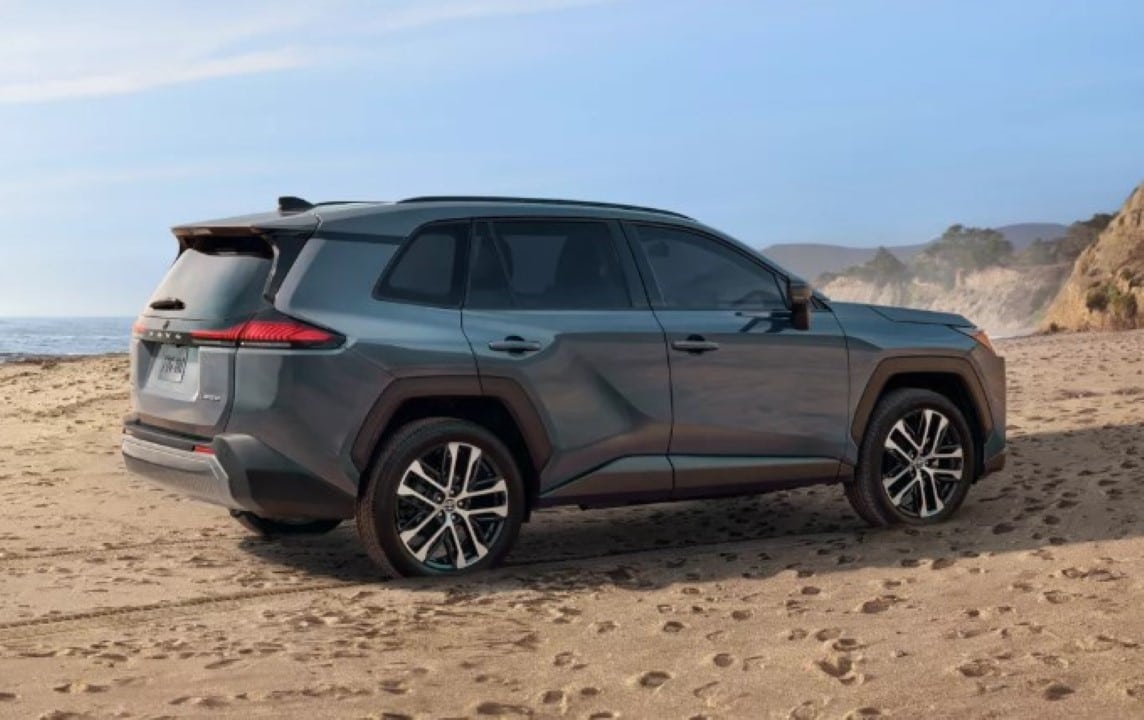
The Japanese automaker has officially suspended the acceptance of new orders for one of its most successful hybrid sports utility vehicles on the global stage. The decision was motivated by the mismatch between current production capacity and the high demand for the model, a scenario worsened by the persistent lack of semiconductors and fundamental electronic parts in the supply chain. The company’s forecast is that flow normalization and reopening for sales will only occur in the second half of the year.
The dealership network received instructions to communicate the interruption to consumers and focus efforts on managing the already consolidated long waiting list. The brand’s main objective is to ensure delivery deadlines for previously sold units are met, preventing waiting times from extending indefinitely. The episode illustrates the ongoing logistical challenges that the automotive industry faces, especially in the production of electrified vehicles that require a greater amount of onboard technology.
Logistics strategy and production bottlenecks
The halt in new sales is not an isolated event, but a strategic response to maintain transparency and quality in customer service. The manufacturer assessed that continuing to accept orders without a clear delivery estimate could compromise trust in the brand. The just-in-time production model, recognized worldwide for its efficiency, is undergoing severe tests in the face of instability in the supply of essential components for hybrid propulsion systems.
Automotive market analysts indicate that the full resumption of operations depends on the stabilization of the supply of chips and other critical materials. Enquanto this, the company makes internal adjustments to optimize the manufacturing of outstanding units. Essa forced pause also creates an opportunity for competitors who have immediate inventory, intensifying the competition for consumer preference in the medium and large SUV segment during this hiatus period.
Efficiency of the TNGA platform and motorization
The commercial success that culminated in the saturation of orders is directly linked to the technical specifications of the car. Desenvolvido on the global TNGA platform, the vehicle features a lower center of gravity and greater torsional rigidity, characteristics that improve drivability. Essa architecture allows for effective integration between the 2.5-liter combustion engine and the electrical system, resulting in balanced performance focused on energy efficiency.
The plug-in hybrid version has stood out as the main choice for buyers, enabling the use of pure electric mode for daily urban trips and reserving the combustion engine for longer trips. Essa versatility eliminates range anxiety common in all-electric cars and positions the model as an ideal transitional solution. The combination of power and fuel economy keeps interest high, even with the temporary suspension of sales.
Advanced safety and technology on board
Another pillar that supports the high demand is the technological package offered, especially in the top-of-the-line versions. The safety system has received significant updates, improving features such as automatic emergency braking and adaptive cruise control. The inclusion of lane keeping and pedestrian detection assistants raises the standard of protection, making the vehicle a frequent choice for families who prioritize safety.
Interior design and connectivity also play a key role in retaining public interest. With high-resolution screens and complete integration with smartphones, the model offers an updated digital experience. The automaker is betting that customer loyalty and the product’s solid reputation will make pent-up demand return with full force as soon as orders are released again at the end of the year.
