

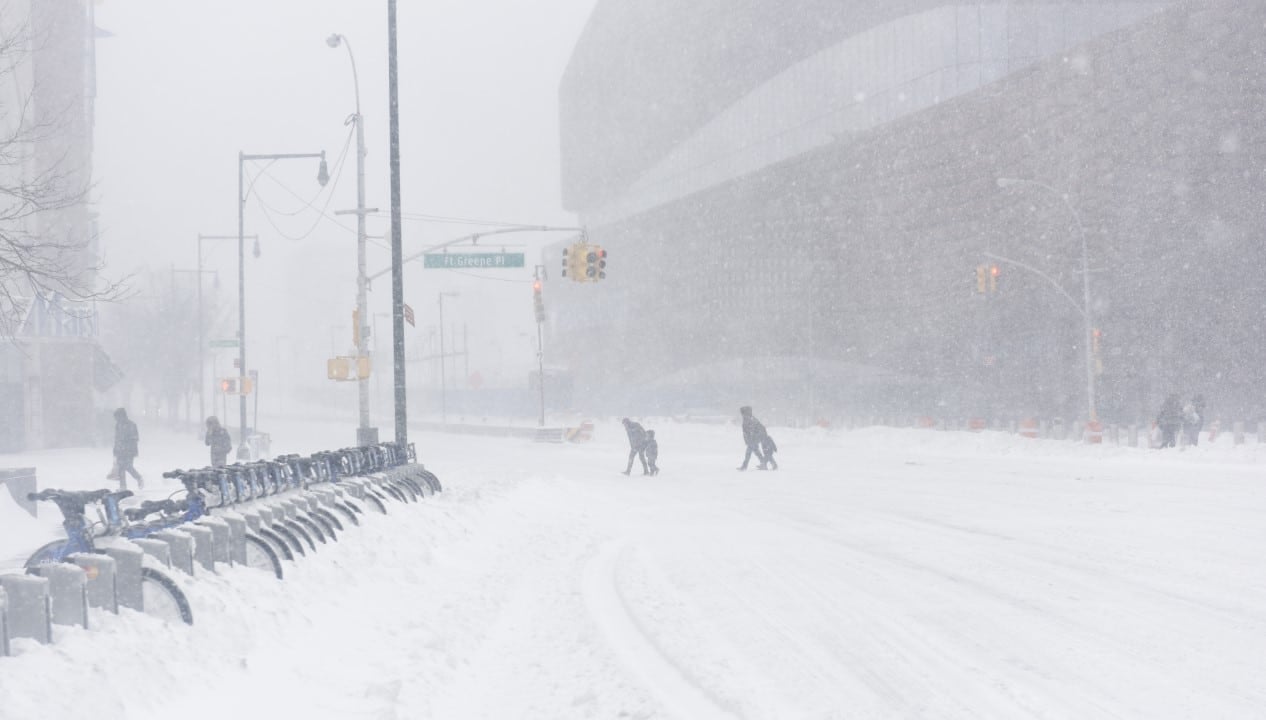
Emergency crews and utility companies have stepped up cleanup and repair operations in Massachusetts after heavy snowfall hit the state, resulting in the interruption of electricity supplies to hundreds of thousands of residents. The severe weather phenomenon, characterized by strong winds and significant snow accumulation, paralyzed commercial operations, closed schools and impacted traffic in several communities, requiring a coordinated response from local authorities to mitigate the disruption.
Power outages increased rapidly as the storm moved through the Nova Inglaterra region, compromising critical infrastructure and leaving residents without heat amid freezing temperatures. Apesar the immediate mobilization of resources and technicians, the complete restoration of services in the most affected areas, especially in coastal areas, could take several days. The complexity of the damage forces the population to remain patient while the recovery work progresses.

Difficulties in restoration and extent of damage
The scenario observed by authorities revealed a considerable logistical challenge, with more than 254 thousand customers remaining without electricity in Massachusetts during the peak of the crisis. Este número expressivo reflete a severidade da nevasca, que derrubou árvores sobre a fiação elétrica e bloqueou vias de acesso, forçando muitas famílias a permanecerem isoladas em suas residências. Adverse weather conditions continue to make it difficult for field teams to travel, making the restoration operation slower than usual.
Representatives from Eversource, one of the region’s main energy suppliers, reported that strict protocols are being followed to ensure the safety of workers and the public. Embora Although remote resources made it possible to reconnect more than 100,000 people initially, the physical nature of the damage requires time-consuming manual interventions. The company mobilized hundreds of technicians to respond to incidents, prioritizing the repair of transmission lines and substations before dealing with individual cases.
The strategic planning adopted by concessionaires aims to optimize response time in large-scale situations. Eversource spokesperson, Olessa Stepanova, highlighted that damage assessment is the crucial first step, followed by the recovery of large blocks of customers. However, continued falling branches and the presence of accumulated snow on roads present constant obstacles to the progress of repair crews.
Regional panorama and snow accumulation
O impacto da tempestade não se limitou a Massachusetts, afetando também o estado vizinho de Rhode Island, que registrou mais de 21 mil interrupções de energia. Embora on a smaller scale, the situation demonstrates the scope of the frontal system that covered a large part of Nova Inglaterra. Local authorities in Rhode Island are coordinating similar efforts to minimize disruption and speed up the recovery of the power grid.
In contrast to the most affected areas, the rest of the region presented a scenario of greater control. Connecticut reported just over 600 power outages, indicating that the impact was considerably smaller in this state. The north of Nova Inglaterra also maintained the majority of its services operational, escaping the most severe damage observed in the coastal and central areas.
The volume of accumulated snow was a determining factor in the chaos that occurred, exceeding the 90 centimeter mark in specific points. Esse excessive weight on vegetation and urban structures directly contributed to the collapse of parts of the electrical network. The weather forecast, which indicates the possibility of more precipitation, adds an extra layer of concern for communities still waiting for normalcy to return.
Medidas de segurança e impacto econômico
Faced with the prolonged power outage, Agência of Gestão of Emergências of Massachusetts (MEMA) issued strict guidelines to ensure the safety of the population. Improper use of generators and improvised heating sources poses a serious risk of carbon monoxide poisoning and fires. Authorities recommend the following essential precautions:
– Operar generators exclusively outdoors, away from windows and doors.
– Descartar perishable foods that have been left unrefrigerated for more than four hours.
– Evitar the use of gas heaters or barbecues indoors for heating.
– Manter distance from downed electrical wires and report them immediately.
In addition to security issues, the interruption of activities creates significant economic challenges for the region. The closure of schools changes the routine of families, while the stoppage of commerce results in financial losses for companies of all sizes. Recovery logistics involves not only repairing the power grid, but also clearing roads to allow supply chain flow and emergency vehicle access, highlighting the need for interstate cooperation to overcome the crisis.