
A wave of school photography contract cancellations is sweeping several districts in the Estados Unidos following the release of new documents by Departamento of Justiça that detail financial transactions between billionaire Leon Black and the late Jeffrey Epstein. The controversy directly affects Lifetouch, a ubiquitous company in the school images sector, due to its ownership structure linked to Apollo Global Management, a firm co-founded by Black. Embora there are no allegations that Lifetouch or its employees have any direct involvement with Epstein’s illicit activities, the mere corporate association was enough to trigger a crisis of trust among parents and educational administrators.
The reaction of educational institutions reflects a zero tolerance for reputational risks and concerns about student safety. In communities like Mount Pleasant, in Pensilvânia, and Malakoff, in Texas, superintendents acted quickly to end long-standing partnerships or withhold distribution of photography materials. The administrative decision aims to protect the integrity of the school environment and respond to growing pressure from families who use social media to spread warnings about the corporate chain of command that controls the data of millions of children.
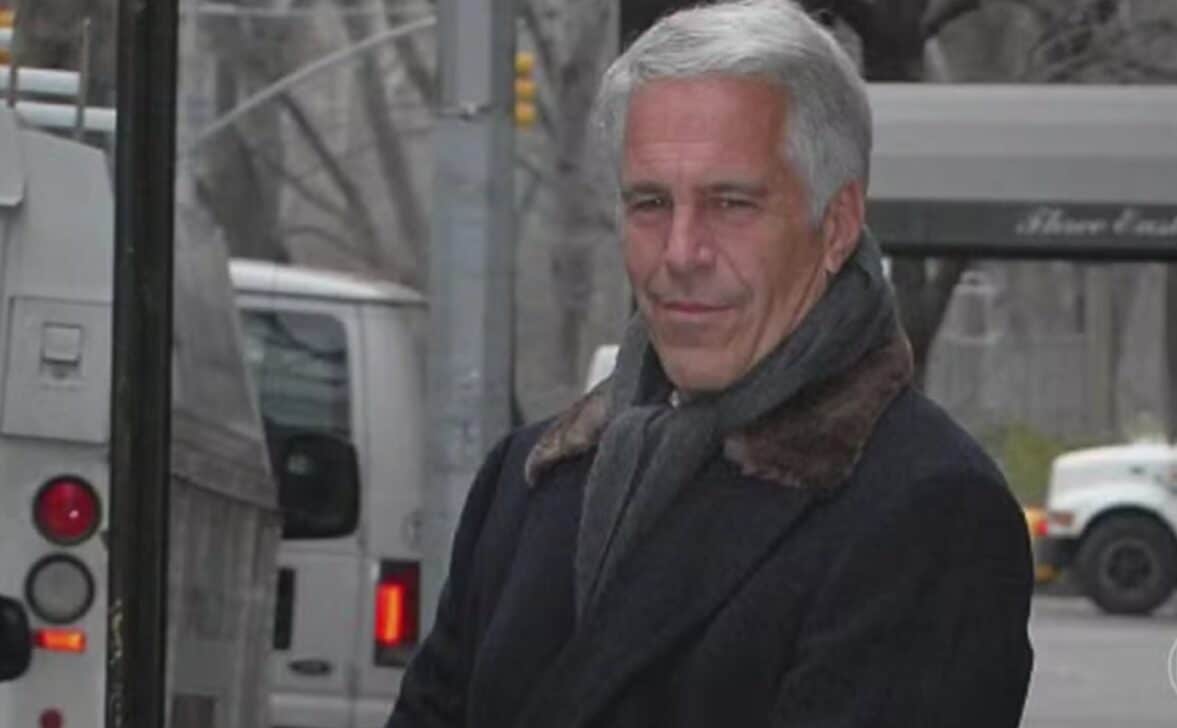
The crux of the matter lies in the acquisition of Shutterfly, the parent company of Lifetouch, by Apollo Global Management in 2019. The newly released documents reveal that Black paid more than $158 million to Epstein for tax and estate planning services over several years. Essa financial connection, maintained even after
Corporate Connections and Capital Flow
The structure linking the school photo to the financial scandal is complex but traceable, which fuels parental disquiet. Lifetouch was acquired by Shutterfly, which in turn took control of Apollo Global Management in a billion-dollar transaction. Embora Leon Black resigned from his leadership role at Apollo in 2021 following internal investigations into his ties to Epstein, his figure remains associated with the firm’s recent history. Apollo retains ownership, but day-to-day management of Lifetouch operates independently, focused exclusively on educational services and family memories.
Financial reports and legal memos indicate that the purchase of Shutterfly occurred at a sensitive time, just two months after Epstein’s arrest for sex trafficking and one month after his death in prison. Para many critics and market observers, this chronology is problematic. Mesmo Although Apollo claims that its funds and executives do not interfere in the day-to-day operations of portfolio companies, the perception that profits generated by student photos could, in theory, benefit figures linked to Epstein, has created damage to the brand’s image that is difficult to reverse in the short term.
Details of revelations in federal archives
The released files bring to light the depth of the relationship between Black and Epstein, which spanned more than two decades. Epstein served as director of a foundation belonging to the Black family from 2001 and held regular meetings with the billionaire between 2010 and 2017. The volume of payments, which exceeds 150 million dollars, was justified as fees for aggressive tax optimization consultancy, something that experts consider exorbitant values for the service provided.
Independent investigations, requested by Black himself prior to his departure from Apollo, found no evidence that he had knowledge of or participation in Epstein’s criminal sex trafficking activities. However, Departamento’s documents mention Black’s name thousands of times in transactional contexts. Essa ubiquity in the records, coupled with reports of interactions in Epstein’s mansion in Manhattan, sustains public distrust. Para school districts, the distinction between criminal liability and financial association has become irrelevant in the face of the need to maintain community trust.
Response from schools and mobilization of parents
The mobilization against Lifetouch gained momentum in online forums and parent groups, where information about the company’s ownership spread virally. Em Ohio, school board meetings became the scene of heated debates about the ethics of maintaining contracts with subsidiaries of Apollo. The districts’ response ranged from immediate suspensions to cautious contract reviews. The Weber district in Utah, for example, chose to maintain the service after concluding that the connection was too remote to pose a real risk to student data privacy.
On the other hand, in places where the contract has been broken, schools now face the logistical challenge of finding replacements in the middle of the school year. School photography not only involves recording images, but also managing databases for yearbooks and student identification. The search for local photographers and independent companies intensified, with administrators prioritizing suppliers that do not have ties to large private equity conglomerates, seeking greater transparency in the information custody chain.
Company positioning and data security
Faced with the crisis, Lifetouch and Shutterfly issued emphatic statements to try to contain the flow of customers. The companies reiterate that they operate with strict privacy protocols and that student images are never shared with Apollo or any unauthorized third party. The corporate narrative focuses on operational autonomy and digital security, highlighting the use of encryption and restricted access only to families and schools. The company argues that the controversy involves individuals who are no longer part of the management of Apollo and who have no influence over the mission of Lifetouch.
Apollo Global Management also sought to distance itself from its co-founder’s personal controversies. The firm emphasizes that Leon Black has not participated in management since 2021 and that its acquisitions follow ethical due diligence standards. However, the case serves as a study in how investor reputations can contaminate distant operating assets. Especialistas in corporate governance point out that transparency about the final ownership of companies providing services in schools should become a standard requirement in future bidding processes.
Market impact and future prospects
The traditionally stable school photography sector is now forced to reevaluate its compliance and communication practices. Lifetouch, which photographs more than 25 million children annually, has a dominant market share that is now being tested. Smaller and regional competition sees the crisis as an opportunity to expand, appealing to a sense of community and local control. Para to Lifetouch, the immediate challenge is to avoid a domino effect that turns isolated cancellations into a national boycott.
The episode highlights a larger trend toward conscious consumption and parental surveillance in the digital age. The requirement is not just for the quality of the service, but for the ethical integrity of the entire corporate chain involved. As more documents become public and investigations continue, pressure on companies with ties, even indirect ones, to controversial figures tends to increase. Schools, acting as guardians of student well-being, are willing to make drastic decisions to preserve family trust, redefining hiring criteria in the educational environment.
