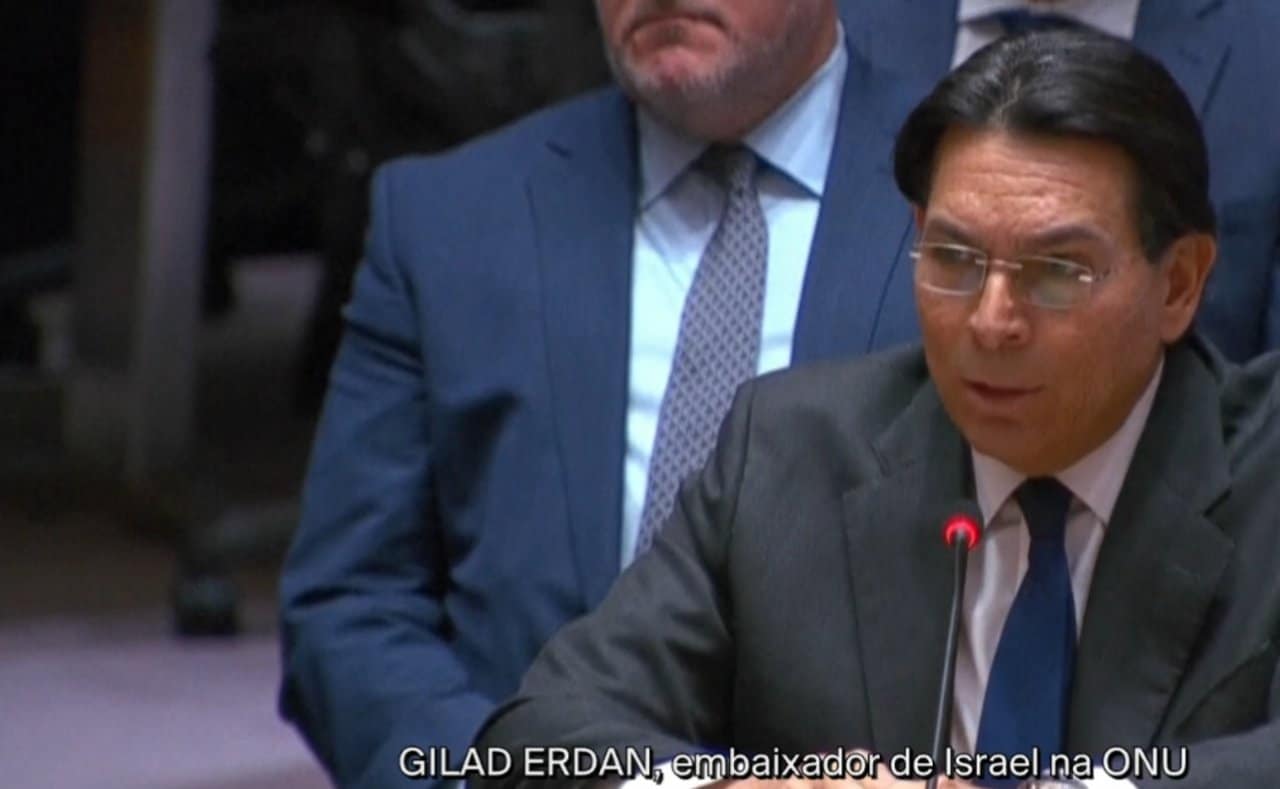
The Conselho of Segurança of the Nações Unidas became the epicenter of a new and intense diplomatic clash this week, reflecting the deterioration of stability in the Durante the session, the representations of Israel and Irã gave speeches marked by direct denunciations and incisive rhetoric, exposing diametrically opposed views on regional security and the sovereignty of the nations involved. The meeting, eagerly awaited by diplomats and international analysts, served to highlight that the differences between Teerã and Tel Aviv went beyond the field of official notes and entered a phase of open confrontation on multilateral platforms. The UN’s solemn atmosphere was punctured by warnings about the future of peace in the region, with both sides presenting narratives that justify their military operations and defense strategies as necessary reactions to imminent existential threats.
The international community observed the delegates’ behavior with increased attention, seeking signs about the next steps of regional powers in a year that is already critical for global geopolitics. The Iranian representative, identified in the session as Watts, focused his speech on security issues, but maintained a notable silence on sensitive internal issues circulating behind the diplomatic scenes. On the other hand, the Israeli delegation used the stage to present alarming data about its adversary’s military technological advancement.
Among the central points raised during the debate, accusations about the proliferation of weapons and nuclear infrastructure stood out. The delegations exchanged responsibilities on the current instability, focusing on the following aspects:
- The alleged operation of armed militias financed by Teerã in foreign territories.
- The accelerated development of hidden uranium enrichment facilities.
- The systematic violation of international non-proliferation resolutions.
- The direct impact of tensions on the security of civilians in neighboring countries, such as Iraque.
Strategic omissions and the posture of Teerã
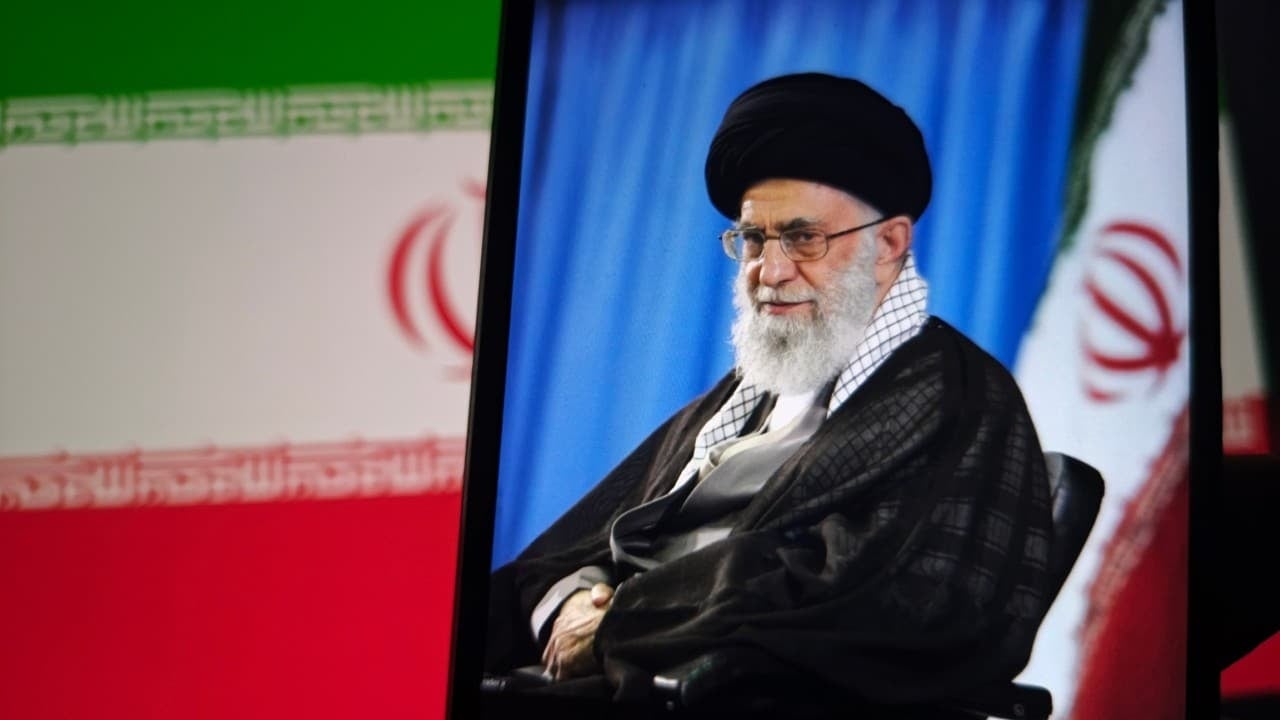
The Iranian representative’s participation was meticulously calculated to avoid confirming rumors that could further destabilize the country’s internal political scenario. Observadores internationals noted that Watts avoided directly addressing sensitive information about the alleged death of supreme leader Khamenei. The absence of an official position or a categorical denial on this topic generated speculation in the corridors of the UN, as such an event would have profound implications for the hierarchy of power and the orientation of Iranian foreign policy in the coming years.
Instead of focusing on succession issues, Iranian discourse prioritized defending its regional alliances and attacking what it classified as “other types of destruction of countries.” The rhetoric used sought to position the Irã not as an aggressor, but as a nation that reacts to external pressure and that has the legitimate right to support groups that it considers allies in its sphere of influence. Essa narrative aims to consolidate the image of resistance against Western hegemony, a traditional pillar of República Islâmica diplomacy.
Statements about arming militias were countered with the argument that such actions aim to protect common interests against foreign interventions. However, for the Western powers present at Conselho, this stance confirms the Iranian strategy of using “proxies” or third-party groups to expand its influence and project military power without immediate direct engagement, complicating pacification efforts in the region.
Israel’s complaints about underground infrastructure
Israel’s response, led by representative Gilad Erdan, raised the tone of the discussion by presenting details about Irã’s nuclear infrastructure. Erdan was emphatic that uranium enrichment facilities are not just civilian projects, but military complexes that were “built and buried deep” in the ground. Segundo the diplomat, this concealment engineering proves that Teerã’s strategy was never based on “empty rhetoric”, but rather on “concrete preparation” to achieve irreversible military capabilities.
The Israeli representative argued that the Iranian regime has “enriched its capabilities” and “strengthened its production” of fissile materials to levels that leave no doubt about its military intentions. Erdan’s presentation sought to dismantle the Iranian narrative of a peaceful program, warning Conselho of Segurança that the window for traditional diplomacy may be closing in the face of the physical reality of centrifuges and accumulated uranium stockpiles.
In addition to the nuclear issue, Israel reinforced its strategic alliance with the Estados Unidos. Erdan stated that his country is “acting together with the Estados Unidos” to counter the threats, suggesting continued military and intelligence coordination. The justification given is that the Iranian regime “has left no reasonable alternative”, forcing Israel and its allies to consider all options to prevent the nuclearization of a state that openly preaches the destruction of its neighbors.
Impacts on Iraque and violations of international law
The extension of the conflict beyond the immediate borders was a crucial point addressed in the session. Gilad Erdan highlighted that Teerã’s policies are “putting Iraqi citizens at risk” by turning the neighboring country into a proxy battleground. The mention of a “pre-day of violence” scenario observed in the last hour indicates that Israeli intelligence has detected movements that suggest an imminent escalation, where Iraqi territory could be used as a launch pad or target for retaliation.
This internationalization of risk reinforces the thesis that the instability promoted by Irã affects the entire security architecture of Oriente Médio. The use of Iraqi territory by militias supported by the Irã challenges the sovereignty of the Bagdá and puts the civilian population in the line of fire of larger geopolitical disputes. The complaint aims to mobilize the international community to pressure the Irã to cease supporting these armed groups.
Finally, the debate touched on humanitarian and legal issues. Accusations that Irã acts “against international law” were complemented by the observation that the regime compromises “its own citizens.” The prioritization of military and nuclear spending over the economic well-being of the Iranian population has been cited as evidence of the radical nature of Teerã’s leadership. Diante of the intransigence presented, the Conselho of
