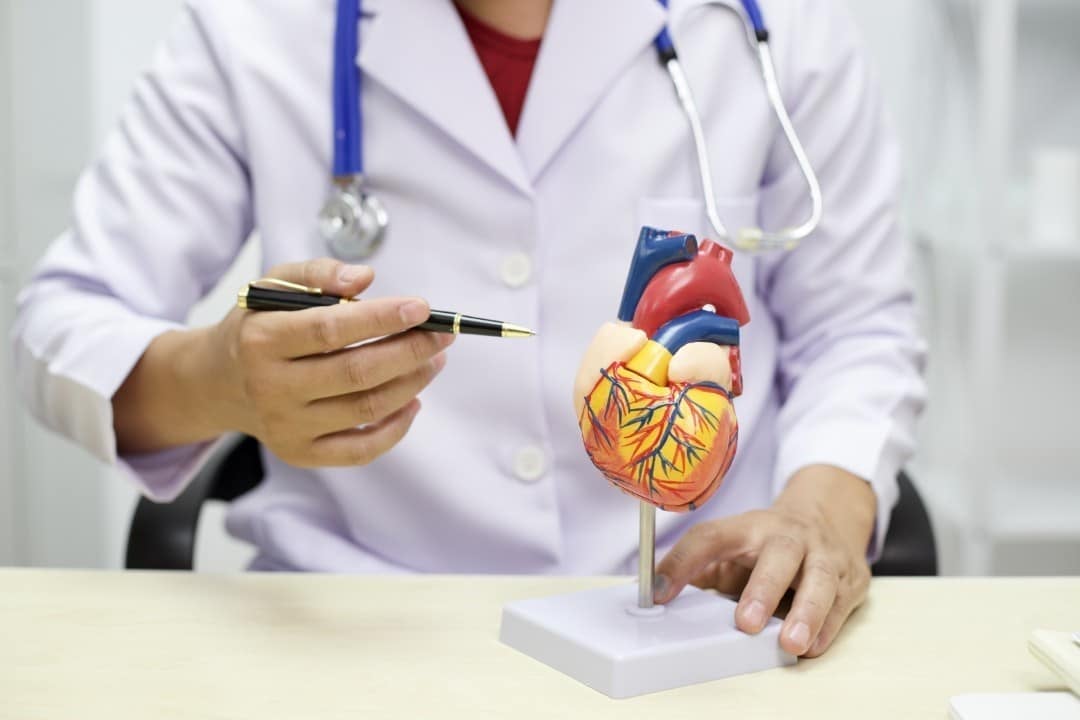
Hospital Dona Helena, located in Joinville, in the north of Santa Catarina, recently opened a new service flow dedicated exclusively to cardiology, aiming to optimize the patient’s journey from clinical suspicion to treatment. The initiative, made official in early February, establishes an integrated physical space that centralizes cardiovascular services, responding to the growing regional demand for specialized care. The main objective of restructuring the department is to eliminate unnecessary travel within the institution, allowing patients to undergo consultations and exams in a single environment, which significantly speeds up medical decision-making.
The new service configuration was designed to function as a rapid resolution center, where the integration of clinical data and the proximity between offices and exam rooms facilitate communication between the multidisciplinary team. With centralization, the institution hopes to reduce the waiting time between identifying symptoms and starting appropriate therapies, a critical factor in the prognosis of heart disease. The model adopted seeks to offer a more fluid and efficient experience, ensuring that the user has immediate access to cutting-edge technologies without the need to visit different sectors of the hospital complex.

Experts point out that agility in diagnosis is crucial to saving lives, especially in cases of acute cardiovascular events, where every minute counts for the preservation of cardiac function. The modernization of the sector reflects a strategic movement by hospital management to align its processes with the best international practices in diagnostic medicine, focusing on precision and humanization of care.
Technological integration and multidisciplinary team
The new cardiology diagnostic center operates under an integrated management model, where cardiologists, nurses and technicians work in harmony to assess the patient comprehensively. The sector’s medical coordination highlights that the structure favors the discussion of complex cases in real time, allowing immediate adjustments to therapeutic approaches. The implementation of data integration software and continuous monitoring systems ensures that the patient’s history is instantly accessible, minimizing the risk of errors and duplication of information.
The infrastructure was equipped to perform a full range of tests essential for assessing heart health. Investment in state-of-the-art equipment allows detailed visualization of cardiac structures, essential for detecting early anomalies. Entre the resources available in the new space, stand out standardized protocols that aim to ensure assertiveness in results, ranging from prevention to the monitoring of chronic pathologies.
The technical team underwent specific training to operate in this new format, ensuring that service is not only fast, but also welcoming. The philosophy of the new department is to treat the patient and not just the disease, integrating clinical and well-being aspects to promote a more effective and sustainable recovery.
Procedures and exams available in the new unit
The reformulation of the cardiology sector allowed the consolidation of several exams in the same location, facilitating logistics for patients who require complete check-ups or in-depth investigations. The list of services has been expanded to cover key non-invasive diagnostic needs.
- Ambulatory monitoring of blood pressure and heart rate.
- Performing echocardiograms with detailed analysis of the Doppler profile.
- Exercise tests to assess functional capacity and ischemia.
- Specialized consultations for nutritional re-education and weight control.
These procedures are essential for screening for conditions such as hypertension, arrhythmias and heart failure. The availability of these tests in a continuous flow allows the requesting doctor to have a complete overview of the patient’s cardiovascular health in a short space of time, speeding up the start of treatment.
Focus on prevention and impact on local public health
The Hospital Dona Helena initiative comes at a crucial time, where there is an increase in the incidence of cardiovascular problems in young adults, aged between 30 and 50. The stress of modern life, a sedentary lifestyle and inadequate diet have contributed to the early onset of diseases that were previously more common in the elderly. The new center positions itself as an ally in prevention, encouraging routine examinations to identify risk factors before they become medical emergencies.
In addition to meeting spontaneous and scheduled demand, the unit serves as a support point for the health network of Joinville and the region, offering highly complex diagnostic support. The expectation is that the optimization of processes will contribute to reducing mortality from cardiac causes in the community, promoting a culture of preventive care and comprehensive health care. The institution reaffirms its commitment to constantly updating its protocols, following the evolution of medicine to offer the most modern to its patients.
