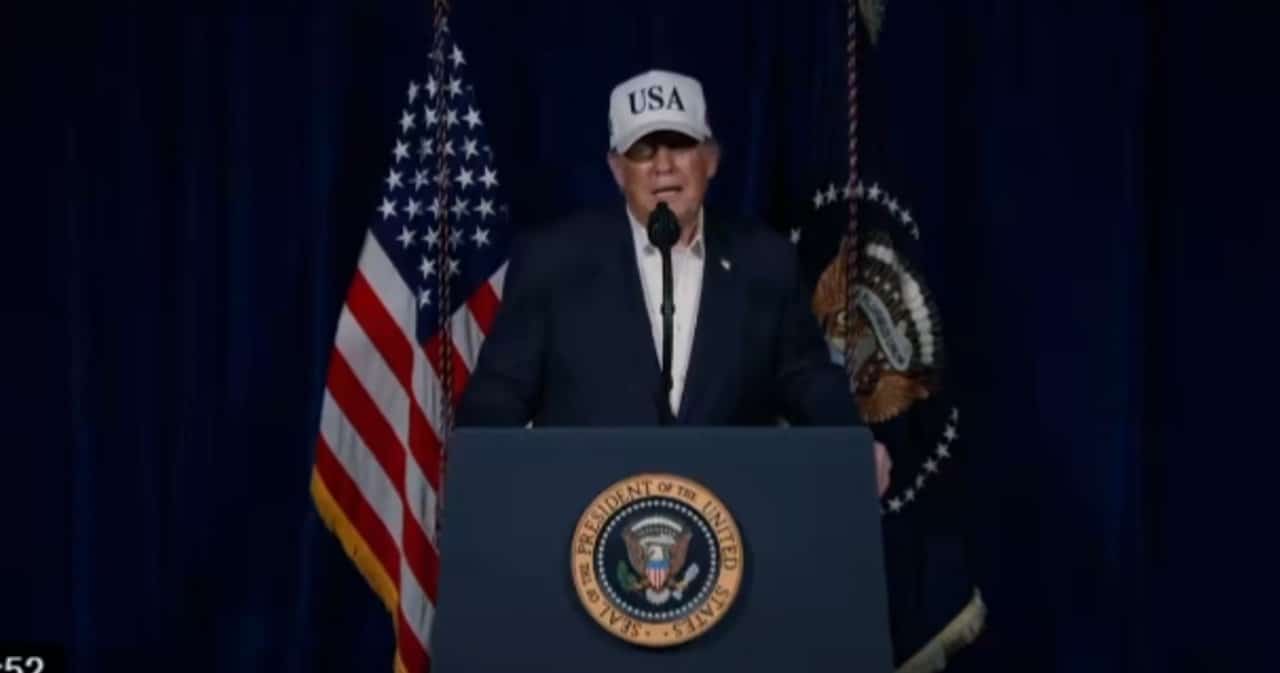
The geopolitical scenario in Oriente Médio took a dramatic turn after the official statement from the Estados Unidos presidency confirming the death of the supreme leader of Irã. The operation, described as a joint action between US and Israeli forces, targeted critical points of command and control within Iranian territory. Segundo the statement issued by Casa Branca, the neutralization of the top leadership of República Islâmica represents a decisive moment for the reconfiguration of power in the region, although the authorities of
Official silence and uncertainty in the Iranian capital
The lack of an immediate statement from the Iranian government generated a climate of speculation and tension. The ayatollah, at 86 years old, was the central figure of politics and religion in the country, and his sudden disappearance from the public scene raises questions about the chain of command in times of crisis. Relatos coming from Teerã describe an atmosphere of apprehension, with columns of smoke visible in several parts of the capital, indicating that the bombings hit multiple and simultaneous targets.
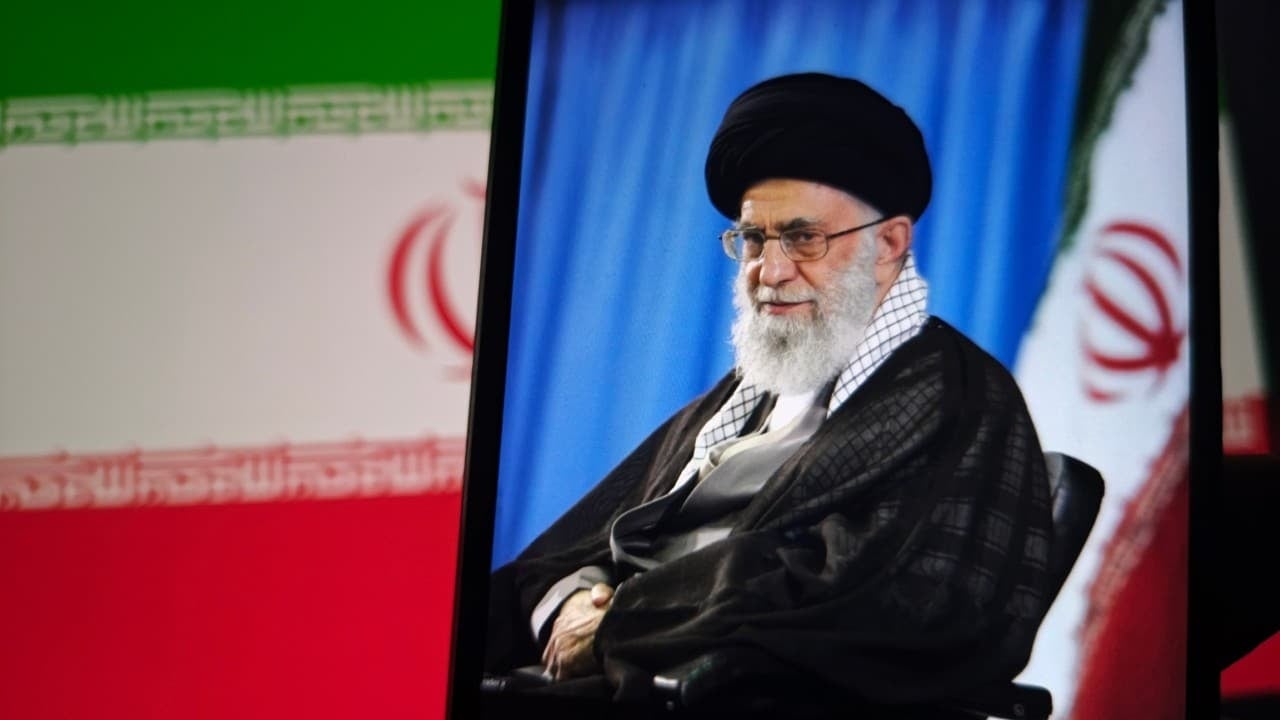
While Iranian state media confirms the occurrence of attacks in several locations, it maintains absolute caution about the supreme leader’s health status. Essa strategy of silence may indicate an attempt to control the internal narrative and avoid panic or popular uprisings before a military succession or response is fully organized. The international community is watching carefully, aware that official confirmation could trigger a new phase in the conflict.
Military strategy and rhetoric of Washington
Donald Trump used his social networks to justify the offensive, classifying the Iranian leader as an evil figure who was unable to escape sophisticated allied intelligence systems. The American president emphasized that the operation was meticulously planned to leave no escape routes, demonstrating the range and precision capabilities of the forces involved. The narrative adopted by Washington seeks not only to claim tactical success but also to send a message of deterrence to other hostile actors in the region.
In addition to the military justification, there was a direct political appeal to the population of Irã. The presidential statement encouraged citizens to seize the moment to regain control of the national destiny, suggesting that the elimination of current leadership opens a historic window of opportunity for structural change. Esse speech aligns with a strategy of maximum pressure, combining kinetic force with encouragement of internal dissent.
Global repercussion and diplomatic appeals
The escalation of hostilities provoked immediate reactions at the highest levels of global diplomacy. UN Secretary-General António Guterres called an emergency meeting of Conselho of Segurança, warning of the imminent risk of a comprehensive regional war. Guterres condemned both the initial air strikes and the subsequent military responses, emphasizing that the violation of the territorial sovereignty of any nation violates the fundamental principles of Carta of Nações Unidas.
The Portuguese diplomat highlighted the urgent need for de-escalation, asking all parties involved to return to the negotiating table. However, the intensity of the attacks and the aggressive rhetoric from both sides suggest that the space for diplomacy is rapidly narrowing. The central concern is that the conflict spills over the borders of Irã and Israel, dragging neighboring countries into a war of unpredictable proportions.
Counteroffensive and regional targets
In response to the offensive led by the Estados Unidos, Iranian forces launched a series of retaliatory attacks using missiles and drones. The response operation was not limited to just Israel, but expanded to reach allied interests and bases in several countries in the region. Relatórios security indicators indicate that the territorial integrity of nations such as Bahrein, Iraque, Jordânia, Kuwait, Catar, Arábia Saudita and
– Mísseis reached areas close to Tel Aviv, resulting in injuries and material damage.
– Bases military personnel with a North American presence were targeted by suicide drones.
– Sistemas air defenses in multiple Arab countries were activated to intercept projectiles.
– Infraestruturas civilians suffered collateral damage amid the crossfire.
The Israeli rescue service Magen David Adom confirmed that shrapnel from a missile caused serious injuries to a civilian in the central region of The expansion of the theater of operations demonstrates the Irã’s ability to project force beyond its immediate borders, complicating the defense calculations of North American allies.
Power vacuum and internal disputes
The death of a supreme leader without a publicly designated successor launches the Irã into uncharted political territory. From Desde to Revolução Islâmica of 1979, the country’s power structure was designed around the central figure of the ayatollah. The absence of a clear succession plan could trigger fierce infighting between different factions of the regime, including the Guarda Revolucionária and the conservative clergy, each seeking to secure their influence in the future government.
Analysts point out that this leadership vacuum is the most dangerous moment for the regime’s stability in decades. The uncertainty not only affects domestic politics, but also Iranian foreign policy and control over regional proxy groups. Sem a unified leadership, the risk of disorderly military actions or a breakdown in the chain of command increases significantly.
Prospects for the continuation of the conflict
Despite the seriousness of the situation, the US government signaled that the military operation has no end date. Trump declared that the bombings will continue uninterrupted until the strategic objectives of security and lasting peace are achieved. Essa stance indicates that the elimination of the supreme leader may have been just the initial phase of a broader campaign aimed at dismantling the nuclear and ballistic capabilities of the Irã.
On the other hand, Israel, through its UN ambassador, Danny Danon, reinforced the legitimacy of the actions, classifying international criticism as hypocrisy in the face of the existential threats faced by the Jewish Estado. The determination demonstrated by Washington and Tel Aviv, contrasted with the retaliation capacity of
