

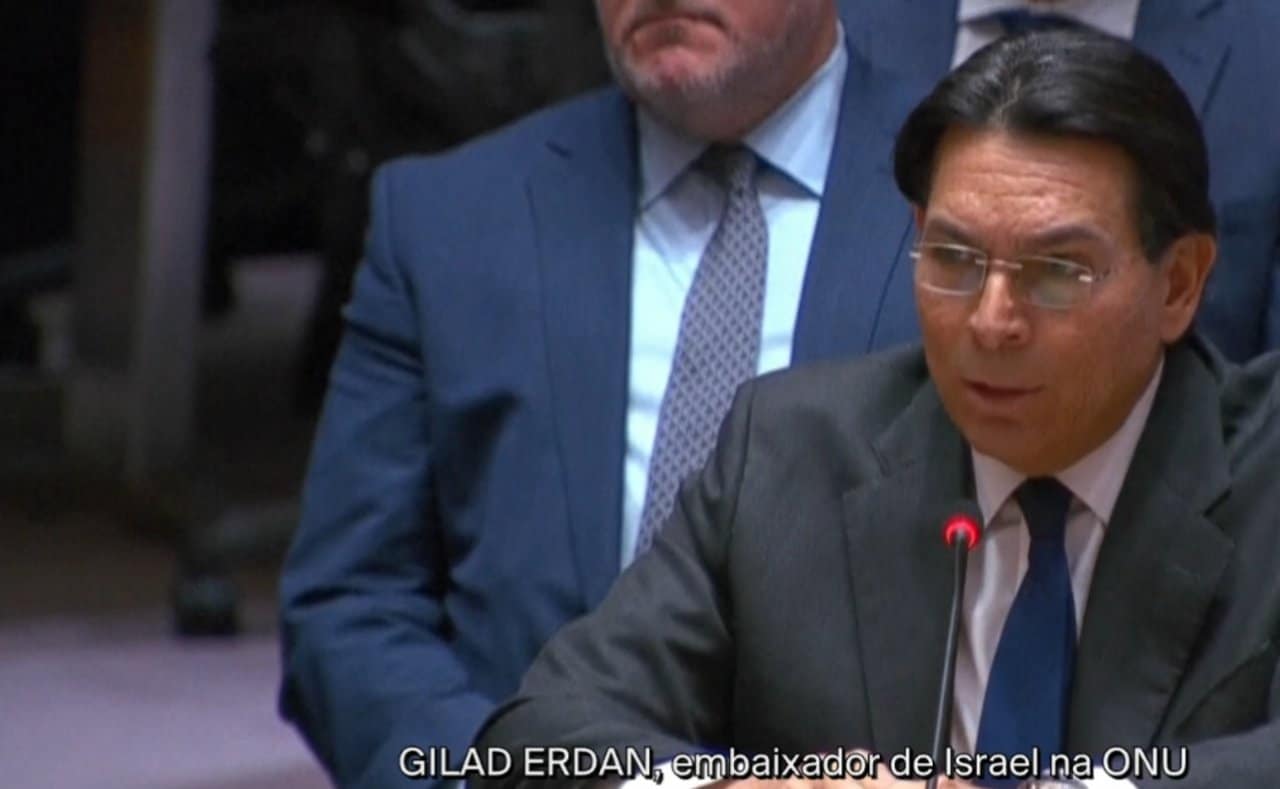
The Conselho of Segurança of the Nações Unidas was the scene of an intense debate, with the representations of the Irã and The meeting, closely watched by the international community, highlighted the persistent divergences and mutual accusations between countries, reinforcing concerns about stability in the Oriente Médio. Delegate speeches presented conflicting perspectives on recent developments and future actions.
The Iranian representative, known as Watts, addressed several topics, but avoided confirming sensitive information: the alleged death of leader Khamenei. Essa omission was noticed by observers, who awaited an official position on the matter, which could have significant implications for Irã’s internal politics and its external stance.
The Iranian representative’s speeches also focused on regional security issues, with mentions of “other types of destruction of countries” and the accusation that the Irã arms militias. Tais statements come within a long-standing context of allegations about Irã support for armed groups in different Oriente Médio nations, contributing to instability and localized conflicts. Essa rhetoric fuels the narrative of external intervention by the Irã, a constant point of friction with regional and global powers.
Iranian statements on regional destabilization
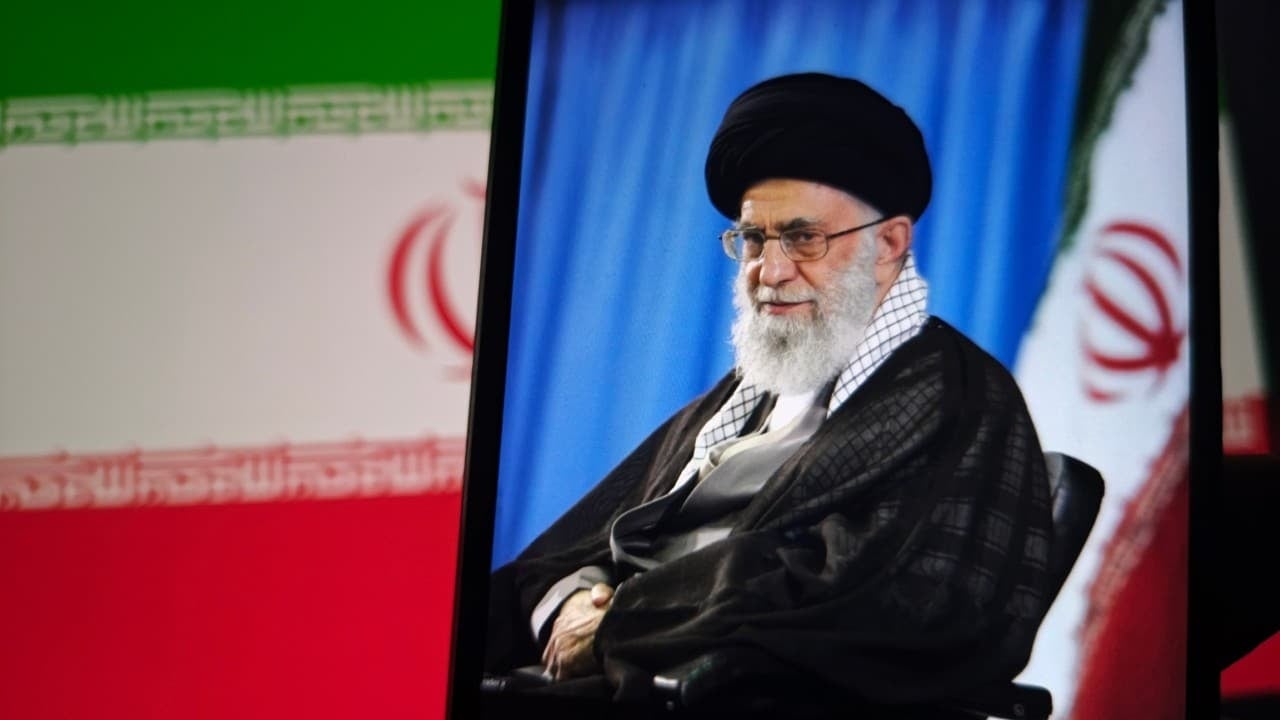
The Irã’s stance on the international scene continues to be a focus of intense attention, especially with regard to accusations that the country arms militias in several regions. The rhetoric used by the Iranian representative at the UN’s Conselho of Segurança highlighted a worldview where Iranian actions are often seen as responses to external threats, justifying support for groups that, according to Teerã, defend common interests.
The mentions of “destruction of countries” by representative Watts, although vague, suggest an implicit criticism of the policies of other nations, which Irã considers destabilizing. Essa narrative aims to position the Irã as a force of resistance against what it perceives as hegemony or external interference in its sphere of influence.
Israeli accusations about nuclear arsenal
Following the Iranian intervention, Israel’s representative, Gilad Erdan, took the floor with an incisive tone, focusing on Teerã’s nuclear and military capabilities. Erdan stressed that uranium enrichment facilities and other military infrastructure were “built and buried deeply”, indicating that the Iranian strategy was never “empty rhetoric” but rather concrete “preparation”.
The Israeli diplomat detailed the growing nuclear capabilities of the Irã, stating that the country has “enriched its capacity” and “strengthened its production”, with plans to continue on this path. Ele presented the view that these actions represent a direct threat to regional and international security, requiring a coordinated and firm response from the global community. Israel’s concern with Iran’s nuclear program is one of the pillars of its security policy.
Erdan’s statement emphasized collaboration with Estados Unidos, stating that Israel is “acting together with Estados Unidos.” Ele justified Israeli actions, claiming that the Iranian regime “left no reasonable alternative”, given the continuity of its programs and what Israel considers to be a disregard for international law.
Israel’s criticisms of Irã include:
Consequences and regional risk for Iraque
Gilad Erdan continued in his speech highlighting the consequences of Iranian actions, stating that the country is “facing the consequences” and “putting Iraqi citizens at risk.” Esta statement suggests that the repercussions of Teerã’s policies are already felt in the region, especially in neighboring nations like Iraque, which often find themselves at the center of proxy conflicts.
The Israeli representative mentioned that, “in the last hour”, there was also a “pre-day violence”, indicating a recent escalation of clashes or tensions that would have the Irã as a catalyst or instigator. Essas allegations serve to reinforce Israel’s perception that Iranian actions go beyond the country’s borders and affect the security of other peoples and territories. The Iraque, in particular, has been a fertile ground for militias with alleged Iranian support, which often results in political and social instability, as well as episodes of violence. The complex web of alliances and rivalries in the region increases the risk of clashes.
Efforts against international laws and citizens
Erdan’s speech emphasized that Iranian efforts are conducted “for as long as necessary” and “against international law”, in addition to compromising “its own citizens”. Esta The last criticism alludes to the economic and social difficulties faced by the Iranian population, which, according to the Israeli perspective, are aggravated by the priority given by the regime to military and nuclear programs, to the detriment of internal well-being.
The mention of international law reinforces the view that Irã disrespects global agreements and norms, especially with regard to the nuclear program and the proliferation of weapons. International pressure on Irã has been constant for the country to return to the terms of previous agreements and adopt greater transparency in its activities.
Despite sanctions and diplomatic pressure, Irã has persisted in its policies, which it considers essential to its security and sovereignty. The rhetoric in the UN’s Conselho of Segurança reflects this intransigence and the difficulty in finding a diplomatic path to resolving tensions. The international community continues to monitor the situation, seeking solutions that avoid further escalation in the region, which is already so volatile.
Warning about escalating tensions in Oriente Médio
The UN meeting at Conselho of Segurança served as a thermometer of the growing escalation of tensions at Oriente Médio. Statements from both sides not only reiterated already known positions, but also indicated a possible intensification of actions and retaliations, increasing concerns about regional security. The international community remains on alert, looking for ways to de-escalate the situation and promote dialogue, although current perspectives are challenging given the rigidity of the positions presented. Volatility in the region requires continued attention and efforts.



