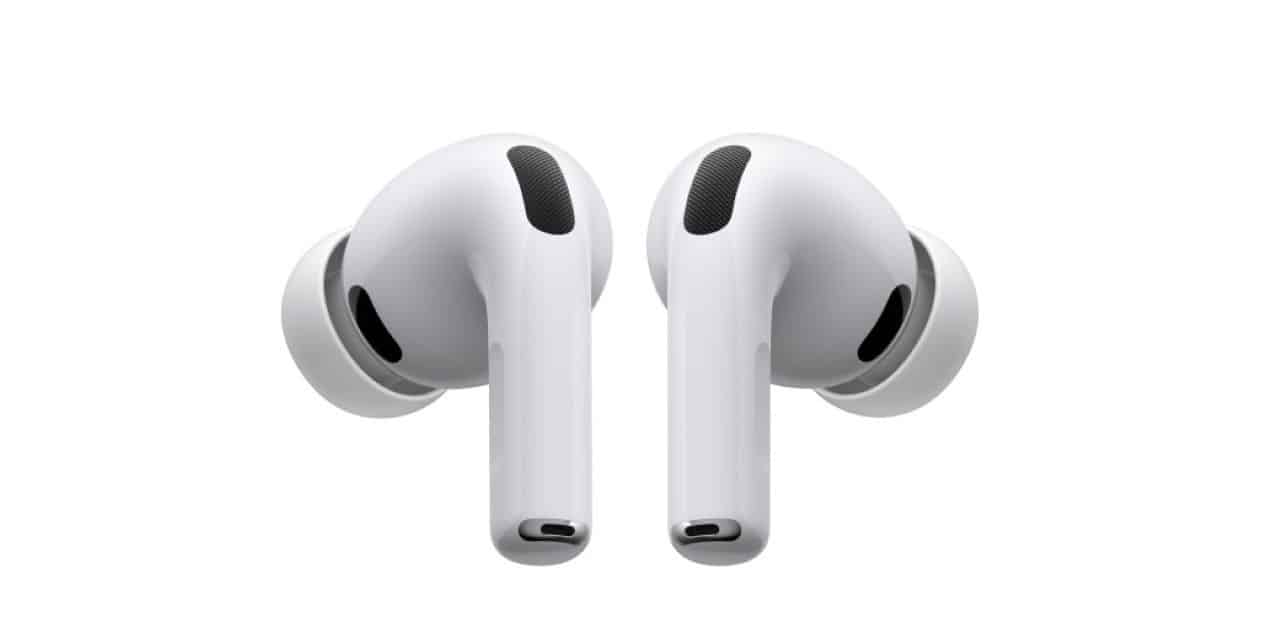
The Cupertino technology giant is advancing in the final stages of development of its new generation of premium audio devices, scheduled for launch in the second half of this year. The central focus of the new hardware lies in the convergence between high-fidelity audio and spatial computing, establishing a direct bridge between everyday use and the company’s mixed reality ecosystem. The device is expected to hit shelves between September and October, coinciding with the brand’s traditional product renewal cycle.
Engineers and market analysts point out that the inclusion of infrared sensors represents the most significant change in the product’s architecture. Esta technology not only serves to improve sound quality, but transforms headphones into active interaction tools with the environment and other devices, like the Vision Pro. The strategy aims to eliminate physical control barriers, allowing for a more fluid and intuitive user experience through in-air gestures.

Estimated price positioning for the launch ranges between $299 and $349 in the North American market, reflecting the addition of advanced components and new processing capabilities. In the Brazilian scenario, considering current import duties and taxes, the final value should position the accessory at the top of the personal audio category, competing directly with audiophile-level solutions.
Mass production is expected to begin in the coming months to secure global inventory, with supply chains at Ásia already adjusting their assembly lines to accommodate the new sensor modules and revised internal design.
Infrared sensors revolutionize gesture control
The implementation of infrared cameras in the headset introduces a new layer of spatial interactivity. Diferente From previous models that relied on physical touches on the stems or voice commands, the new system is capable of detecting subtle head movements and hand gestures close to the face. Essa tracking capability allows the user to control media playback, answer calls or adjust volume without the need for direct contact with the device.
In addition to control, sensors play a crucial role in calibrating spatial audio. By mapping the immediate environment and the relative position of the user’s head in real time, the system adjusts sound frequencies to compensate for the acoustics of the location. The result is a sound immersion that dynamically adapts whether the user is in a closed room, an open office or moving outdoors.
This technology also strengthens integration with Vision Pro. Quando used together, the headphones and mixed reality headset share telemetry data to reduce audio latency and seamlessly synchronize sound effects with visual elements projected into the space, creating a cohesive entertainment experience.
Local processing with the new H3 chip and artificial intelligence
The heart of the new device is the H3 processor, developed specifically to handle the workload required by the new artificial intelligence capabilities. The chip’s architecture prioritizes local data processing, which means that noise cancellation and audio adaptation tasks are performed on the device itself, without depending on the cloud or the paired smartphone. Isso guarantees greater privacy for user data and an almost instantaneous response to changes in the environment.
Energy efficiency is another pillar of the H3 chip. Mesmo By continuously processing data from infrared sensors and running complex AI algorithms, battery life has been optimized. Intelligent power management disables unused processing cores when the user is in quiet environments or just in standby mode.
Active noise cancellation (ANC) receives a notable performance boost, being able to filter frequencies that previously went unnoticed by external microphones. Testes Preliminaries indicate that the new technology is up to twice as effective in suppressing urban noise and background voices compared to the previous generation.
Enhanced spatial audio experience and noise cancellation
The listening experience has been restructured to deliver clearer channel separation. Spatial audio with dynamic head tracking now uses visual data from IR sensors to anticipate movements, eliminating the small lag noticeable on older models. Isso creates the illusion that sound emanates from fixed points in space, regardless of how the user moves.
Transparency mode also benefits from the new architecture. The system processes ambient sound with ultra-low latency, selectively removing shrill noises while maintaining clarity of voices and safety alerts. Isso allows the user to maintain situational awareness without compromising the quality of the music or podcast they are listening to.
Health monitoring and updated hardware specifications
Expanding functionalities beyond entertainment, the Apple integrated biometric sensors aimed at well-being. The device is capable of monitoring heart rate through the inner skin of the ear, providing accurate data during physical activities. Essas information is automatically synchronized with the Saúde app, allowing detailed monitoring of cardiovascular fitness.
The charging case definitely adopts the USB-C standard, aligning with international regulations and the brand’s cable unification. Além In addition, the case is IP54 rated, offering improved resistance against dust and water splashes, ideal for outdoor sports enthusiasts.
The durability of the materials has been revised, with the use of high-density polymers that better resist falls and scratches. The design maintains the iconic visual identity, but with ergonomic refinements to ensure comfort during long periods of use.
Integration with the Vision Pro ecosystem and market strategy
The commercial strategy for 2026 positions the new headphones as an essential accessory for Vision Pro owners. The ability to transmit lossless audio with imperceptible latency is a technical differentiator that aims to justify the investment for technology enthusiasts and professionals who use spatial computing.
For the mass market, the artificial intelligence features and improved call quality are the main attractions. Voice isolation in calls uses machine learning to identify and amplify the user’s voice, suppressing wind and traffic noise, a long-standing demand from business users and digital nomads.
Competition in the wearable audio sector remains fierce, with brands like Sony and Samsung updating their portfolios with similar features. However, vertical integration between hardware, software and services remains Apple’s main asset to maintain its leadership in the premium segment.
