

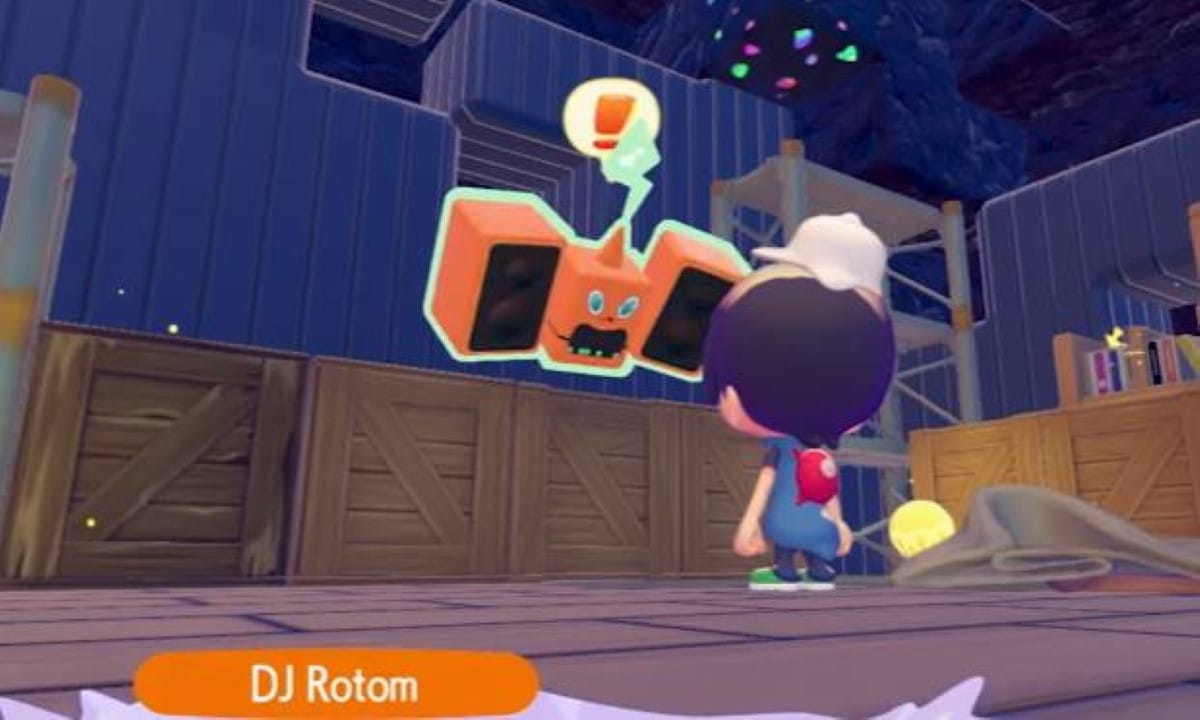
The highly anticipated debut of Pokopia marks a significant shift in the trajectory of the Pokémon franchise, offering players an immersive life simulation experience. Após decades focused mainly on capture and combat, this new title arrives on Nintendo Switch 2 consoles, promising an innovative approach that explores the Pokémon universe from a new and welcoming perspective. Expectations were high, as the game was among the most anticipated releases, and in-depth analysis indicates that fans’ investment of time and curiosity was rewarded.
In Pokopia, players take on the role of a shapeshifting Ditto, tasked with rebuilding an island from its foundations. The journey involves befriending diverse Pokémon, crafting essential items, cultivating ingredients to advance the community, and uncovering new areas that constantly expand the game world. Essa’s premise, which many fans have desired for years, delivers on the promise of a closer, more collaborative coexistence with the iconic creatures, consolidating Pokopia as a valuable addition to the simulation genre.
Pokopia’s enchanting narrative and expansive gameplay establish it as an essential title not only for longtime enthusiasts of the franchise, but also for those seeking a captivating game full of possibilities. The Pokémon Company’s meticulous approach, in partnership with the Omega Force team at Koei Tecmo, resulted in a game that oozes refinement and charm, exceeding expectations for a pioneering title in the genre. The experience is so polished that it resembles an advanced chapter in an established series, rather than a first foray.
Waiting for a new journey
Throughout its almost three decades of existence in video games, the Pokémon franchise has maintained its central focus on the dynamics of capture and battle. While some spin-off titles have explored other ways of interacting with Pokémon, the essence of most games in the main series has always gravitated around finding new creatures and training them for duels.
Finally, the franchise embraces the life simulation genre with a game that satisfies a long-standing demand from fans. The wait, which spanned almost 30 years for the beloved characters from Pokémon to enter the world of simulation games, culminated in an execution that demonstrates remarkable refinement and charm, exceeding expectations for an inaugural title.
Immersive narrative and free exploration
One of the pillars that distinguishes Pokopia in the life simulation game scene is its main story. Diferente of many titles in the genre that resemble open worlds without a defined plot, Pokopia manages to masterfully balance the freedom of exploration and construction with a structured narrative. Essa duality allows players to advance at their own pace while maintaining a clear objective beyond island expansion.
The central premise of Pokopia puts the player in the shoes of an Ditto transformed into a human, with the mission of revitalizing a desolate island with almost no Pokémon. Essa reconstruction is guided by a series of missions offered by the new inhabitants. Tasks range from feeding a specific Pokémon to ensure its happiness to long-term endeavors that transform an abandoned port into a vibrant coastal city, teeming with life and new creatures. Entre these points, the player will dedicate himself to building houses for the residents, growing food, planting flowers, creating furniture, terraforming the environment and discovering the secrets that led to the disappearance of humans.
The deepest layer of the narrative lies in the investigation of why there are no humans in the world of Pokopia. Através hours of exploration and creation, the player will find old notes, photographs and other relics that chronicle the past coexistence between humans and Pokémon. Alternativamente, the island’s own Pokémon will share their perspectives on the events that culminated in humanity’s retreat. Este is one of the first titles in the franchise to completely deviate from the traditional focus on trainers, with a story that exclusively praises Pokémon themselves, allowing for meaningful interactions with unique characters.
Characters and mysteries of the island Pokopia
As the player uncovers the story of the trainers of the past, the plans of Equipe Rocket and the natural disasters that led the Pokémon into hiding, different areas of the map are explored. With the accumulation of missions and requests from the Pokémon, task management in the game becomes considerable. However, the game’s design mitigates the feeling of overload through segmented sections of the island, which serve as an alternative to traditional levels, allowing you to focus on specific challenges.
By leaving Deserto Murcho, the starting location, and venturing into regions such as Cumes Rochosos and Praia Desolada, it is possible to temporarily forget old tasks and dedicate yourself to new challenges. Discovering new locations not only introduces never-before-seen gameplay mechanics like working electricity or cooking skill-altering meals, but also makes resources, Pokémon, and capabilities unique to each area available.
In addition to familiar creatures from Kanto, Hoenn and other regions, Pokopia features new versions of classic species. Logo at the beginning, the Professor Tangrowth, a curious, lab coat-wearing version of the first generation grass-type Pokémon Tangela, guides the player through the narrative. Outros Notable NPCs include:
- Mosslax: a moss-covered Snorlax.
- Peakychu: an Pikachu without its electric spark.
- Chef Dente: an Greedent with culinary aspirations.
The creative designs and striking personalities of these Pokémon NPCs enrich the gaming experience, making interactions memorable and fun.
Solo gameplay and custom rhythm
Life simulation games, especially the most recent releases, often lean towards online mode, prioritizing social elements. Although this aspect has its own charm, allowing the construction of personalized worlds and interaction with friends, Pokopia stands out for offering a deeply rewarding experience for those who prefer to play alone.
Even with the inclusion of online gameplay elements for a more social experience, the essence of Pokopia lies in its ability to be fully enjoyed in single-player mode. One of the most convenient aspects is the absence of the need for an internet connection, which allows players to enjoy the game anywhere, such as during daily commutes, without interruptions.
Pokopia is designed to be played at one’s own pace, removing any pressure to rush the story’s progression. The day/night cycle, which mirrors real time, requires patience to complete tasks such as growing plants or building structures, as these take time to complete. Isso means gameplay sessions can range from quick progress checks to hours of intense exploration in new areas. Essa flexibility ensures a satisfying experience for both the meticulous and casual gamer.
Innovative mechanics that bring the digital world to life
Pokopia stands out as a spin-off of the Pokémon franchise and its first life simulation game, surprising with new and expansive mechanics that move away from the main titles. Essa innovation is attributed to the collaboration between The Pokémon Company and the Omega Force team at Koei Tecmo, recognized for developing complex life simulation games.
In addition to the vast array of Pokémon to be discovered and bonds to be formed, the day/night cycle of Pokopia reflects real-world time on the digital island. Esse level of realism, common in life simulators, offers rewarding moments, such as harvesting crops after a period of growth or waiting for Pokémon’s help in construction projects that require an entire day. The game also incorporates crafting and terraforming abilities, complementing the usual mechanics of the genre.
Pokopia also introduces specific features focused on Pokémon, which make it unique and fun. The environmental levels feature, for example, is crucial to progress, monitoring the state of the surrounding areas to track the island’s transformation from a ruined state to a Pokémon utopia. One of the most important elements evaluated is the happiness of the inhabitants, which must be maintained through various tasks, such as:
- Feed your Pokémon friends.
- Offer them specific items.
- Improve your homes.
- Take them on little adventures.
The habitat system is one of the most fascinating mechanics for attracting new creatures to the island. Combinar elements such as a tuft of tall grass under the shade of a tree can invoke an Scyther, while setting up camp next to a palm tree attracts an Growlithe. Existem approximately 100 of these habitats to be discovered and built, allowing to fill the island with a diversity of Pokémon residents.
The power of Ditto transformation
As the protagonist of Pokopia is Ditto, the game heavily capitalizes on Pokémon’s signature transformation movement. Desde from cutting trees and plowing gardens to watering plants and terraforming rocks, all of these actions can be performed after learning the corresponding movement with a Pokémon discovered along the journey. Dessa way, in addition to counting on the help of Pokémon friends in various tasks, the player can also take on the direct execution of these activities, using Ditto’s skills to actively intervene in the environment.
Replayability and lasting value
Although life simulation games don’t usually have narratives with predefined endings, Pokopia presents a clear main story. The Pokémon Company estimates that there are around 30 hours of main quests to complete before the world and its resources are fully unlocked. Esta estimate appears to be conservative, as, when prioritizing narrative tasks, there are still many distractions and secondary missions to be explored.
During the initial experience with the game, many side missions were naturally incorporated, even with the focus on completing the analysis. Convites from Pokémon to Piplup for adventures add layers of fun and longevity. Portanto, Pokopia’s narrative offers substantial value in terms of play time, and all of the main post-story content serves as a significant bonus, ensuring that the investment is fully justified.
The barrier of Nintendo Switch 2
Despite the immersive and positive experience provided by Pokopia, a crucial point of attention is its exclusivity for the new Nintendo Switch 2 console.
Although Switch 2 has been well received since its release, recommending purchasing a new console, costing $449, just to play Pokopia, is a complex decision. Pokopia’s performance is excellent in Switch 2, but the gameplay does not appear to require features that would impede its previous-gen compatibility. In a game with a strong social appeal, exclusivity limits the player base, preventing many fans from accessing the title.
Creature diversity and lost randomness
Pokopia has introduced several adaptations that differentiate it from other life simulation games, and most of these changes are welcome, contributing to the originality of the title. However, one aspect of life simulators that could have been explored more is the diversity of characters that appear on the island, an issue that manifests itself in two distinct senses.
The first point is the representation of Pokémon from regions beyond Kanto. With three decades of franchise and more than a thousand different creatures, the expectation was for a broader inclusion of other generations. Although the 151 classic Pokémon are widely adored, the company’s vast collection of later-generation creatures could have offered more variety. Muitos players of Pokopia may feel a little disappointed by the absence of their newer favorites.
The second aspect is the predictability with which many Pokémon are introduced into the story. Embora the variety increases as the game progresses, it lacks the charm of other titles like Animal Crossing: New Horizons, where the island’s inhabitants move randomly. Existem Pokémon essential to the plot or with unique abilities, but other than these, most of the Pokémon found in the first few hours of the game may seem homogeneous. Para For those who play alone, this may go unnoticed, but for groups of friends accustomed to comparing their Animal Crossing residents, this experience of variation is lost.
A new horizon for the franchise
For fans who have always dreamed of a life simulation game set in the Pokémon universe, Pokopia is the answer. The title drastically exceeds expectations, offering a depth of mechanics that makes it as engaging as any other for those looking for a cozy game to dedicate hundreds of hours to building a perfect oasis. Pokopia is not merely a clone of other simulators, but rather a unique experience, comparable to a digital Lego box, which is distinguished by its innovations and focus on interaction with the Pokémon world.