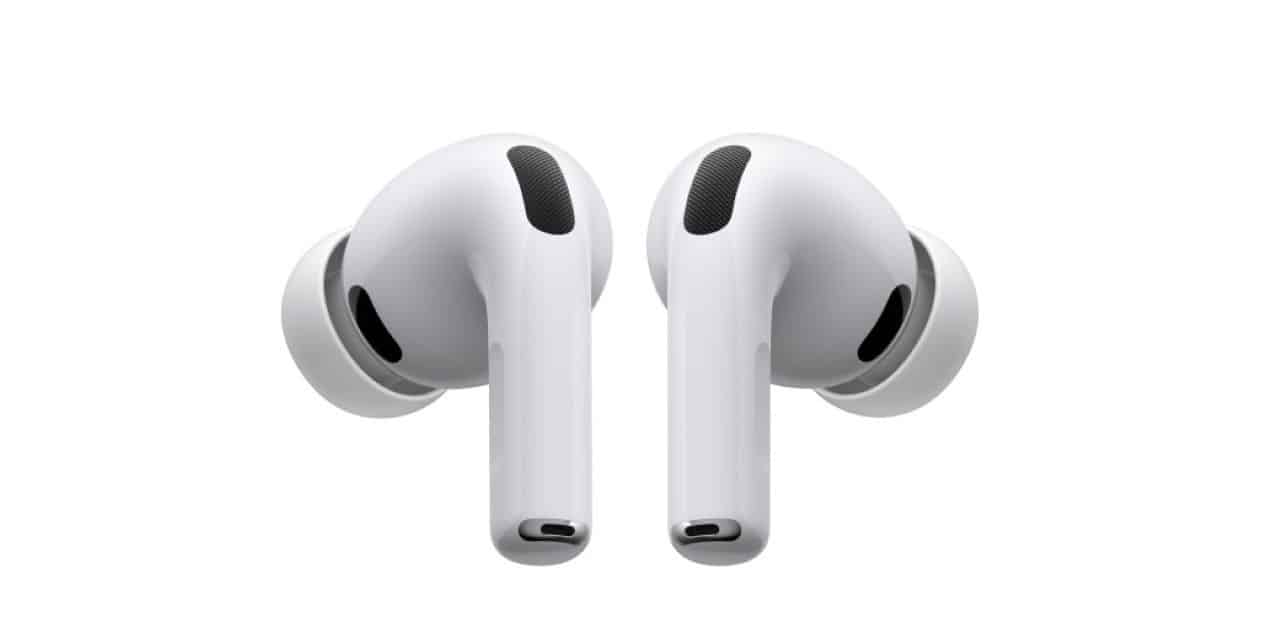
The Cupertino technology giant is preparing a robust update for its premium audio line, expected to hit the market in the second half of this year. The focus of the new device goes beyond simple sound reproduction, positioning the headphones as a central piece in the brand’s spatial computing ecosystem. The great innovation lies in the implementation of a system of cameras and infrared sensors integrated directly into the headphone stems, allowing movements and gestures to be tracked in the air with millimeter precision.
This new hardware architecture aims to tighten integration with the company’s mixed reality glasses, eliminating the latency between the movement of the user’s head and the sound response. Unlike previous generations, which relied exclusively on internal accelerometers and gyroscopes, the new model will use environmental visual data to calibrate spatial audio in real time. The device is expected to hit shelves between September and October, following the company’s traditional launch calendar.

Industry experts point out that this evolution marks a paradigm shift in wearable design. The objective is to make interaction with virtual assistants and augmented reality interfaces more natural, eliminating the need for constant physical touching of the device or the use of external manual controllers. The technology promises to identify subtle commands, such as the movement of fingers in space, processing this information instantly to control media playback or navigate virtual menus.
The commercial strategy for this launch suggests a high-luxury positioning, differentiating itself from entry-level models. With estimated prices between 299 and 349 dollars in the North American market, the product seeks to serve audiophiles and technology enthusiasts who have already invested or plan to invest in the Vision Pro platform. The company is betting on consumer loyalty and the promise of an unprecedented sound immersion experience to justify the high price compared to the competition.
Infrared sensors redefine spatial interaction
The introduction of infrared sensors in headphones represents a significant technical leap forward for the personal audio category. Estes components are capable of mapping the proximity of objects and the relative position of the user’s hands without the need for visible light, working perfectly in dark environments. The technology allows the system to understand the spatial context, adjusting noise cancellation and equalization according to the geometry of the environment where the user is located.
In addition to sound quality, sensors play a crucial role in everyday usability. The system was designed to recognize air gestures, allowing the user to answer calls, adjust the volume or change tracks just by moving their fingers close to the ear, without touching the device. Isso solves a common problem of discomfort caused by physical pressure on buttons or capacitive touch sensors present in current versions, offering a more fluid and hygienic user experience.
The privacy of data collected by these infrared cameras is a priority in the new device architecture. Todo processing of thermal and depth images occurs locally on the headset, without sending visual information to the cloud. The company reinforces that the sensors are used strictly for telemetry and interface control, not operating like conventional photographic cameras, which guarantees the security of the user’s information.
H3 chip and the advancement of local artificial intelligence
The heart of this new system is the H3 processor, developed specifically to handle the hybrid workload of high-fidelity audio and sensor data processing. Este chip represents a considerable advance over its predecessor, offering greater energy efficiency and neural computing capacity. The architecture allows machine learning algorithms to operate directly on the device, adapting the sound profile to the user’s preferences in real time.
Battery autonomy is one of the main benefits of the efficiency of the new silicon. Estima Playback time with active noise cancellation turned on can reach eight continuous hours, a significant increase compared to previous models. Intelligent power management deactivates unused sensors and optimizes the wireless connection, ensuring that the addition of new functionality does not compromise the equipment’s useful life during everyday life.
Active noise cancellation receives an increase in power, being able to filter medium and high frequencies with twice the effectiveness. The H3 chip analyzes ambient sound thousands of times per second, creating a more accurate opposing sound wave to neutralize voices and urban noise. Essa processing capacity also improves transparency mode, which now sounds even more natural, allowing clear conversations without the need to remove the headphones.
Integration with the Vision Pro ecosystem
Synergy with the spatial computing headset is the focal point of this product development. Lossless audio transmission with ultra-low latency is essential for maintaining immersion in virtual environments. The new wireless communication protocol, supported by the H3 chip, allows sufficient bandwidth to transmit complex sound textures that accompany visual objects in three dimensions.
Dynamic head tracking gains absolute precision by fusing data from infrared sensors and gyroscopes. Isso means that when watching a movie or participating in a virtual reality meeting, the sound remains fixed in the virtual space regardless of how the user moves. Essa Sensory stability is essential to avoid cognitive fatigue and discomfort that can occur when there is a mismatch between what we see and what we hear.
Application developers will have access to new tools to explore these capabilities. Jogos and immersive experiences can use the gestures captured by the headphones as additional control inputs, freeing the user’s hands for other tasks. The company hopes that this opening will stimulate the creation of a new category of applications focused on accessibility and productivity, where audio and gesture complement each other.
Improved design and sustainability
While the external aesthetic maintains the brand’s iconic visual identity, subtle changes have been applied to accommodate the new sensors. The rods feature a special translucent material finish that allows infrared signals to pass through, while maintaining resistance to water and dust with IP54 certification. The charging case has also been updated, incorporating more powerful speakers for the precise localization system and a standardized USB-C port.
The ergonomics were revisited based on thousands of ear scans, resulting in a shape that fits a wider range of ears. Novas silicone tips, including an extra small size, ensure efficient passive sealing, crucial for noise cancellation performance. Comfort for prolonged use is a basic requirement, considering that the device is designed to be used in conjunction with mixed reality glasses for long periods.
In terms of sustainability, the product uses 100% recycled rare earths in all magnets and recycled gold in the coating of circuit boards. The company maintains its commitment to eliminate plastic from packaging, using wood fibers from responsible sources. Além In addition, the new modular internal design facilitates battery repair and replacement, aiming to extend the life of the product and reduce electronic waste.
Competitive landscape and market expectations
The launch comes at a time of intense competition in the wearable audio sector. Concorrentes like Samsung and Sony have invested heavily in similar technologies, seeking to integrate their headphones into proprietary ecosystems. However, the focus on infrared technology places the new Apple model in a unique position, offering hardware features that will be difficult to replicate via software alone by adversaries.
Market analysts predict high initial demand, driven by the installed base of iPhone users and the gradual growth in adoption of the Vision Pro. The pricing strategy, although premium, is seen as compatible with the technologies offered. In direct conversion based on current prices, values for the Brazilian market could vary between R$1,500 and R$1,800, without considering the local tax burden, which traditionally increases the final price to the consumer.
The reception from specialized critics during preliminary tests has been positive, highlighting the naturalness of the transparency mode and the precision of the new gesture controls. The industry is waiting to see whether the inclusion of optical sensors in headsets will become a new market standard or whether it will remain an exclusive differentiator for niche products focused on mixed reality.
