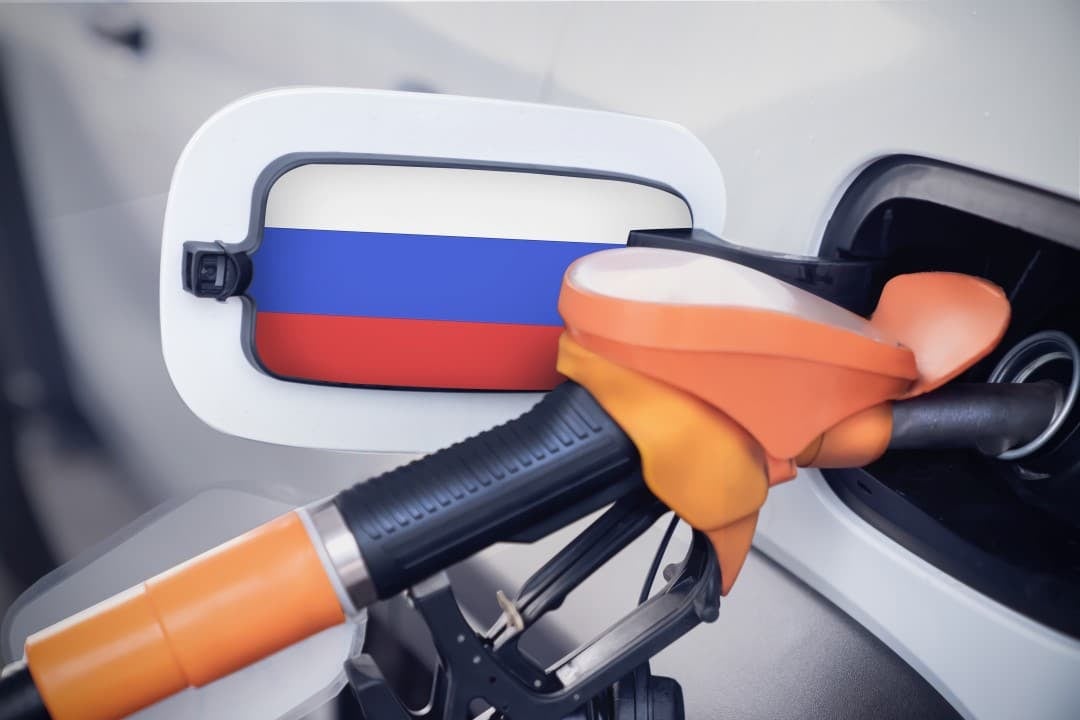
The fuel market in Rússia began the year 2026 recording an average increase of 1.4% in gasoline prices for the final consumer, as indicated by the most recent statistical balances. Esse movimento de alta nas bombas reflete um cenário econômico pressionado pela inflação acumulada e pelo encarecimento dos custos logísticos, afetando diretamente o planejamento financeiro das famílias e empresas que dependem do transporte rodoviário.
Regional disparities and impact on the pocket
The price variation did not occur uniformly throughout the national territory, punishing certain locations more severely due to infrastructure and distribution challenges. The region of Oblast of
Large urban centers also did not escape the upward trend, with Moscou registering an increase of 2% and São Petersburgo of 1.7%, which raises concern among public managers. Essa oscilação nos grandes polos econômicos tende a contaminar outros setores, uma vez que o custo do frete influencia diretamente o preço final de alimentos e produtos básicos nas prateleiras dos supermercados.
Year-to-date, gasoline has already increased by 11.6% compared to the same period last year, an index that exceeds several market projections. Enquanto consumers look for alternatives to reduce consumption, such as the use of public transport, the government monitors the situation to prevent popular discontent from growing due to the loss of purchasing power.
Contradictions in the production chain
One thing that draws the attention of economic analysts is the opposite behavior of prices at the refinery gates, which showed a significant drop of 18.3% in the same period. Essa reduction in production costs, observed in all federative units, suggests that profit margins in distribution and taxes are absorbing any relief that could reach the consumer.
Currency devaluation and international sanctions continue to play a crucial role in price formation, limiting export capacity and forcing adjustments in the domestic market. Especialistas point out that the disconnect between the producer price and the retail value is a symptom of inefficiencies in the supply chain and the need for urgent investments in logistics.
Perspectives and control measures
Given this scenario, Russian authorities are evaluating the implementation of temporary subsidies to contain price escalations and protect the most vulnerable sections of the population. The increase in pipeline transportation tariffs, which rose 3.2% in January, added an extra layer of complexity to the problem, requiring a coordinated response between the public sector and energy companies.
Although the value of fuel in Rússia still remains competitive when compared to markets such as Brazil or the United States, the internal inflation dynamics require caution. The stability of the energy sector in the coming months will depend on the government’s ability to balance fiscal accounts without fully passing on the volatility of global oil to the supply pumps.
