


The South Korean giant recently made official its new line of premium devices, consisting of the Galaxy S26, S26+ and S26 Ultra models, confirming an engineering decision that generated debates in the mobile technology sector. Diferente of the market trend that seeks to integrate magnetic rings directly into the chassis of devices to support the Qi2 standard, the manufacturer chose not to include native magnets in the body of smartphones. Essa strategic choice reflects a renewed focus on optimizing internal design, prioritizing thickness reduction and weight relief, elements considered critical to the ergonomics of devices with large screens.
Company executives clarified that the removal of internal magnetic components was not a cost-cutting measure, but rather a direct response to consumer behavior and the physical limitations of current hardware components. The strategy allowed the development team to allocate internal space, which is extremely valuable in modern devices, to other vital components, resulting in devices that are thinner and lighter than their predecessors, without sacrificing battery capacity or thermal efficiency.
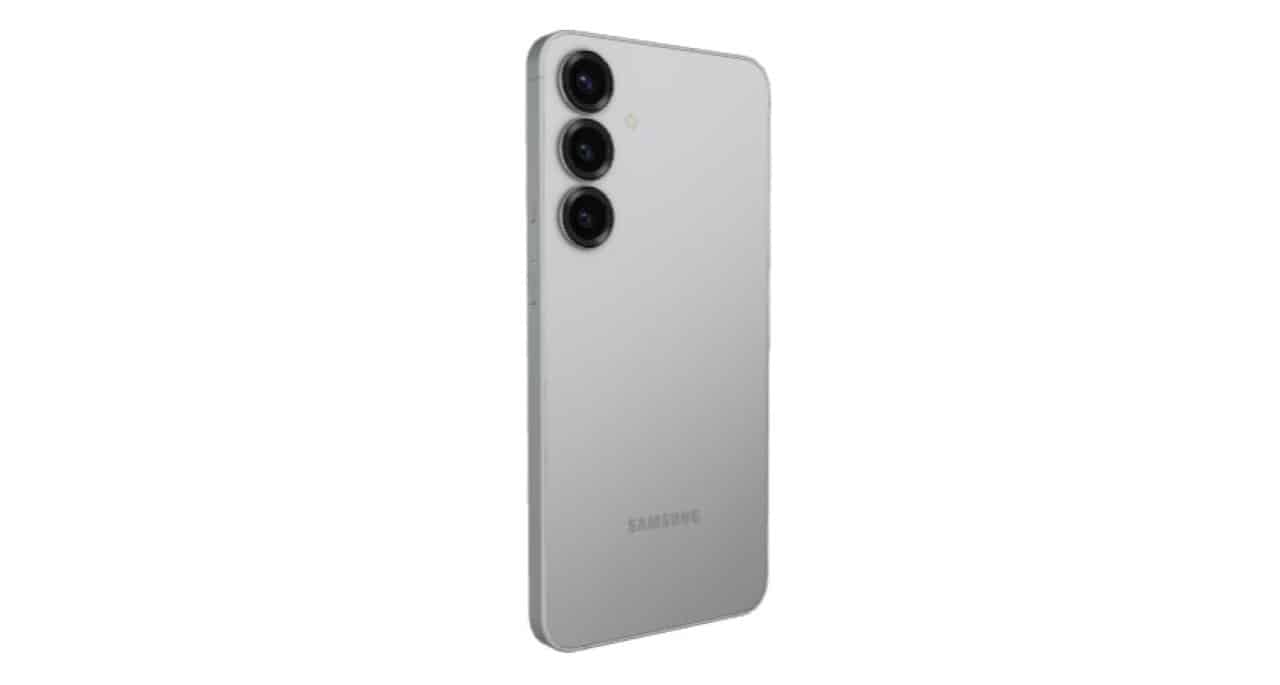
The rationale behind this decision is based on robust usage data collected by the manufacturer itself. Pesquisas internals revealed that an overwhelming portion of Galaxy smartphone owners, totaling around 83%, use protective covers on their devices daily. Diante from this statistic, engineering concluded that integrating magnetic rings directly into the back glass or internal structure would be redundant for the vast majority of users, as the functionality can be transferred to official accessories without compromising the structural integrity of the phone.
To ensure compatibility with the magnetic charging ecosystem and the Qi2 standard, the solution adopted was the development of a portfolio of official covers that already have integrated magnets. Essa hybrid approach allows users who want automatic alignment functionality on wireless chargers to obtain it through the accessory, while those who prefer to use the device without a case or with simpler protections are not penalized with extra weight or unnecessary magnetic interference.
Engineering focused on lightness and thickness
The technical justification for the absence of magnets gains strength when the physical specifications of the new devices are analyzed. The search for a slimmer profile resulted in the Galaxy S26 Ultra featuring a thickness of just 7.9 millimeters, making it the thinnest model in the recent history of the Ultra line. Além of the reduction in dimensions, the total weight of the device was contained to 214 grams, which represents a reduction of 4 grams compared to the previous year’s model, the Galaxy S25 Ultra.
While a reduction of a few grams may seem insignificant on paper, on a portable device used for hours on end, this difference contributes to comfort and usability. The elimination of internal magnets was one of the factors that made this structural “diet” possible. By removing additional metal components required for the magnetic arrangement, engineers were able to free up internal volume to optimize the cooling system and maintain high-density batteries, balancing the demand for autonomy with refined aesthetics.
This prioritization of industrial design over the native functionality of magnets demonstrates a market reading where the aesthetics and tactile sensation of the “naked” device still have great weight in the purchasing decision. The company is betting that lightness will be a more noticeable competitive differentiator in everyday life than the presence of built-in magnets, especially when the solution via accessories is easily accessible and widely adopted.
The challenge of interference in S Pen
A crucial point that influenced the decision, specifically in the Ultra model, was the preservation of the functionality of the S Pen. The scanning technology used in the brand’s stylus pen operates through electromagnetic resonance, a system known for its high precision, but also for its sensitivity to external magnetic fields. The introduction of a ring of powerful magnets on the back of the device, aligned with the charging coil, presented significant risks of interference with the pen’s operation.
Rigorous tests carried out during the prototyping phase indicated that the presence of strong magnets integrated into the chassis could create dead zones or distortions in the detection of the tip of the S Pen on the screen. Isso would directly affect the writing and drawing experience, fundamental pillars of the Ultra model’s identity. Para Avoid compromising one of the most iconic features of the series, the manufacturer opted for prudence, delegating the magnetic function to the covers, where distancing and shielding can be better managed.
The integrity of the productivity tool spoke louder than the convenience of the native magnetic coupling. By moving the magnets into the cover, additional physical separation is created and allows the user to remove the accessory if absolute precision is required for graphic work or detailed notes, offering flexibility that would not be possible with internally soldered magnets.
Advances in wireless charging speed
Even without the internal magnets, the Galaxy S26 line has brought significant advances in wireless charging technology. The S26 Ultra model now supports wireless charging of up to 25W, a considerable jump from the 15W of the previous generation. Esse increase in power was made possible by the use of new reception modules developed by specialized suppliers, which managed to increase the efficiency of energy transfer and reduce heat loss.
The intermediate model, Galaxy S26+, also received improvements, reaching the 20W mark in wireless charging, while the base model S26 maintained the 15W standard. Para To reach these maximum speeds, it is necessary to use compatible chargers and precise alignment, something that official magnetic covers facilitate, closing the loop on the company’s strategy. Thermal stability during prolonged charging sessions was another focus, ensuring that increased speeds do not degrade long-term battery health.
In the field of wired charging, the evolution is also notable, with the Ultra model supporting up to 60W. Isso allows the battery to go from 0% to 75% in approximately 30 minutes, offering a quick solution in times of emergency. While competitors like the OnePlus 13 offer speeds of up to 100W, the South Korean approach remains to balance speed with longevity and safety, avoiding excessive stress on power cells.
Ecosystem and market strategies
The decision not to include native magnets drove the development of a robust accessory ecosystem. The brand has launched a varied line of dedicated covers for the S26 series, all equipped with magnetic rings compatible with the Qi2 standard. Além of the covers, 60W portable chargers and vehicle mounts were introduced that integrate perfectly with this new modular system. Isso creates a new source of revenue and allows for greater user customization.
In strategic markets such as Índia and Estados Unidos, initial reception has been positive, with consumers valuing flexibility. Compatibility with the Qi2 standard via accessories ensures that devices do not become obsolete in the face of new peripherals launched by third parties. The company guarantees that when using official covers, charging efficiency is maintained at peak, without the losses that could occur with poorly designed generic accessories.
Market analysts note that this “modularity via accessories” strategy could influence future generations of smartphones. By removing complexity from the internal hardware and passing it to the accessory, manufacturers gain the freedom to innovate in other areas, such as cameras and processing, without the restrictions imposed by large magnet arrays. In the long term, this could redefine what is considered essential in the internal construction of a flagship.
Comparisons and competitive scenario
The absence of magnets puts the Galaxy S26 in a distinct position relative to competitors like the Google Pixel 10 and newer iPhones, which have adopted native magnetic alignment as standard. Críticos point out that the need to buy a cover to have the full functionality of the Qi2 can be seen as a barrier or a hidden cost. However, the manufacturer’s defense lies in preserving the design and protecting against interference, points that are often sacrificed by other brands.
Comparatively, the S26 Ultra manages to maintain a competitive weight and reduced thickness, even housing the S Pen, something that no other direct competitor offers. Choosing cutting-edge processors, such as the Snapdragon 8
The debate over convenience versus design will continue, but early sales figures suggest the brand’s loyal user base has welcomed the switch. The possibility of using third-party adhesive magnetic adapters is also an option for those who prefer not to use covers, demonstrating that the market always finds solutions to adapt technology to individual preferences. In the end, the S26 series reaffirms that, for the technology giant, the integrity of the design and functionality of the S Pen are non-negotiable priorities.



