

Instituto of Bioengenharia of Diferente compared to conventional plastics and other biodegradable materials that lose their rigidity or degrade when wet, this new compound becomes up to 50% more resistant when it comes into direct contact with water.
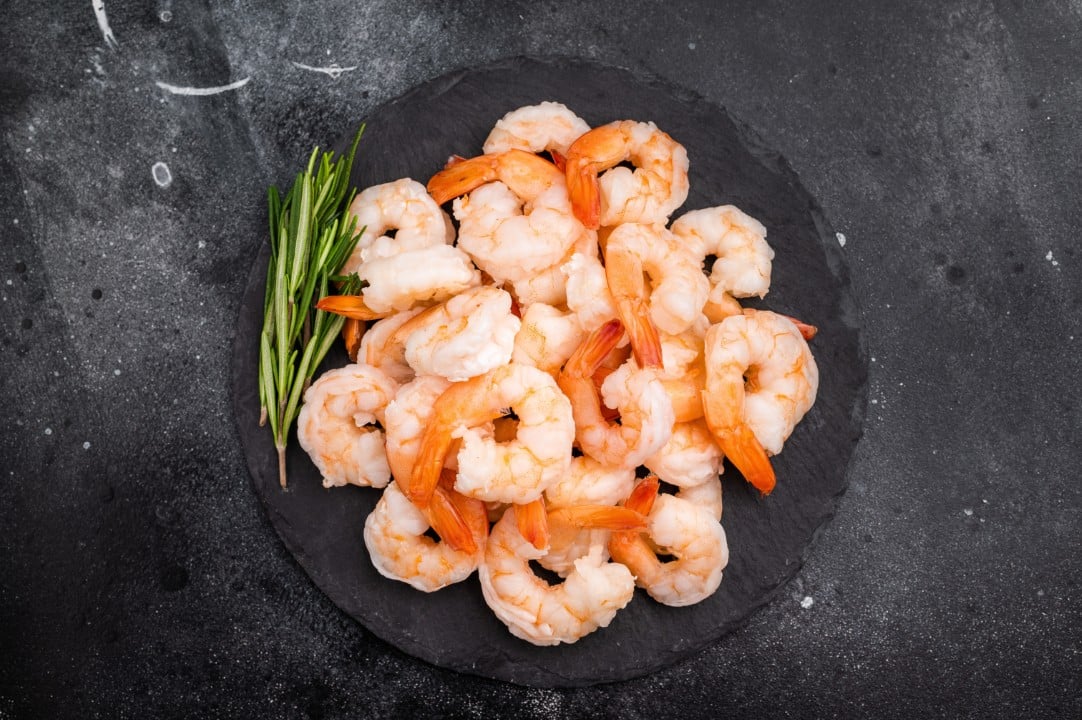
The discovery uses chitosan, a natural polymer extracted from the exoskeleton of crustaceans, combined with a structure of nickel ions to create a dynamic molecular network. Este scientific advance seeks to offer a viable and high-performance alternative to replace petroleum-derived plastics, which currently burden terrestrial and marine ecosystems. The manufacturing process uses waste from the fishing industry, transforming what would otherwise be garbage into a technological raw material with low environmental impact and high durability in humid environments.
Inspiration from nature and biological mechanisms
The team of Spanish researchers sought references in marine biology to solve the problem of the fragility of common bioplastics in the face of excessive humidity. When observing marine worms of the speciesNereis virens, scientists noticed that the strength of their jaws directly depended on the presence of metallic ions in their natural composition. Quando these zinc ions were removed in the laboratory, the jaws of the specimens immediately softened, proving that specific metals can dictate the structural integrity of biopolymers in aquatic environments.
To replicate this effect in the artificial material, engineers chose to use nickel ions due to their excellent ability to interact with chitosan molecules. Essa strategic choice allowed the material to not only repel water, but use it as an active agent in maintaining its internal mechanical strength. The result is a product that defies the logic of traditional polymers, where hydration often acts as a solvent that weakens chemical bonds.
The role of nickel in molecular restructuring
Unlike common plastic, where water penetrates and separates the molecular chains causing softening, the new bioplastic uses liquid to reorganize its internal connections. Nickel ions inserted into the chitosan base create a mobile network of bonds that are constantly broken and reformed in a microscopic self-repair cycle. Quando the material is submerged, the presence of water facilitates this exchange of bonds, allowing the structure to eliminate points of mechanical tension and become denser.
- 50% increase in total hardness after complete immersion in water.
- Higher energy dissipation capacity than synthetic polymers.
- Maintaining flexibility without loss of structural support.
- Superior resistance to various types of petroleum-derived plastics.
Sustainability and decomposition in natural cycles
Although it contains metals in its composition to guarantee the necessary hardness, the material maintains the original chemical nature of chitosan, which preserves its full biodegradability. Isso means that, after disposal, the polymer can be processed by microorganisms and return to the natural cycle without leaving toxic residues or persistent microplastics. The innovation ensures that the product’s life cycle is closed, using organic waste to create a utilitarian item that will once again be a nutrient for the soil or sea.
The preservation of environmental integrity is one of the pillars of this project, as nickel is used in controlled quantities that do not impede decomposer action. Especialistas point out that this characteristic is essential for the technology to be adopted on a large scale by industries that seek seals of sustainability and compliance with strict environmental laws. The focus remains on creating a circular economy where technical efficiency does not compromise the health of the oceans.
Practical applications in modern industry
The mechanical properties of this new material open the door to a wide range of applications, especially in sectors that deal with constant exposure to liquids or vapors. Embalagens of fresh food, marine components and even medical devices can benefit from plastic that does not fail in high humidity conditions. The versatility of chitosan allows the material to be molded into different shapes, from thin, flexible films to solid, rigid blocks for structural use.
- Manufacture of fishing nets that do not lose traction in the ocean.
- Production of packaging for chilled and frozen products.
- Development of sutures and temporary biomedical devices.
- Creation of high-resistance disposable utensils for outdoor events.

Performance comparison with traditional polymers
Laboratory tests have shown that chitosan and nickel bioplastic outperforms many conventional plastics in terms of tensile and compressive strength when both are wet. Enquanto polymers such as nylon can absorb moisture and lose dimensional stability, the new compound stabilizes and gains rigidity, offering superior technical predictability. Esse behavior is critical for engineers who need reliable materials for infrastructures that operate in the rain or underwater.
In addition to brute strength, nickel’s molecular adaptability allows the bioplastic to withstand repeated impacts without suffering permanent fractures. Essa resilience is attributed to the way ionic bonds move to absorb shock, a property rarely found in low-cost materials. The logistics industry shows special interest in these characteristics for the protection of cargo in international maritime transport.
Challenges for global scale production
Despite promising results in a controlled environment, the transition from the laboratory bench to factories requires overcoming logistical and cost challenges. The collection and processing of crustacean shells needs to be optimized to ensure a constant and uniform supply of high-purity chitosan. Atualmente, researchers are working on refining synthesis methods to make the nickel ionic inclusion process faster and cheaper for producers.
Another point under analysis is the behavior of the material at different levels of salinity and extreme temperatures found in the global oceans. Garantir that strengthening occurs in both tropical waters and polar regions is a decisive step towards definitive commercial validation. Instituto of Bioengenharia of
Future of sustainable materials technology
Materials science is experiencing a moment of transition where biomimicry, or the imitation of nature, becomes the main innovation tool for the future. The success of this “water-loving” plastic signals a paradigm shift, where the natural fragility of organic materials is corrected through intelligent molecular engineering. The ultimate goal is to eliminate human dependence on synthetic substances that take centuries to decompose, replacing them with solutions that evolve with the environment.
The Spanish breakthrough serves as a model for other research centers exploring the properties of fungi, algae and other biological byproducts. By proving that it is possible to have a biodegradable material as strong as steel or hard plastic, science removes the last major obstacle to the mass adoption of green technologies. The expectation is that, in the coming years, the patents derived from this study will allow the emergence of a new generation of environmentally friendly industrial products.