
The occurrence of a total lunar eclipse on March 13, 2025 provided a unique astronomical spectacle, known as a “blood moon”. The phenomenon, which dyed Lua a reddish hue, generated great interest among observers and astronomy enthusiasts.
This type of eclipse happens when Lua completely enters the shadow of Terra, a perfect alignment between Sol, Terra and Lua. The light from Sol is filtered by Earth’s atmosphere, allowing only red colors to reach the lunar surface.
In locations such as Marina of Brownsville, the event was particularly visible, consolidating itself as a moment of rare natural beauty.
2025 phenomenon in the spotlight
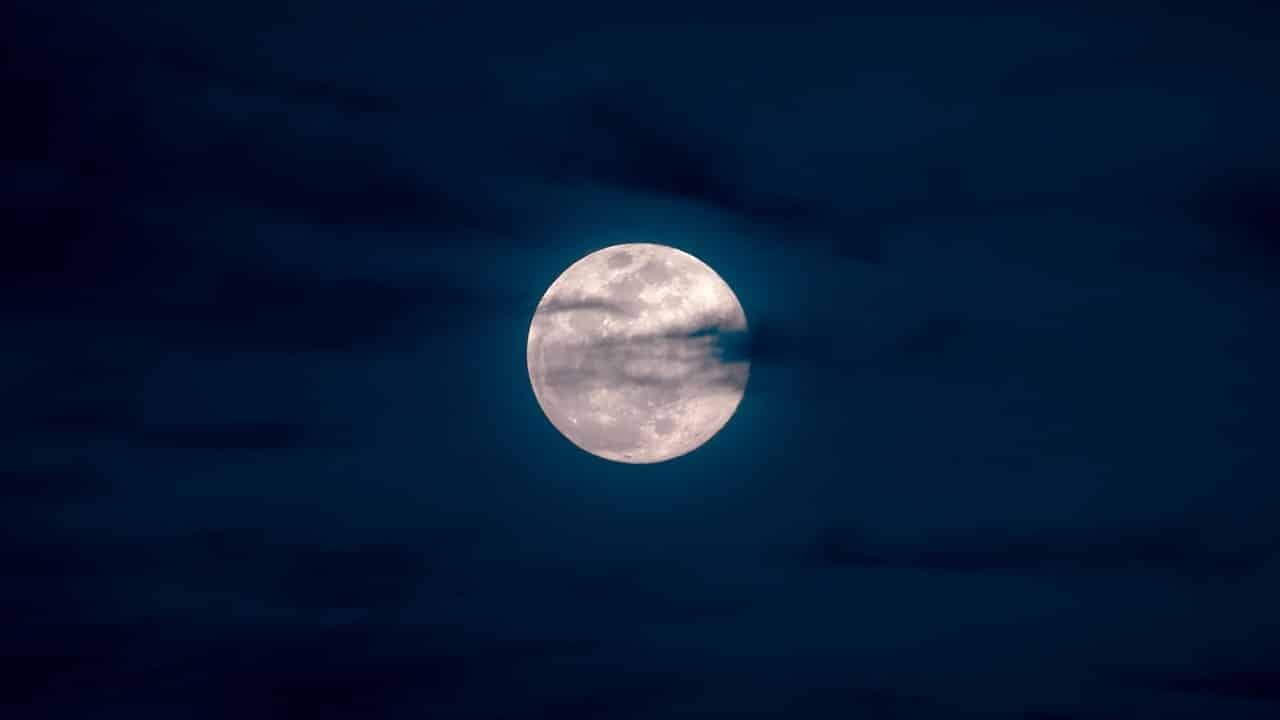
The 2025 lunar eclipse marked one of the most anticipated celestial events of the year, attracting looks from different parts of the world. Viewing a total lunar eclipse, although not an extremely rare event in absolute terms, always offers a unique experience.
Amateur and professional astronomers prepared their equipment to record each phase of the lunar transformation, from the first contact with the penumbra to totality.
The science behind coloring
The reddish color that characterizes the “blood moon” is not a mystery, but a fascinating result of physical principles. Terra’s atmosphere acts like a filter, scattering blue light more effectively than red.
When sunlight passes through Earth’s atmosphere and bends toward Lua, blue wavelengths are scattered, while red and orange wavelengths make it through. Esta refracted light is then projected onto the lunar surface, giving it its peculiar hue.
Factors such as the amount of dust and clouds in the Earth’s atmosphere can influence the intensity of the red observed, making each eclipse slightly different.
Reactions and expectations
Anticipation of the 2025 lunar eclipse mobilized observers and onlookers across the globe. Muitas communities organized public observation events, with telescopes and informative talks.
The enthusiasm was palpable, as the opportunity to witness such a remarkable phenomenon promotes the connection between science and the general public. The night of March 13th turned into a celebration of astronomy.
Reports from observers highlighted the clarity of the sky in several regions, providing an unobstructed view of the “blood moon”.
Visibility over Brownsville
The city of
Residents and visitors gathered in open spaces, turning the night into a great event of astronomical contemplation. Fotografias and videos of the phenomenon quickly circulated, attesting to the beauty of the moment.
Visibility in other parts of the continent was also favorable, depending on local weather conditions. Mapas of visibility were widely publicized to guide enthusiasts.
Even though the event occurred in the past, its impact on the collective memory of observers remains. The atmospheric conditions of the time contributed to the vivid coloring.
Observation and records
The scientific community and astronomy enthusiasts have dedicated themselves to recording the 2025 lunar eclipse accurately. Diversos observatories aimed their telescopes at Lua, collecting high-resolution data and images. Esses records are valuable for studying the celestial motions and atmospheric properties of Terra. The attention dedicated to the event allowed the collection of important information about the refraction of sunlight, contributing to future research and the understanding of similar phenomena on other celestial bodies.
Thorough documentation of each phase of the eclipse, from the beginning of the penumbral phase to the exit from total shadow, is essential for comparative analyses. Especialistas uses this data to improve predictive models and to educate the public about the complexity of astronomical phenomena. Global engagement in observing 2025 demonstrated the power of science to unite people around a common goal of discovery and wonder at the universe.
Curiosities about eclipses
Total lunar eclipses are events that occur a few times a year or every few years, but the visibility of each depends on the observer’s geographic location. Eles are not dangerous to vision, unlike solar eclipses, and can be safely observed with the naked eye.
