

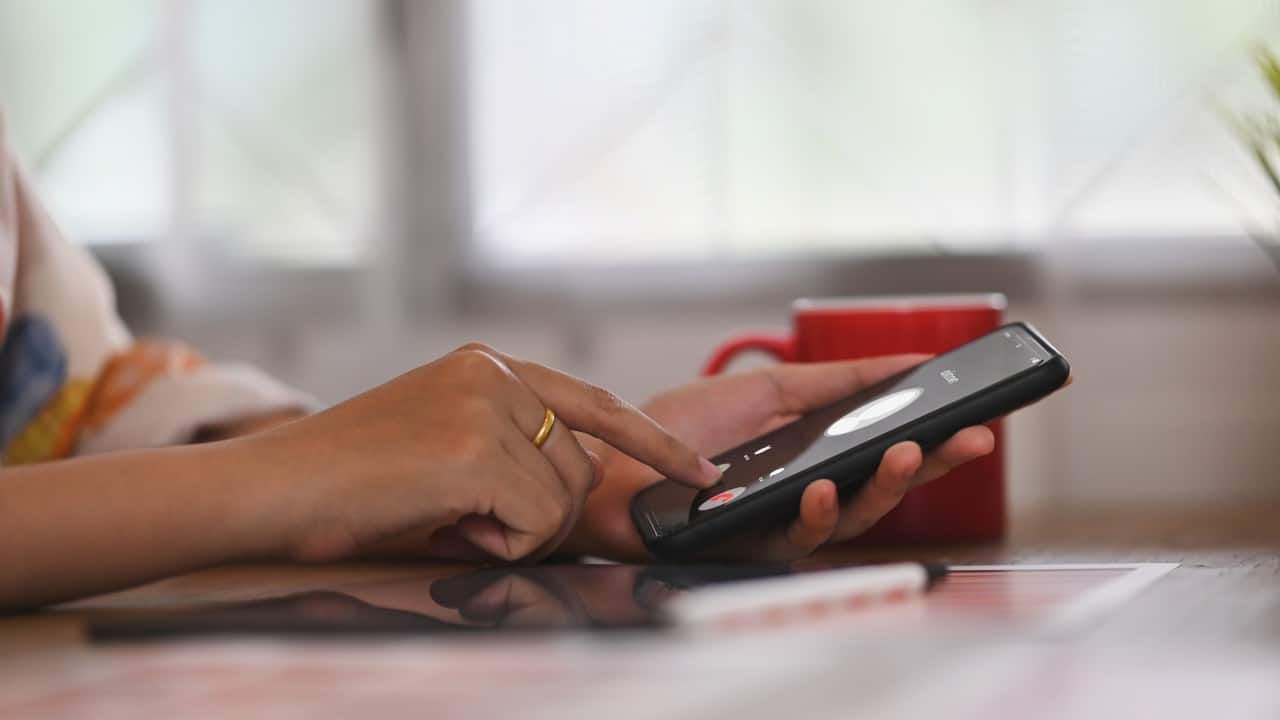
The official Google calling app has started implementing an unprecedented feature that promises to change the way users identify themselves during calls. The new tool allows you to create a unique digital business card, designed to appear full screen on the caller’s device. Essa update aims to modernize the dialing interface, offering an extra layer of visual customization similar to that found in other mobile operating systems.
To use the resource, the system requests direct linking with the Google account, ensuring data synchronization between devices. The configuration process begins with the selection of a main image, which can be chosen from the device’s gallery, the Google Fotos or captured instantly by the camera. From this visual base, the user has access to a set of editing tools to refine the presentation of their profile.

Customization options and visual adjustments
The tool offers a detailed level of control over the textual and aesthetic elements of the card. Users can adjust the font, modify the thickness and width of the letters, as well as select colors that harmonize with the chosen background image. Esses adjustments allow you to create profiles with a strictly professional appearance to more casual and creative designs, reflecting the identity of the phone line owner.
In addition to aesthetics, the functionality gives you full control over privacy and display range. Nas settings, it is possible to define whether the personalized card will be shown to all numbers, including unknown numbers, or restricted only to contacts saved in the phonebook. Essa distinction is essential for those who use the same device for personal and work purposes, allowing the presentation to be adapted according to the context of the call.
Feature availability and expansion
The distribution of the new feature is occurring gradually and depends on activation via the server, which explains why not all users with the most recent version of the application are able to view the option immediately. Inicialmente identified in test versions, the functionality should reach more compatible smartphone models in the coming weeks, as the company evaluates the stability and feedback of the initial implementation.