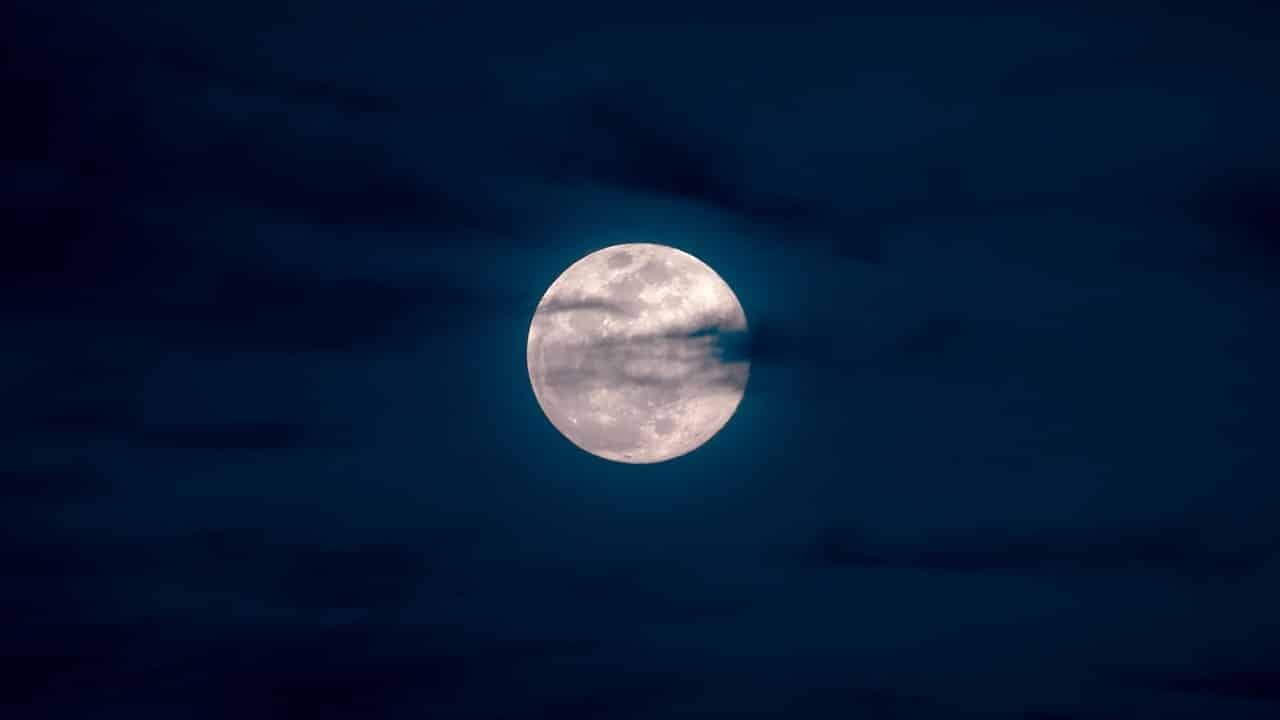
The month of March 2026 holds a unique astronomical scenario, marked in the first few days by a significant celestial alignment. Lua Cheia takes center stage on the 3rd, coinciding with a total lunar eclipse that promises to change the color of the natural satellite to reddish tones. Este phenomenon occurs at 8:39 am, at Brasília time, and inaugurates the monthly synodic cycle.
Astronomers and enthusiasts await this period, as the combination of phases directly influences nighttime observation conditions and terrestrial phenomena. The complete cycle, which lasts an average of 29.5 days, will follow its regular course after the initial event, offering different perspectives of the satellite over the weeks.

Official timeline of lunar phases
The distribution of the four main phases occurs at approximately seven-day intervals, allowing precise monitoring of lighting changes. The times listed below follow the Brasília time zone and serve as a reference for planning observations:
– Lua Cheia: day 3, at 8:39 am;
– Quarto Minguante: 11th, at 6:41 am;
– Lua Nova: 18th, at 10:26 pm;
– Quarto Crescente: 25th, at 4:19 pm.
Eclipse details and visibility
The coincidence between Lua Cheia and the total eclipse on March 3 is the highlight of the calendar. Durante this event, Terra is positioned exactly between Sol and Lua, projecting its shadow over the satellite. The Earth’s atmosphere filters sunlight, allowing only red wavelengths to reach the lunar surface, creating the popularly known visual effect.
This moment provides intense illumination in the night sky before and after the peak of the eclipse. Observadores in regions with favorable meteorological conditions you will be able to notice details of the lunar surface with greater clarity, especially the contrast of the lunar craters and seas.
Tidal dynamics and gravity
Lunar phases exert a direct influence on Earth’s oceans through gravitational force. Durante to
In the periods of Quarto Crescente and Minguante, the configuration changes. The stars form a right angle in relation to Terra, which results in gravitational forces that partially oppose each other. Isso causes neap tides, where the variation in sea level is significantly lower, a relevant fact for navigation and coastal activities.
Tips for astronomical observation
To make the most of the March calendar, it is recommended to look for locations away from urban light pollution, especially during Lua Nova, when the dark sky favors the viewing of stars and other celestial bodies. The use of binoculars or small telescopes can enrich the experience, revealing textures that escape the naked eye.
Monitoring the weather forecast is essential, as cloud cover can block the view of phenomena. Além Furthermore, it is important to adjust the times mentioned for each observer’s local zone, ensuring that no important moment of the 2026 cycle is missed.
