

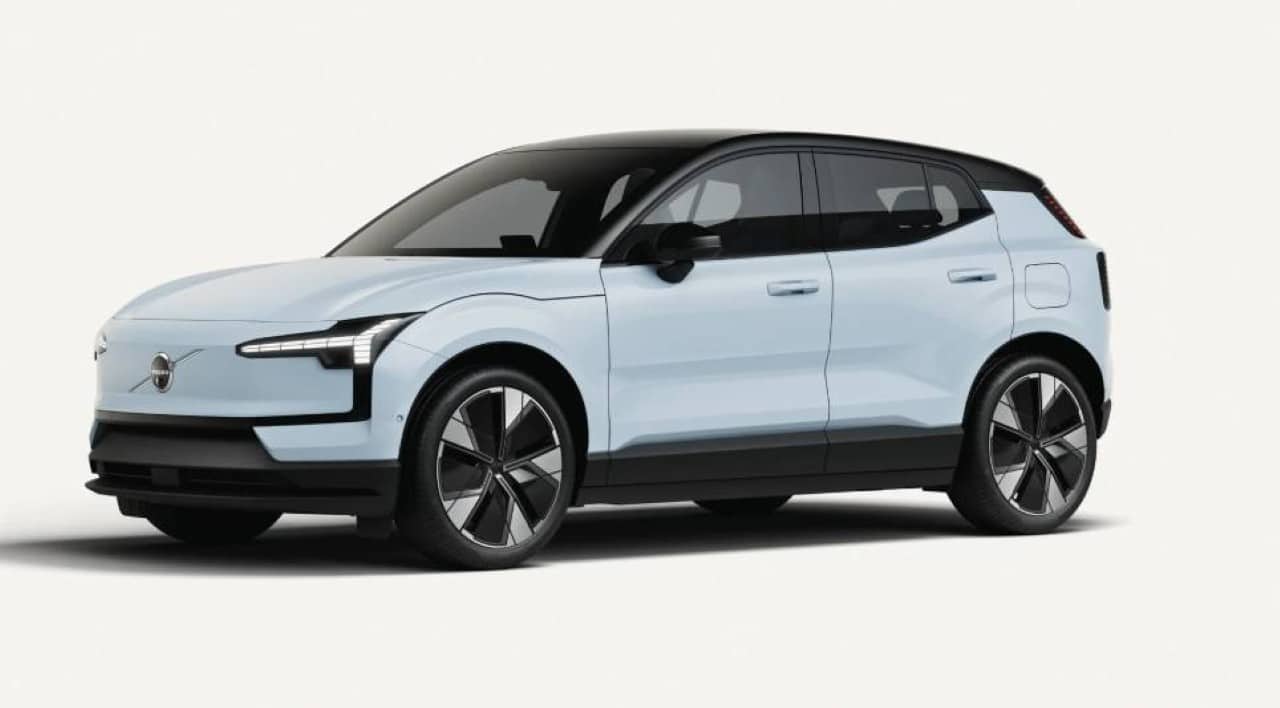
Volvo Cars has officially restructured its line of compact SUVs, aiming to democratize access to premium electric mobility with a new entry-level configuration tailored for metropolitan environments. The movement appears as a direct response to the global demand for energy efficiency in cities, introducing a mechanical set that prioritizes daily commuting without sacrificing the brand’s safety standards. The engineering behind this version focuses on the balance between performance and cost, allowing for a more competitive price in the segment.
This upgrade features a single rear-wheel drive motor delivering approximately 150 horsepower (110 kW), coupled with a 51 kWh battery pack optimized to reduce weight and consumption. With a WLTP cycle of up to 339 km, the model is aimed at drivers who mainly travel in urban centers, offering sufficient autonomy for daily routines.
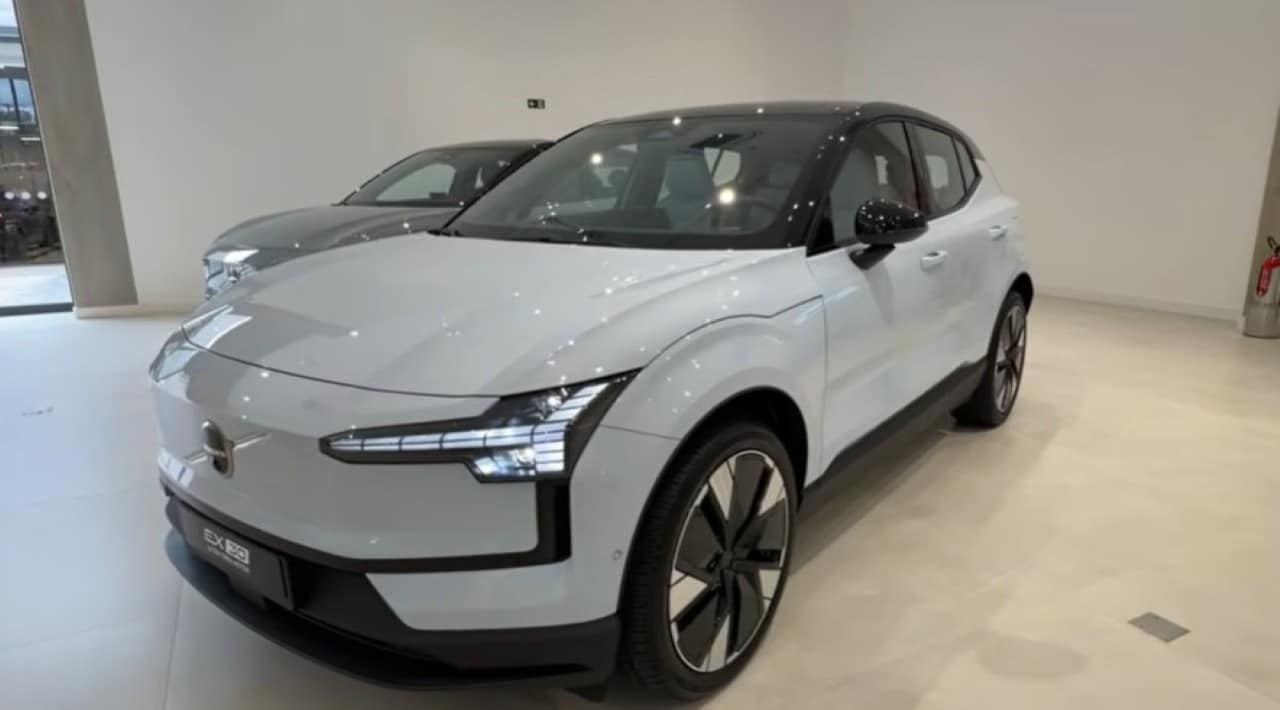
The arrival of these new specifications on the Brazilian market is projected for the second half of 2026, promising to heat up competition in the compact sports utility vehicle sector.
Energy efficiency and autonomy options
By adjusting the power and size of the battery, the manufacturer ensures that the vehicle remains agile for city traffic, significantly reducing energy consumption per kilometer driven compared to high-performance variants. Esta segmentation allows the buyer to choose a configuration that closely matches their usage pattern, avoiding unnecessary costs for idle battery capacity.
Consumers looking for greater ranges still have access to the 69 kWh battery option, which extends autonomy to 476 km, providing versatility for weekend trips or intercity journeys. The diversification strategy aims to serve both customers looking for the lowest acquisition cost and those who need greater independence from the public charging network.
Technology transforms vehicle into energy source
One of the big differences of this update is the standardization of the Vehicle-to-Load (V2L) system, which transforms the car’s high voltage battery into a “power bank” for external devices. Esta functionality is managed by intelligent software to prevent draining the main battery below critical levels, requiring a specific adapter for the charging port.
– Carregamento of bicycles and electric scooters during stops.
– Alimentação of camping equipment, such as lights and electric stoves.
– Suporte as an emergency backup for essential appliances in power outages.
– Viabilização of remote work tools in places without a power grid.
This bi-directional power capability aligns the model with modern off-grid connectivity and lifestyle demands, allowing the car to actively integrate into the owner’s electronic ecosystem.
Interior design and renewable materials
Following Scandinavian design principles, the cabin incorporates innovative recycled materials, such as denim fibers from recycling processes and flax-based composites used in panels and door trim.
These choices replace traditional plastics, reducing the vehicle’s carbon footprint while offering a unique tactile experience that differentiates the model from conventional luxury competitors.
System updates and adventurous version
The infotainment system, centered around a 12.3-inch screen, has received significant software updates to improve the fluidity of the interface and add customization options requested by early adopters. Além Additionally, the Cross Country range has been expanded with the “Plus” trim level, combining robust aesthetic elements such as skid plates and black cladding with the new efficient powertrain, offering an option for those who want an adventurous look without the need for the highest performance specifications.



