

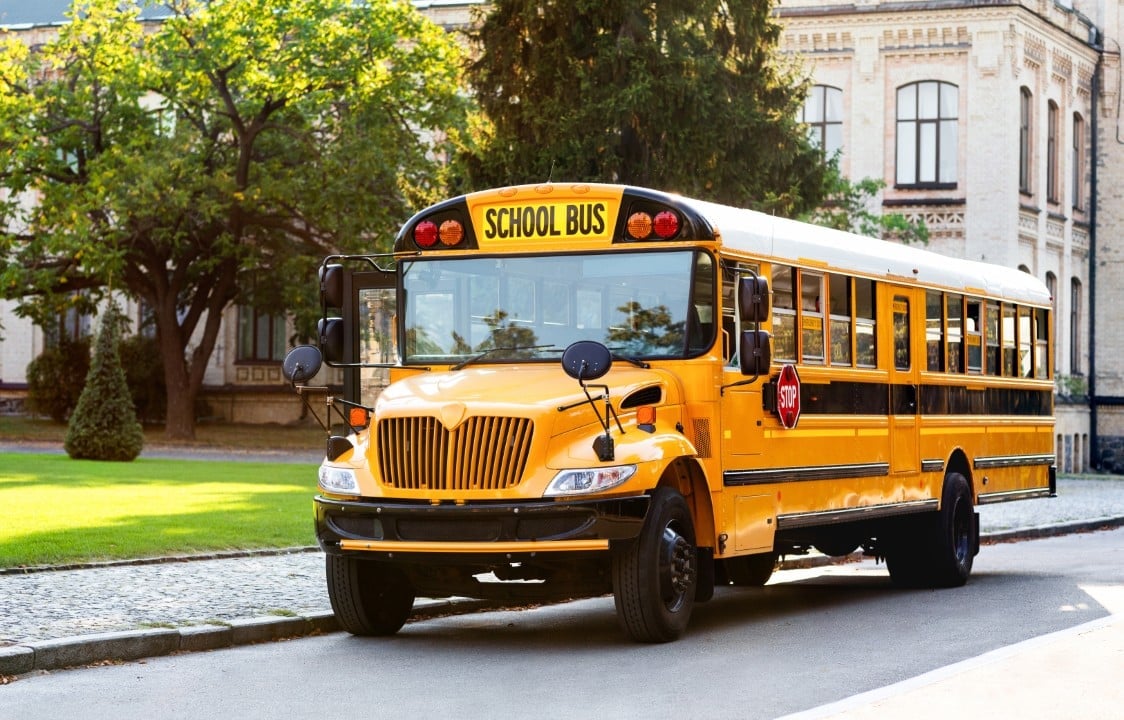
An intense cold front reached the central region of Ohio in the early hours of this Monday, March 2, 2026, significantly changing the routine of thousands of students and their families. The dangerous combination of snow, freezing rain and low temperatures has forced more than a dozen school districts to suspend activities altogether or delay the start of classes. The emergency measure aims, primarily, to guarantee the physical integrity of students, teachers and staff in the face of adverse traffic and visibility conditions.
The storm system gained considerable strength overnight, coinciding with peak morning commute times. Meteorologistas point out that mixed precipitation created high-risk scenarios on roads, especially in areas south of interstate I-70. The accumulation of ice on the roads and compacted snow made school transport and travel by private vehicles extremely dangerous, requiring a quick response from local administrations.
The decisions were communicated to parents and guardians early in the morning, generating a rush to adjust schedules and family logistics. The priority of educational authorities was to prevent school buses and inexperienced drivers from traveling on slippery roads, where braking and vehicle control are compromised. Além road conditions, the thermal factor also weighed on the decision, as the thermal sensation plummeted to levels that pose a health risk to children waiting for transport outdoors.
Affected districts and schedule changes
The response from educational institutions varied depending on the severity of the climate in each specific location. Enquanto algumas escolas optaram por um atraso estratégico de duas horas para permitir a atuação das equipes de limpeza de neve e o aumento da temperatura, outras decidiram pelo fechamento total. Entre the main changes recorded in the central region, the following stand out:
– Escolas from the city of Hilliard: Fechadas.
– Escolas of Marysville: Fechadas.
– Escolas Locais of Miami Trace: Fechadas.
– Distrito Escolar of Mechanicsburg EVSD: Fechado.
– Escolas Locais of Triad: Fechadas.
– Escola Cristã and Pré-school Cypress: Fechadas.
– Escola Primária East Linden: Fechada (due to specific heating problems).
Other institutions chose to modify the entry time, implementing a two-hour delay. Esta list includes the Escolas Locais of Amanda-Clearcreek, the city schools of Bellefontaine, Escolas Locais of Escolas Locais West Liberty-Salem and the city schools of Whitehall.
Security criteria and climate monitoring
The decision to change the school calendar is not taken lightly by superintendents and educational managers. The process involves constant monitoring of weather forecasts and, frequently, physical inspections of secondary and rural roads during the early hours of the morning. The safety of school transport is the preponderant factor, but the heating capacity of the facilities is also evaluated, as demonstrated by the closure of Escola Primária East Linden.
Monitoring continues throughout the day as weather conditions in the region remain volatile. The snow, which reached its peak intensity in mid-morning, began to gradually turn into a mixed precipitation of rain and snow. Essa transition, although it may seem like an initial relief, brings the hidden risk of surfaces freezing when temperatures fluctuate, creating almost invisible layers of ice on the asphalt, known as “black ice”.
Recommendations for the community and traffic
Public safety authorities have issued warnings for residents of downtown Ohio to remain cautious. The official recommendation is to avoid unnecessary travel while road maintenance teams work to clean and salt main roads. Para those who need to leave, the guidance is to drastically reduce speed and increase the safe distance between vehicles.
In addition to traffic risks, domestic preparation is essential. As temperatures drop, the use of heaters increases, requiring responsibility to avoid accidents and carbon monoxide poisoning. It is advisable to check smoke detectors and keep emergency kits with blankets and basic supplies in case there are power outages due to the weight of ice on the wiring.
Communication between schools and families remains active through digital portals, messaging apps and local media. Transparency and speed in disseminating this information are crucial to minimize the impact on the community’s routine and ensure that everyone remains safe during the passage of this cold front.