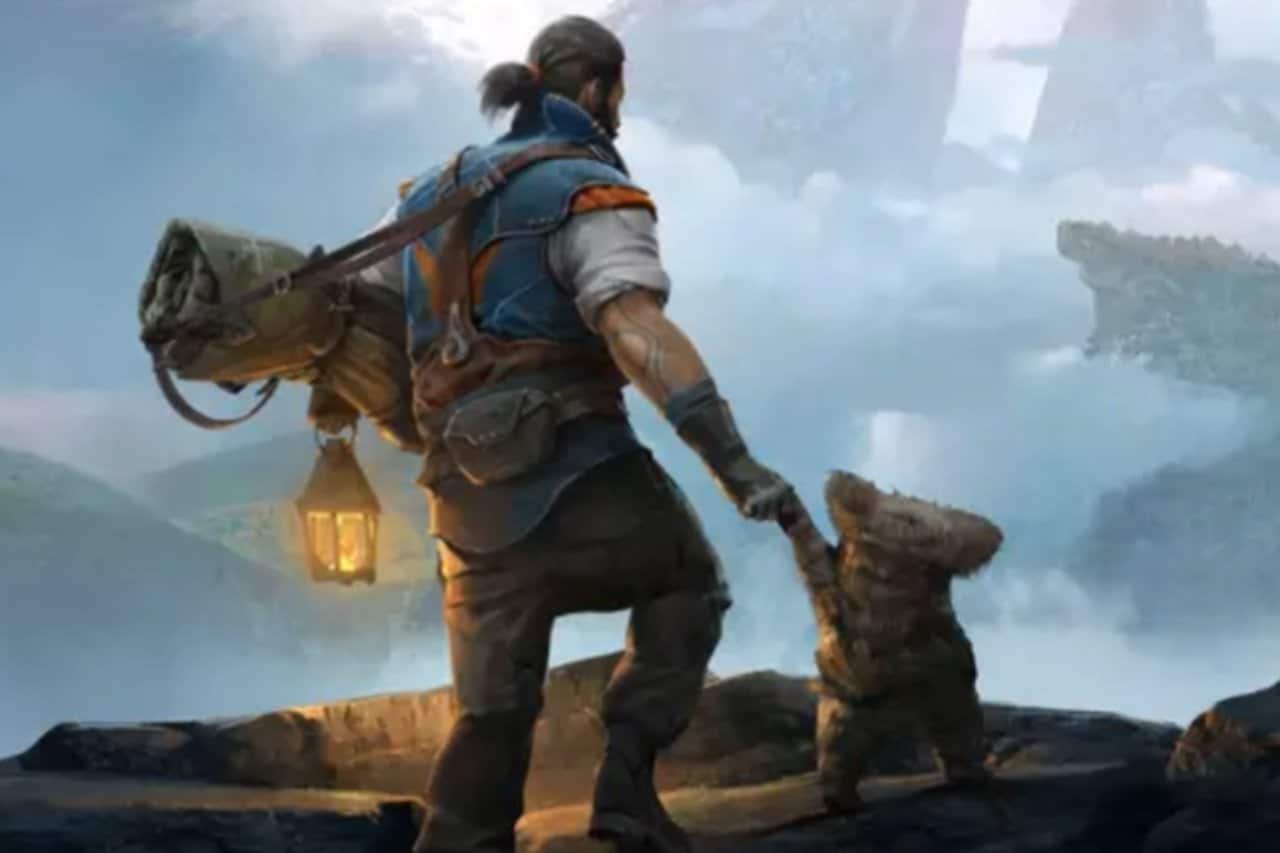
The game Highguard, released in January this year, announced the closure of its servers for March 12th, just two months after its arrival on the digital market. The decision, communicated by developer Wildlight, marks the abrupt end of a title that sought to innovate in the “raid shooter” genre.
The development team, despite their commitment and dedication, was unable to establish a player base robust enough to sustain the project in the long term. Este early shutdown scenario reflects the growing challenges in the online gaming industry, where competitiveness and the need for continuous engagement are crucial.
Since its announcement at The Game Awards 2025, Highguard has already faced skepticism due to the history of failures in similar games and the saturation of the niche. Sua short trajectory is a palpable example of the pressures faced by studios seeking to stand out in a saturated market.
Highguard’s quick farewell to the gaming market

Highguard’s journey was remarkably brief, stretching just over 60 days from its release in January to its closing date on March 12. Este’s meager period contrasts with the expectations of longevity inherent in any live service title, highlighting a failure to captivate and retain its initial audience. The speed of the shutdown announcement surprised many in the gaming community and industry analysts.
In an official statement, studio Wildlight expressed regret, stating that despite “passion and hard work”, it was unable to build a “sustainable player base to support the game in the long term”. Essa justification points to the financial unfeasibility of keeping servers active in the face of an insufficient number of active users and new acquisitions.
The context of the game’s launch is equally relevant. Highguard was the last big highlight of The Game Awards in 2025, an event known for setting trends. However, its presentation was met with considerable rejection, with part of the audience expressing discontent due to the perceived saturation of the genre and the history of failures of titles with similar proposals in the recent past.
Structural and financial challenges
Highguard experienced considerable initial success, reaching over 100,000 concurrent players shortly after launch. Este peak activity, however, proved unsustainable, with the number of active users decreasing drastically in the following weeks. The inability to convert this initial enthusiasm into an engaged and lasting community was a major factor in the game’s decline.
Financial instability quickly manifested itself, leading Wildlight to announce a round of layoffs just weeks after the game became available. Essas headcount reductions are a clear indicator of the economic pressures the studio has faced as it seeks to cut costs amid lower-than-expected performance and a lack of ongoing revenue to cover operational and development expenses.
Secret financing and the loss of Tencent
A report from Bloomberg brought to light crucial details about the internal problems faced by Highguard, revealing that the game had lost vital funding from Tencent. Esta information, kept secret by Wildlight, illustrates the fragility of the project’s financial situation since the early stages of its development and launch.
The withdrawal of financial support from a giant like Tencent represents a severe blow to any game studio. Para to Wildlight, this meant the loss of a support pillar that secretly guaranteed the continuity of the project. Reliance on a single major investor and the subsequent loss of that support were key elements in Highguard’s downward spiral, drastically limiting its ability to recover and adapt.
The absence of this funding directly impacted the studio’s ability to invest in marketing, content expansion, and maintenance of development and support teams. The attempt to hide this loss from the public and the team itself may have generated a climate of internal uncertainty, affecting morale and productivity at a critical moment in the game’s lifespan.
Game mechanics and genre saturation
Highguard was conceived as a “raid shooter”, a genre that combines first-person shooter elements with looting mechanics, base invasions and intense team confrontations. The proposal was to offer a dynamic and engaging experience, where strategy and collective coordination would be essential for players’ success in hostile environments full of challenges.
The game sought, at the same time, to integrate several ideas already tested in similar titles, in an ambitious attempt to forge a unique identity within an already consolidated segment. The expectation was that the intelligent combination of known features, with an original touch from Wildlight, could differentiate Highguard from its direct competitors and attract a significant portion of the public.
However, the reality of the current market is marked by intense saturation in niches such as “raid shooter” and live service games. Inúmeros titles compete for the attention of players, many of them already established and with loyal communities. Este scenario makes it difficult for new IPs to rise, which need to offer a very robust differentiator to capture and maintain the public’s interest.
Strong competition means players have a wide range of options, and the learning curve or need to invest time in a new ecosystem can be significant barriers. The lack of a truly revolutionary proposal, combined with the perception of “more of the same”, contributed to the rapid rejection of Highguard, as observed in The Game Awards and subsequently in its market performance.
Last update before closure
Before the servers are definitively shut down, Wildlight plans to release one last update for Highguard. Esta final update will introduce a new character to the game’s roster, adding yet another strategic option to combat. The inclusion aims to offer players a renewed experience, even if for an extremely limited period.
Furthermore, the update will bring a new weapon to the available arsenal, expanding combat tactics and equipment customization. Serão also implemented improvements to account level progression and skill trees, allowing players to optimize their characters’ performance and unlock new capabilities, providing a brief sense of evolution and completion for those still dedicated to the game.
Critical reception and the post-release scenario
The reception of Essa reação inicial negativa foi atribuída, em grande parte, ao histórico de insucesso de títulos similares e à percepção de que o mercado estava saturado com propostas do mesmo nicho, gerando um desinteresse prévio que dificilmente seria superado.
Despite this gloomy prognosis, the official launch of the game managed to attract more than 100 thousand simultaneous players, a number that, initially, could suggest a good start. However, this ephemeral popularity was not sustained. The player base declined rapidly, revealing that the initial spike was insufficient to establish the long-term sustainability necessary for a live service game. The subsequent round of layoffs at Wildlight just weeks after launch highlighted the gravity of the situation and the rapid deterioration of the project’s financial and success expectations.
The brief trajectory of highguard
Highguard’s trajectory, although short, offers a case study in the challenges inherent in creating and maintaining live service games in an extremely competitive market. Desde the initial enthusiasm until the announcement of its end, the game’s journey was marked by a succession of financial and community engagement obstacles, culminating in the closure of its servers in March.