
A large study by epidemiologists at Instituto Karolinska, in Suécia, demonstrated that the human papillomavirus (HPV) vaccine offers significant protection against invasive cervical cancer for at least 18 years. The research analyzed data from more than 926 thousand women born between 1985 and 2001, with follow-up from 2006 until the end of 2023, revealing significant reductions in the risk of the disease among those vaccinated.
The results indicate that women immunized before the age of 17 had a 79% decrease in the risk of developing cancer compared to those not vaccinated. Para those vaccinated after this age, protection reached 37% overall, with variations reaching 77% in longer periods of observation.
No signs of weakening immunity over time were identified, regardless of the vaccination age group, which reinforces the importance of school immunization programs. The analysis used national health registries to monitor real cases, totaling 930 diagnoses of invasive cancer in the studied population, of which only 97 occurred in vaccinated women.
Details of the methodology adopted
The research involved an extensive population cohort, with 365,000 women who received at least one dose of the quadrivalent HPV vaccine. Data was extracted from Swedish registries that allow continuous health tracking, ensuring accuracy in long-term assessments.
This approach made it possible to observe real patterns of disease incidence, without interference from controlled clinical trials. Scientists adjusted variables such as age, year of birth and socioeconomic factors to isolate the impact of vaccination.
Impacts on global public health
HPV vaccination programs, such as the one implemented in Suécia since 2006, demonstrate the potential to drastically reduce the burden of oncological diseases. The observed protection aligns with recommendations from Organização Mundial and Saúde, which advocates early immunization to maximize benefits.
Other countries with high vaccination coverage report similar declining trends in precancerous lesions. The integration of the vaccine into national calendars contributes to the goals of eliminating cervical cancer as a public health problem by 2030.
Specific reductions by age group
Women vaccinated in adolescence, especially before the age of 17, exhibited the highest protection rates, with a 77% reduction maintained between 13 and 15 years after immunization. Essa age group corresponds to the school period, facilitating access to the vaccine.
For those vaccinated after the age of 17, the initial efficacy was 37%, but increased to 46% between 10 and 12 years of age and 77% in subsequent years. Esses data suggests that the immune response strengthens over time in real contexts.
The lack of decline in protection for up to 18 years eliminates concerns about the immediate need for booster doses. The findings support strategies that prioritize vaccination at young ages to optimize health resources.
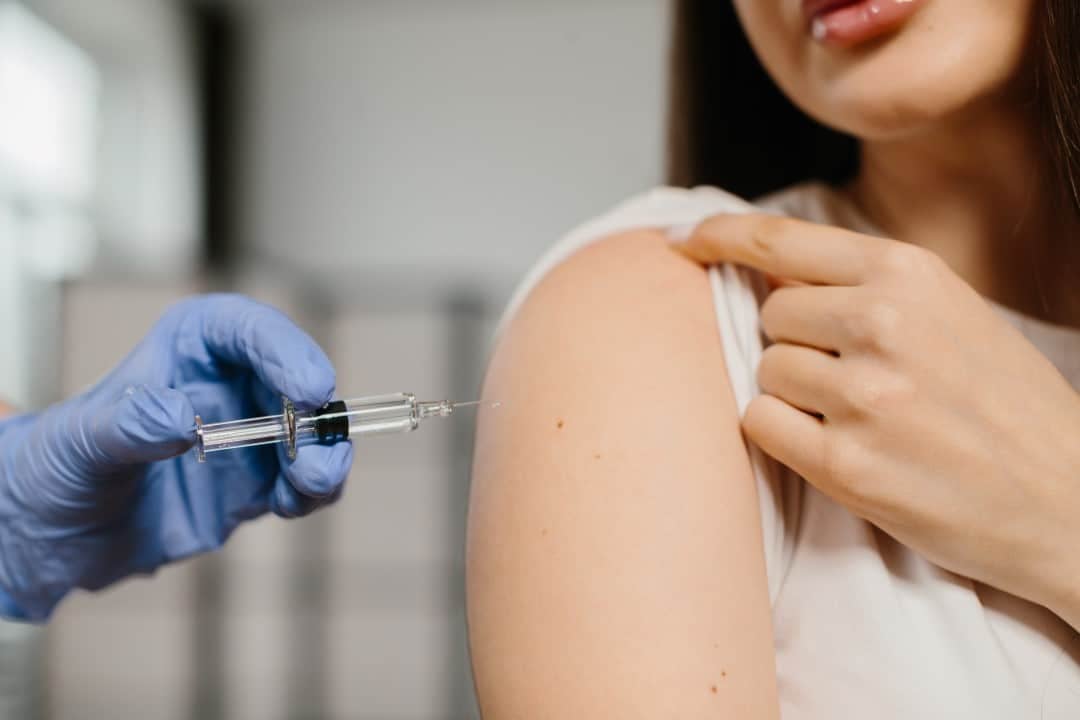
Vaccination coverage and associated challenges
In Suécia, around 39.5% of the studied population received the vaccine, reflecting moderate adherence that still generated measurable impacts. Esforços to increase these rates include educational campaigns and integration with primary health services.
Barriers such as misinformation about vaccine safety persist in some contexts, but accumulating evidence belies significant risks. The promotion of inclusive programs, covering boys and girls, expands prevention against other HPV-related cancers.
Additional evidence of effectiveness
Similar studies in other European countries corroborate the durability of protection against high-grade whiplash injuries. Pesquisas in Escócia, for example, followed more than 270,000 women for 12 years, recording sustained reductions in precancerous changes.
These data reinforce that immunization not only prevents initial infections, but also maintains barriers against progression to invasive cancer. The consistency between different populations validates the vaccine as an essential tool in oncological control strategies.
Benefits beyond cervical cancer
The quadrivalent vaccine covers types of HPV responsible for most cases of cervical cancer, but also offers defense against genital warts and other neoplasms. Registros indicate declines in hospitalizations for conditions associated with the virus in vaccinated populations.
In the global context, nations with single or multiple dose vaccinations see declines in the incidence rates of pre-tumor lesions. Essa coverage contributes to reducing costs in health systems, by reducing the need for costly treatments.
Strategies for expanding immunization
- Increase vaccination coverage in school age groups through partnerships between governments and educational institutions.
- Implement awareness campaigns to combat myths about the vaccine and promote its proven safety.
- Integrate HPV vaccination into preventive health routines, facilitating access in clinics and health centers.
These measures, adopted in countries such as Suécia, result in higher adherence and positive population impacts. International collaboration accelerates the sharing of best practices for eradicating preventable diseases.
Risk analysis and sustained protection
The Swedish research adjusted analyzes to consider incidence rates per 100,000 women, revealing significant drops in vaccinated groups. Para born between 1999 and 2001, rates fell to four cases per 100,000 at age 24.
These numbers contrast with older cohorts, highlighting the protective effect of early immunization. The stability of protection over 18 years suggests that the immune memory induced by the vaccine is robust and long-lasting.
Contributions to vaccination policies
Institutions such as Agência of Saúde Pública of Suécia use this data to refine national guidelines. The emphasis on vaccination before exposure to the virus maximizes efficacy, aligning with evidence of herd immunity in populations with high coverage.
Developing countries can adapt Swedish models by incorporating vaccines into universal health programs. The focus on equity ensures that benefits reach vulnerable groups, reducing inequalities in oncological health.
Future research perspectives
Additional investigations explore protection against other HPV-associated cancers, such as oropharyngeal and anal. Preliminary Dados indicate similar reductions in incidences of these neoplasms in vaccinated populations.
Continuous monitoring of long cohorts allows assessment of whether protection extends beyond 18 years. Parcerias between research institutes and health agencies strengthen the evidence base for updates to vaccine protocols.
The integration of genetic sequencing technologies improves the understanding of viral variants and immune responses. Esses advances pave the way for even more comprehensive vaccines against the full spectrum of HPV types.
Advances in cancer prevention
The Swedish study represents a milestone in validating vaccines as a primary strategy against viral cancers. With more than 365,000 people vaccinated in the sample, the results offer confidence for global expansion of programs.
The 79% reduction in risks for vaccinated young people encourages investments in immunization infrastructure. Países with low coverage can adopt similar approaches to accelerate progress in public health.
Integration with regular scans
Even with vaccination, tests such as Papanicolau remain essential for early detection of injuries. The combination of immunization and screening increases prevention rates, minimizing advanced cases of the disease.
Swedish protocols integrate these elements, resulting in overall declines in cervical cancer mortality. Essa synergy optimizes resources and improves outcomes for patients in integrated health systems.
