

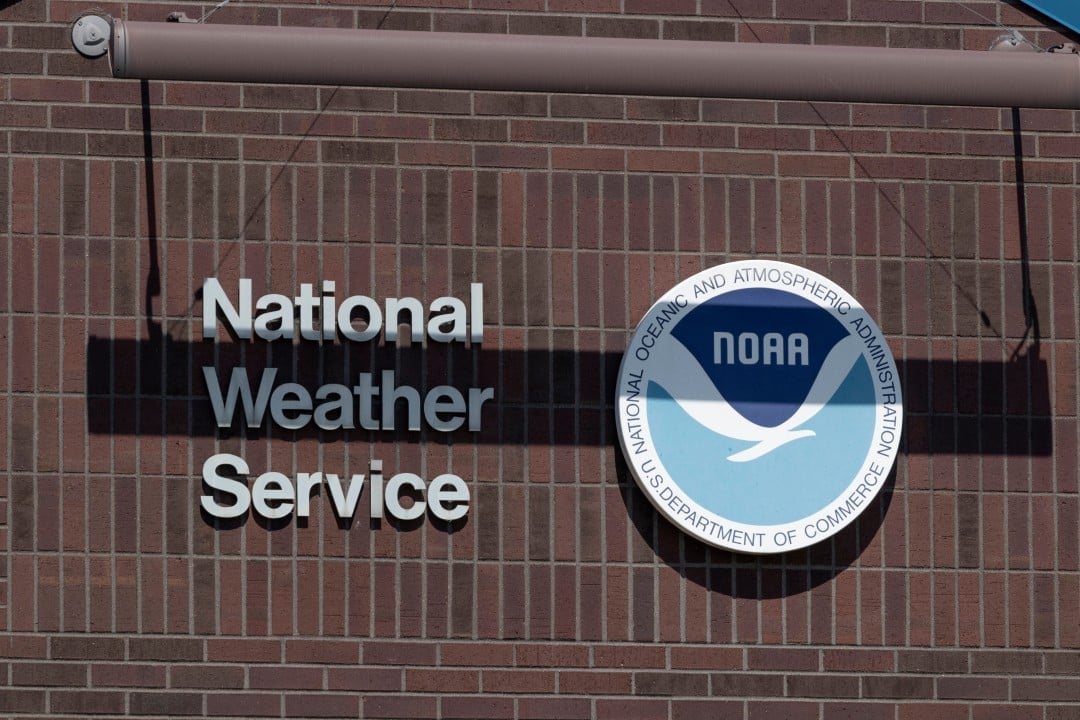
The Serviço Nacional office of Meteorologia (NWS) in Jackson, located in the state of Kentucky, issued a tornado warning on the morning of Wednesday, March 4, as part of an annual statewide drill. The action, however, generated immediate concern among the local population, since the message transmitted did not make it clear that it was just a technical simulation. The test took place promptly at 10:07 am local time, integrating the schedule of Semana of Conscientização on Clima Severo in the region.
The main objective of the operation was to verify the effectiveness of emergency alert systems and ensure that security protocols were functioning properly throughout the territory. Para carry out the simulation, the authorities chose to use real alert codes, triggering the Sistema of Alerta of Emergência (EAS) on several platforms. The broadcast spanned NOAA radio, local television stations, commercial radio stations and cable TV programming outages, simulating a real crisis scenario.

Reports of uncertainty in the population
Several residents of the eastern region of Kentucky reported having received the communication without any explicit indication that it was a scheduled training. Visual and audible messages appeared on the devices as an active tornado warning, which triggered apprehensive reactions in several communities that were not aware of the official timeline. The NWS confirmed receipt of the complaints and said it has begun a detailed analysis of the incident to understand the breakdown in communication.
Authorities explain that the use of real codes is a strategy to increase public participation and test rapid response infrastructure, but the intention is never to cause unnecessary alarm. Although adjustments were made in specific regions, such as the north of the state, to differentiate the test from reality, the clarity of the message was not uniform in all areas affected by the transmission.
Security Protocols and Review
The NWS office at Jackson stated that it is internally reviewing the processes for writing and transmitting test messages to identify where the error occurred. The investigation seeks to determine whether there were human errors in the configuration of the alert or technical problems in the propagation of the signal by operators and emergency systems. Medidas corrections must be implemented in upcoming exercises to ensure that the distinction between simulation and real threat is evident to all citizens.
– The annual exercise continues to be a vital tool to prepare the population against severe weather events, which are frequent in the region.
– Durante the testing period, participants in schools, homes, and workplaces were instructed to practice their safe shelter plans.
– The official recommendation in real cases involves seeking immediate protection in basements or internal rooms without windows on the lowest floor of buildings.
There was no actual severe weather forecast at the time of the simulation, which allowed the procedure to follow the schedule planned by public safety authorities. The agencies’ focus remains on continually improving collective preparedness, using resident feedback and reports of confusion as a basis for improving the state’s warning system and reducing risk in future imminent danger situations.