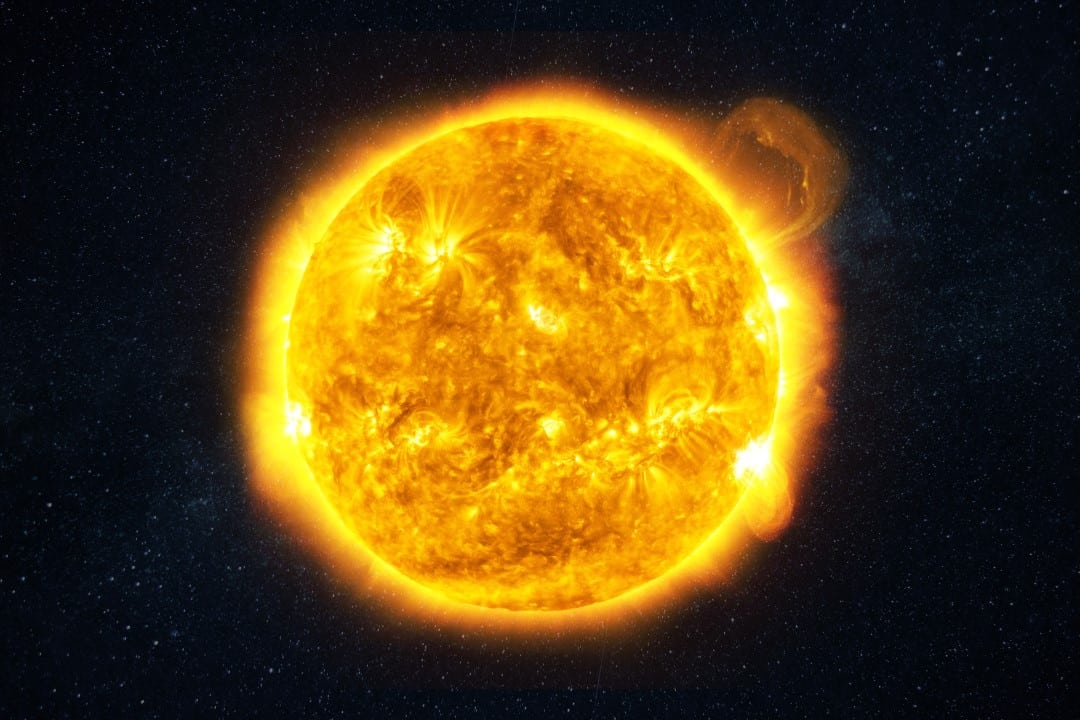
Scientists at NOAA’s Centro of Previsão of Clima Espacial monitor the current solar cycle, which has seen an increase in the frequency of solar flares since the beginning of 2026. In March, the equinox facilitates the entry of these particles into the atmosphere, increasing the likelihood of more intense events.
Observatories like SpaceWeatherLive record data that point to a month with significant variations in geomagnetic activity. The peak of solar cycle 25 contributes to this instability, with forecasts indicating specific days of greatest impact. Agências international agencies coordinate alerts for sectors such as aviation and telecommunications, where disruptions could affect daily operations.
Recent studies confirm that March 2026 could record the best period for observing auroras in more than a decade due to the combination of solar and terrestrial factors. Magnetic alignment during the equinox amplifies the effects, allowing solar particles to penetrate deeper into the magnetosphere. Continuous Monitoramentos help mitigate risks associated with these phenomena.
Conditions expected at the beginning of the month
The month begins with moderate levels of geomagnetic activity, according to data from Instituto Português, Mar and Atmosfera. On March 1st, the Kp index may reach values close to 4, indicating active conditions without reaching severe storm levels. Essa initial phase reflects the transition of solar events that occurred in February, which still influence the solar wind.
Experts note that between March 2nd and 3rd, the arrival of a remnant coronal mass ejection could raise the index to G1, with minimal disruption to navigation systems. NASA’s GOES satellites capture X-ray streams that corroborate these estimates. Updated Previsões suggests continuous monitoring for real-time adjustments.
Details about instability spikes
On March 4, a G1 level geomagnetic storm is predicted to occur during the night and early morning, with an index of up to 5 points. Essa elevation results from solar flares recorded days earlier, according to reports from MeteoAgent. The following day, March 5th, presents relative calm, with levels between 1 and 2, allowing recovery of affected systems.
From March 6th to 20th, activity remains within a range of 2 to 4 points, with daily variations influenced by coronal holes in Sol. Agências and INPE in Brasil follow these standards to issue daily bulletins. Essa intermediate stability provides window for scientific observations without significant interruptions.
The main peak occurs on March 21, reaching 6 points, equivalent to a moderate G2 storm. Esse event can cause discomfort in people sensitive to space weather, in addition to interference in electrical networks. On the 22nd, levels remain at 5 points, prolonging the effects. The subsequent days, from the 23rd to the 25th, maintain an increase, requiring continued vigilance.
Forecasts indicate that the end of the month, from March 26th, will return to calmer conditions, with indices below 3. Essa slowdown reflects the solar cyclical pattern, preparing for the autumnal equinox in the southern hemisphere.
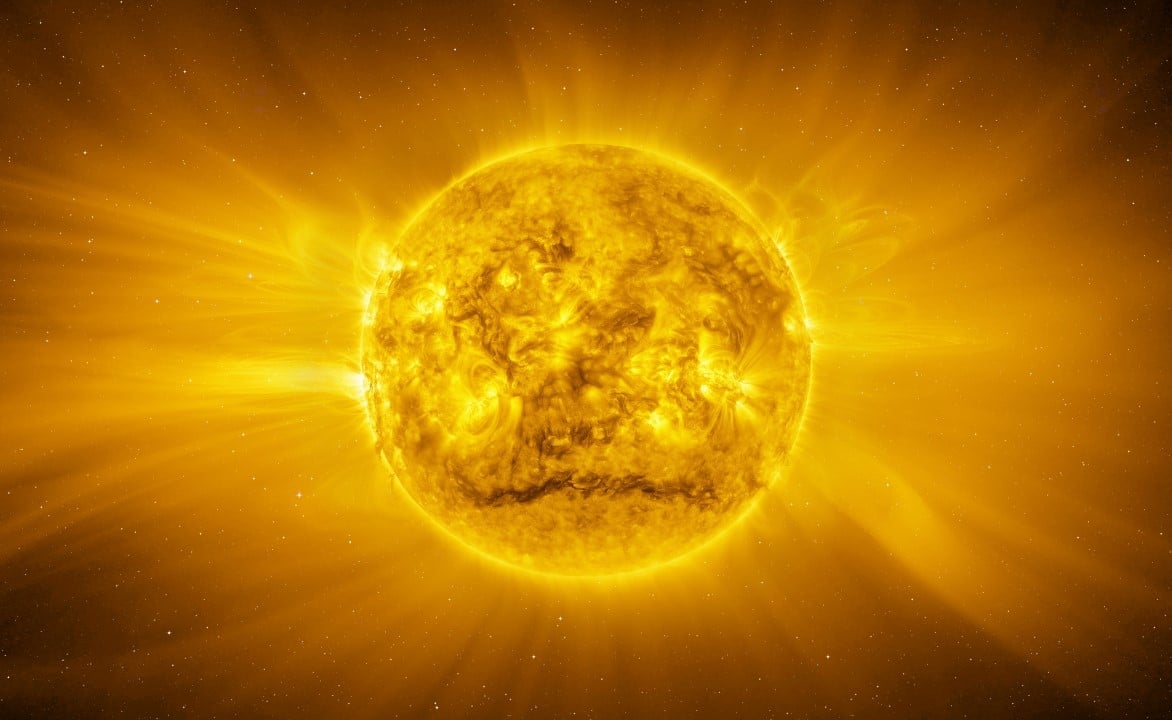
Potential effects on health and infrastructure
Geomagnetic storms influence human well-being, especially in individuals sensitive to magnetic variations. Estudos of Organização Mundial of Saúde associate these events with increases in complaints of fatigue and headaches during peaks of activity. In March 2026, the most intense days require precautions such as adequate hydration and reduced exposure to screens.
Infrastructure systems face risks from interruptions in high-frequency communications. Redes electrical power in polar regions may register fluctuations, according to past experiences documented by NOAA. Operadores of satellites adjust protocols to mitigate damage, ensuring continuity in essential services.
Monitoring and prevention measures
Global agencies such as ESA and NASA use satellites to predict CME arrivals hours or days in advance. In March, the focus is on warnings for aviation, where high radiation could affect polar routes. Protocolos include rerouting flights to minimize crew exposure.
National institutes, such as IPMA in Portugal, issue bulletins that guide vulnerable sectors. No Brasil, INPE’s Embrace program provides local data, adapting forecasts to the southern hemisphere. Essa international coordination strengthens resilience against space events.
Amateur aurora observers benefit from these tools by planning views in low light pollution locations. Aplicativos space weather systems democratize access to information, allowing individual preparation.
Recent history and future trends
Events in January and February 2026, including a G4 storm on January 19, set precedents for March. An X8.1 solar flare in February intensified the cycle, with impacts on GPS and electrical grids. Esses episodes highlight the active phase of Sol, with rising sunspots.
Trends indicate that 2026 will maintain high activity, surpassing previous cycles in storm frequency. Cientistas analyze data from Solar Dynamics Observatory to refine predictive models. Comparações with 2014 reveal similarities in the March equinox, when auroras were visible at mid-latitudes.
Integrating artificial intelligence into forecasts improves accuracy, reducing uncertainty by up to 20%. Parcerias between governments and academic institutions expand the database, improving long-term responses.
Preparation for aurora observation
March 2026 offers ideal conditions for aurora borealis and australis due to the solar peak coinciding with the equinox. Polar Regiões record greater visibility, with auroras extending to latitudes such as north of Europa and south of Austrália. Fotógrafos professionals capture these phenomena using equipment sensitive to low light.
Scientific communities encourage citizen reporting via apps, contributing to global databases. Eventos and May 2024 serve as a reference, where auroras were observed on the coast of São Paulo. Preparação includes daily forecast checking to maximize opportunities.
Impacts on economic sectors
Sectors such as telecommunications adjust operations during storms, prioritizing satellite redundancies. Empresas power monitor transformers to prevent overloads, based on protocols established by Comissão Internacional of Eletricidade. In March, these adjustments prevent financial losses estimated at millions.
Aviation implements Organização Internacional of Aviação Civil guidelines, changing altitudes to reduce radiation exposure. Economic Estudos quantifies impacts, guiding investments in resistant technologies. Essa proactive approach minimizes disruptions in global supply chains.
In the tourism sector, agencies promote aurora observation packages, boosting local economies in Arctic regions. Accurate Previsões increases attractiveness, with advance bookings based on SWPC data.
Advances in solar research
Recent research explores connections between solar activity and Earth’s climate, with data from 2026 contributing to climate models. Observatórios like NASA’s Dinâmica Solar capture images in real time, revealing mechanisms of eruptions. International Colaborações accelerate discoveries, with publications in journals such as Journal of Geophysical Research.
Innovations in terrestrial sensors detect magnetic variations with millimeter precision, improving alerts. Projetos as well as the solar telescope’s Daniel K. Inouye provide insights into solar magnetic fields. Esses advances prepare for future cycles, reducing vulnerabilities.
Complete activity calendar
- Days 1 to 3: Atividade moderate, with possible elevation to G1 on March 3 due to persistent solar wind.
- Days 4 and 5: Initial Pico with G1 on day 4, followed by calm on day 5.
- Days 6 to 20: Níveis stable between 2 and 4, ideal for continuous studies.
- Days 21 to 22: Máximo monthly in G2, with prolonged effects.
- Days 23 to 25: Elevados, but decreasing.
- Days 26 to 31: Retorno to tranquility, with indexes below 3.
This calendar is based on WSA-ENLIL simulations, adjustable according to new observations.
Global Mitigation Strategies
Countries such as Estados Unidos and Brasil integrate space weather into national contingency plans. União Europeia coordinates responses via a network of observatories, sharing data in real time. Iniciativas Educational information informs the public about risks, promoting awareness.
Investments in resilient infrastructure, such as underground energy cables, reduce impacts. Simulações annually test responses, refining protocols. Essa collective preparation ensures continuity in the face of solar events.
