

Dacia has officially confirmed the nomenclature of its next strategic launch for the automotive market, naming the unprecedented C-segment vehicle as Striker. The model, which has a global presentation scheduled for March 10th, arrives with the mission of expanding the Romanian manufacturer’s presence in higher categories, positioning itself just above the Jogger and sharing the technical architecture with the recent successes Duster and Bigster.
The automaker’s proposal is to offer a car that combines the versatility of a classic station wagon with the visual robustness of modern crossovers. Imagens preliminaries already indicate an aesthetic aligned with the brand’s new visual identity, focusing on angular lines and functionality for daily use and long trips, seeking to serve families who need space and savings.
Visual details and name inspiration
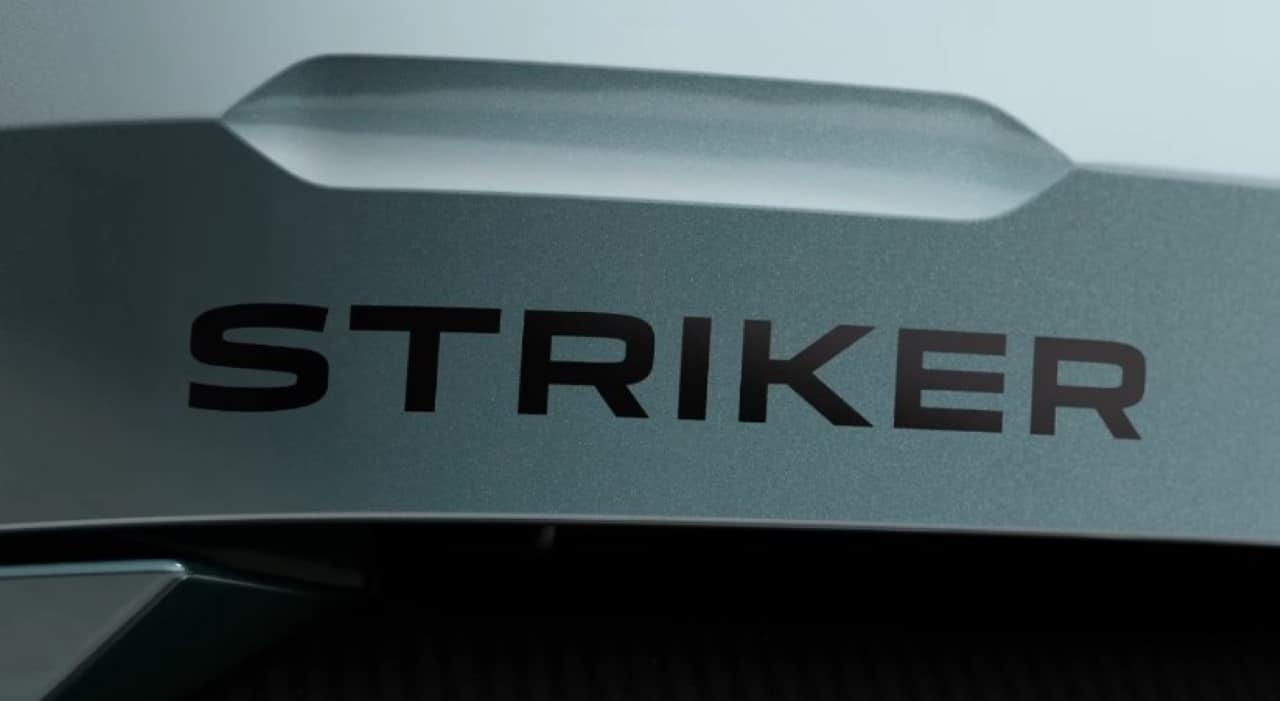
The teaser released by the company reveals a rear marked by LED lights with an angular design and the inscription of the model name centered on the trunk lid. The choice of the term Striker seeks to evoke precision and strength, maintaining the brand’s tradition of using the “ER” ending in its commercial and family vehicles.
The body features black finishes that outline the base of the vehicle, reinforcing the adventurous aesthetic typical of crossovers, while the light blue paintwork suggests a youthful approach. The elongated silhouette confirms the intention of offering ample interior space, an essential feature to compete in the mid-size station wagon segment.
Experts point out that the front design should follow the blocked grille pattern with the new Dacia logo, creating visual unity with the rest of the range. The high height in relation to the ground is another difference that promises to attract consumers looking for a car capable of tackling slightly uneven terrain without giving up comfort.
Modular platform and motorization
Built on the CMF-B platform, widely used by the Grupo Renault, the new vehicle benefits from a flexible architecture that allows for diverse mechanical configurations. Engineering focused on maintaining front-wheel drive as standard for most versions, although an all-wheel drive variant is not ruled out for specific grip situations.
The engine portfolio should include gasoline and LPG options, as well as electrified systems that include mild hybrid and full hybrid variants. Essa strategy aims to meet strict European emissions standards, ensuring energy efficiency and low maintenance costs, fundamental pillars of the brand’s philosophy.
Strategic positioning and production
The launch of the Striker represents a calculated move to capture customers looking for affordable alternatives in the station wagon segment, competing directly with consolidated models such as the Skoda Octavia Combi. Production will be concentrated at the Turquia factory, a logistical decision that aims to free up industrial capacity at Romênia for the manufacture of the company’s other sports utility vehicles. The expectation is that sales will officially begin at Europa in the second half of 2026, consolidating the expansion of Dacia into more profitable and demanding market ranges.
Functionality and interior finish
The vehicle’s interior was designed with durability and practicality in mind, with extensive use of recycled materials and easy-to-clean surfaces. The YouClip system, which allows the attachment of modular accessories, will be present to facilitate the organization of objects and leisure equipment during travel.
The trunk promises to be one of the largest in its category, meeting the demand of families who need generous space for luggage and bulky equipment. The intelligent simplicity of the dashboard and controls aims to keep the price competitive, without sacrificing ergonomics or essential connectivity for the modern driver.



