

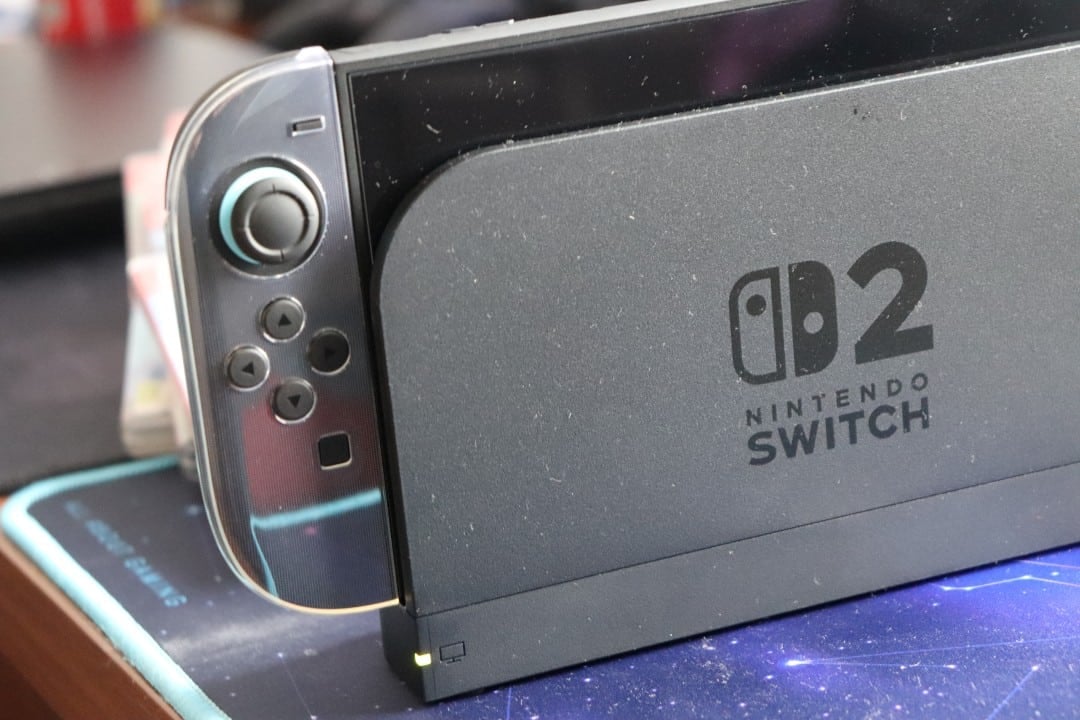
Nintendo Switch 2 faces challenges that may limit its attractiveness to third-party developers. An analyst warned that the console runs the risk of consolidating itself as a platform dedicated mainly to Nintendo’s own titles. Essa situation comes amid a global storage crisis driven by demand for artificial intelligence hardware.
Prices for NAND flash memory, essential for storage components, are showing significant increases. Contratos of this type of memory should increase by up to 90% in the current quarter compared to the previous period, when they had already registered an increase of more than 30%. Manufacturer Nextorage has raised the price of 256 GB Express microSD cards compatible with the Switch 2 to around US$85, an increase of approximately 30% since the console’s launch in June.
Impact on console internal storage
The Nintendo Switch 2 only has 256 GB of internal memory. Muitos Current games take up considerable space, making expansion via Express microSD cards practically essential for users.
Players report greater caution when purchasing new titles due to additional storage costs. Essa trend directly affects software consumption, the main source of profit for Nintendo, which operates with tight hardware margins.
Hardware vs Software Sales
The console has already reached 17.37 million units sold. However, the average number of games purchased per device is 2.18. At the same sales stage, the original Switch registered 3.88 games per console.
Most software purchases are concentrated on first-party titles from Nintendo. Isso reinforces the perception that the device is primarily used for the company’s games.
Risk highlighted by analyst
Pelham Smithers, director of consultancy Pelham Smithers Associates, highlighted the danger of this dynamic. If the Switch 2 gains a reputation as an exclusive platform for Nintendo games, third-party studios may reduce investment in the console. Essa decision would initiate a negative domino effect in the interests of consumers.
Drop in Nintendo shares
Since the launch of Switch 2, shares of Nintendo have fallen nearly 30%. Apenas on the current day, the company recorded a drop of 1.44%. External Fatores, such as Estados Unidos tariffs and possible increases in transport costs due to the conflict in Oriente Médio, increase pressure on the company.
Factors that influence the ecosystem
The combination of limited storage and high expansion prices reduces the appetite for heavier games, common in third-party productions. Usuários prioritize first-party titles, which are often optimized for the hardware.
Nintendo relies heavily on software sales to offset reduced margins on hardware. The current imbalance between hardware and software signals the need for adjustments in the ecosystem.
Perspectives for developers
Third-party studios evaluate the return on investment in Switch 2. Custos increasing memory cards and predominant focus on Nintendo games may discourage ports and exclusives.
The situation reflects broader challenges in the industry, with demand for NAND driven by AI applications. Fabricantes indicate that increases are likely to persist in the short term.