

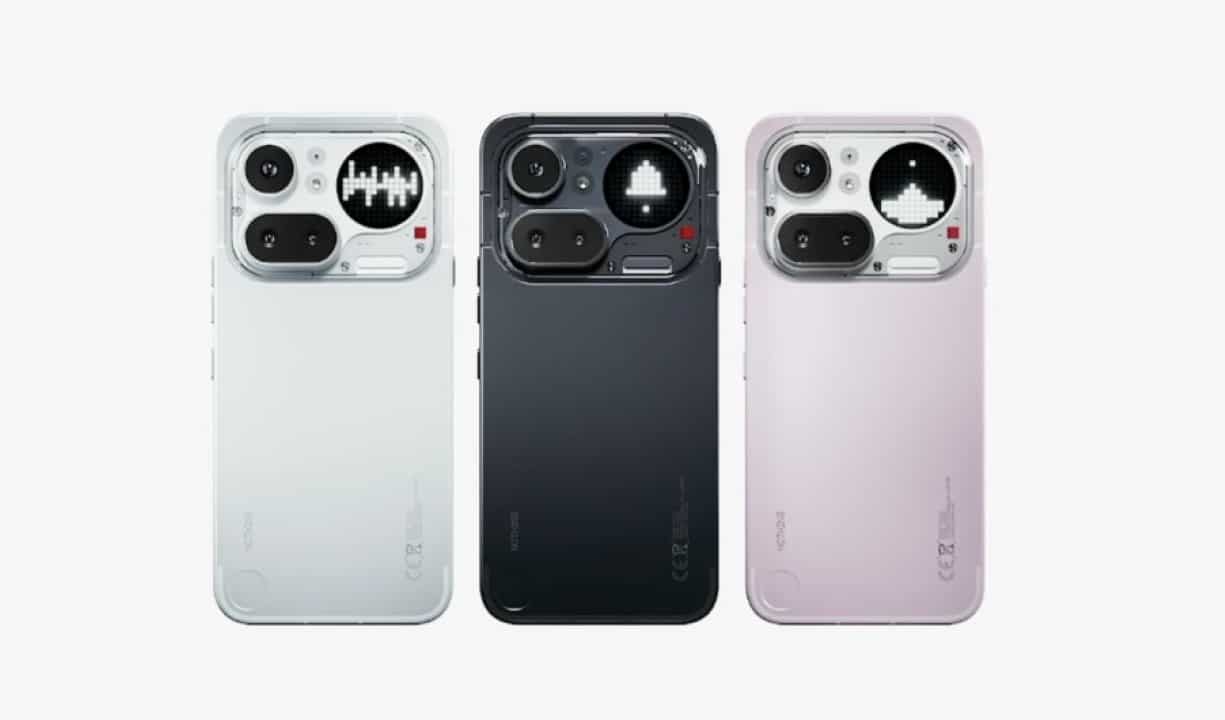
Nothing, a technology company based in Londres, recently launched the Phone 4a, an intermediate model that succeeds the Phone 3a, presented the previous year. The new device maintains the characteristic design with transparent elements, but incorporates hardware improvements that aim to attract users looking for balanced performance without excessively increasing costs. In markets such as Europa and Índia, the Phone 4a is now available at starting prices that vary by region, while the Phone 3a remains a more affordable option for those who prioritize saving.
Industry experts highlight that the Phone 4a features an Snapdragon 7s Gen 4 processor, an evolution of the Snapdragon 7s Gen 3 present in its predecessor. Essa update results in gains in energy efficiency and speed in everyday tasks such as browsing and multitasking. The latest model also features a 6.78-inch AMOLED screen with 1.5K resolution, higher than the FHD+ of the Phone 3a, which improves visual quality in high definition content.
Both devices share similarities in IP64 dust and water resistance, as well as RAM and storage options ranging from 8GB to 12GB and 128GB to 256GB. However, the Phone 4a adopts UFS 3.1 storage, which is faster than the UFS 2.2 of the Phone 3a, speeding up access to files and applications. The company emphasizes that these changes meet the demands of users who use their smartphones for light gaming and productivity.
Performance and processor in focus
The Snapdragon 7s Esses results indicate smoother execution of demanding applications such as video editors or graphics-intensive games. Nothing has optimized the Nothing OS 4.1 software based on Android 16 to better exploit this hardware, reducing latencies in screen transitions.
Users who have tested prototypes report that the Phone 4a manages heat better during extended sessions, avoiding performance reductions that occasionally plague the previous model. Essa stability is due to improvements in the integrated cooling system, although both devices maintain similar plastic and glass structures. Para daily tasks, such as social media and calls, the differences are subtle but noticeable in multitask scenarios.
https://twitter.com/ShishirShelke1/status/2029521186099712046?ref_src=twsrc%5EtfwCamera and photography updates
The rear camera setup on both models includes 50 MP main and ultrawide sensors, but the Phone 4a introduces a periscope telephoto lens with 3.5x optical zoom, surpassing the 2x zoom of the Phone 3a. Essa new feature allows for more detailed captures of distant objects, ideal for urban photography or sporting events. The 32 MP front camera remains identical, ensuring consistent selfies on both versions.
Image processing on the Phone 4a benefits from improved algorithms, resulting in photos with greater dynamic range and reduced noise in low-light conditions. Testes comparisons show that the new model handles contrasts better, avoiding overexposures common in its predecessor. Para videos both support 4K recording, but the Phone 4a offers more effective stabilization thanks to the upgraded processor.
Integration of AI features such as automatic scene detection elevates usability in both, although the Phone 4a processes these adjustments more quickly. Usuários casuals may not notice major disparities, but amateur photographers value the extra zoom for creative compositions.
Battery and autonomy compared
The Phone 4a features a 5,080 mAh battery in the global version and 5,400 mAh in the Indian version, slightly larger than the 5,000 mAh in the Phone 3a. Essa extra capacity translates into up to an additional hour of moderate use, according to data from independent laboratories. Ambos support 50W fast charging, reaching 50% in about 20 minutes with compatible adapters.
Improved power efficiency in the Phone 4a chipset contributes to extended standby duration, reducing background consumption. In real-world testing, the new model sustains GPS navigation for longer periods without draining quickly. Para users with intense routines, such as professionals in the field, this difference could mean fewer daily recharges.
Design and construction analyzed
Both smartphones adopt plastic frames with a glass back panel, maintaining the Nothing’s visual signature with transparent elements that reveal internal components. The Phone 4a innovates with the Glyph Bar, a redesigned LED bar that replaces the Glyph LED on the Phone 3a, offering more discreet visual notifications. Essa change divides opinions, with some preferring the predecessor’s classic design for its familiarity.
Screen protection varies: the Phone 4a uses Gorilla Glass 7i, which is more scratch-resistant than the Panda Glass of the Phone 3a. Dimensões and weight are similar, making the transition easier for those upgrading the device. Available Cores include black, white and vibrant options, adapting to varied aesthetic preferences. The ergonomics remain comfortable for one-handed use despite the large screens.
In terms of durability, the IP64 certification guarantees protection against splashes and dust in everyday environments. Usuários report that both resist light falls well, although cases are recommended for greater safety. The Phone 4a, with its refined construction, conveys a slightly superior premium feel.
Prices and market availability
At launch, the Phone 4a starts at €330 at Europa and ₹31,999 at Índia, placing it above the Phone 3a, which starts at €349 at Essa price difference reflects upgrades in performance and camera, but may deter cost-sensitive buyers. Promoções initials at online retailers mitigate the impact, making the new model more accessible in bundles with accessories.
Global availability covers key markets, with fast shipping via official and partner websites. The Phone 3a, already established, benefits from frequent discounts, making it attractive for limited budgets. Analistas expect the Phone 4a to gain traction among gamers and content creators, while its predecessor caters to basic users.
Software updates promised by Nothing include three years of support for both, ensuring longevity. Comparações in online forums highlight that the Phone 4a is worth the investment for those planning long-term use.
Software features and usability
Nothing OS 4.1 in Phone 4a introduces tools like Essential Space, a dedicated space for AI-driven notes and reminders, missing in Nothing OS 4.0 in Essa functionality organizes daily tasks intuitively, integrating with calendars and notifications. The clean, minimalist Interface remains consistent, prioritizing speed over visual overload.
Customizations in Glyph allow for unique alert configurations, such as light patterns for specific contacts. Usuários appreciate the integration with third-party applications, facilitating synchronizations. Para productivity, the Phone 4a multitasks with fewer crashes, benefiting remote professionals.
Biometric security via fingerprint reader under the screen operates identically, with quick unlocks on both. Recursos of privacy, like granular permissions control, addresses modern data concerns.
User reviews and initial testing
Reports from early adopters indicate that the Phone 4a outperforms the 3a in gaming scenarios, with more stable frames in popular titles. The brighter screen, reaching 4,500 peak nits, improves visibility in sunny outdoors. Críticas to Phone 3a focus on their limited zoom, resolved in the successor.
Independent comparisons confirm gains of 19% in graphics performance on the Phone 4a, positively impacting immersive experiences. Para night photography, the new model captures sharper details, reducing blur. Casual Usuários, however, find equal value in the Phone 3a for basic use.
Recommendations for different profiles
For technology enthusiasts who value innovations, the Phone 4a emerges as the top choice due to its periscope zoom and enlarged battery. Estudantes and professionals with moderate budgets can opt for the Phone 3a, which offers solid performance at a reduced price. Ambas options compete well in the mid-range segment, challenging rivals like the Samsung and Google.
Factors such as design preference influence the decision: those who like the Glyph Bar are inclined towards the new model. In short, the upgrade is justified for significant upgrades, but the predecessor remains viable for immediate savings.