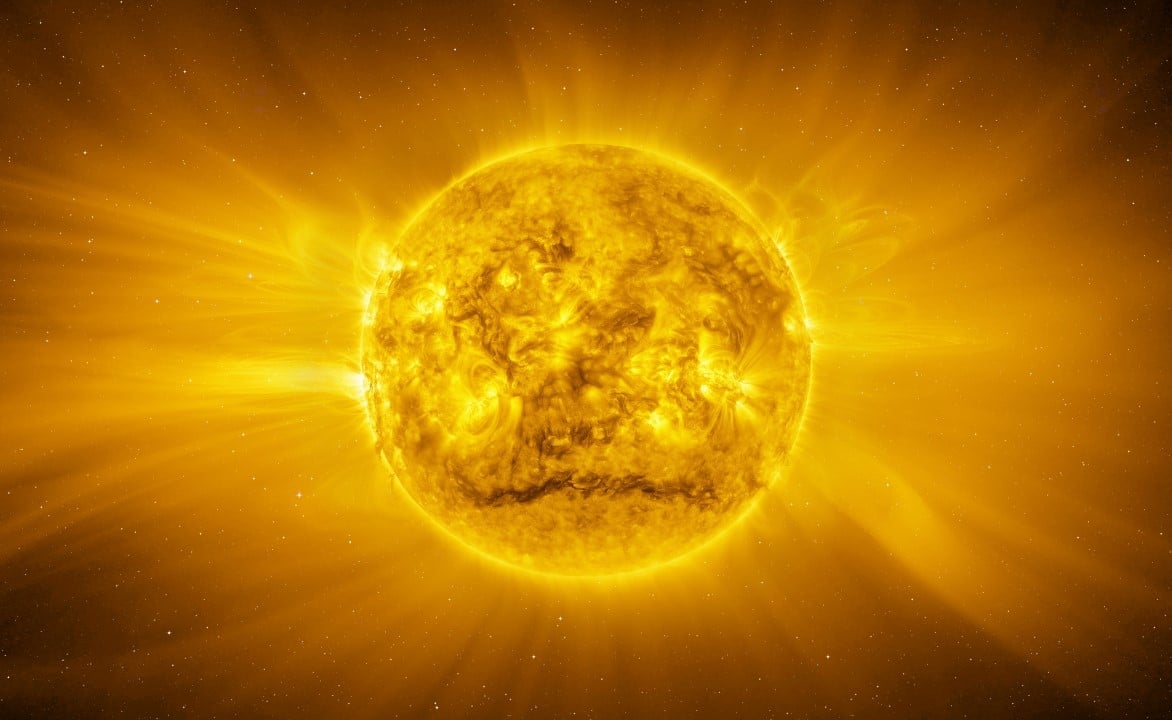
Omsk records high geomagnetic activity between March 4th and 7th, 2026. A G1 level storm occurred unexpectedly in the early hours of the 4th, peaking between 3am and 6am local time. The phenomenon resulted from internal excitation in the magnetosphere, with no direct link to recent solar ejections. Após the peak, the intensity gradually decreased, but remnants of oscillations persisted until early morning.
Experts are monitoring the situation and indicate that the 5th should present calmer conditions. Para on the 6th and 7th, a new increase is expected in the first half of the daytime period, with the Kp index reaching 4 points. Essas variations can influence the well-being of people sensitive to space weather.
Detailed forecast for critical days
The initial storm on the 4th was surprising due to the speed of installation and dissipation. Oscilações reached values that classify the event as G1 on the NOAA scale. The local magnetosphere in Omsk reacted with greater sensitivity due to the region’s latitude.
On the 6th, disturbances should be concentrated in the morning hours. The predicted Kp index indicates moderate agitation. Já on the 7th, the trend remains similar, with a possible decline throughout the afternoon.
These geomagnetic variations occur in a month that presents periods of greater instability. Omsk, located in a mid-latitude zone, tends to record more noticeable effects in events of this type.
Calendar of unfavorable days in March
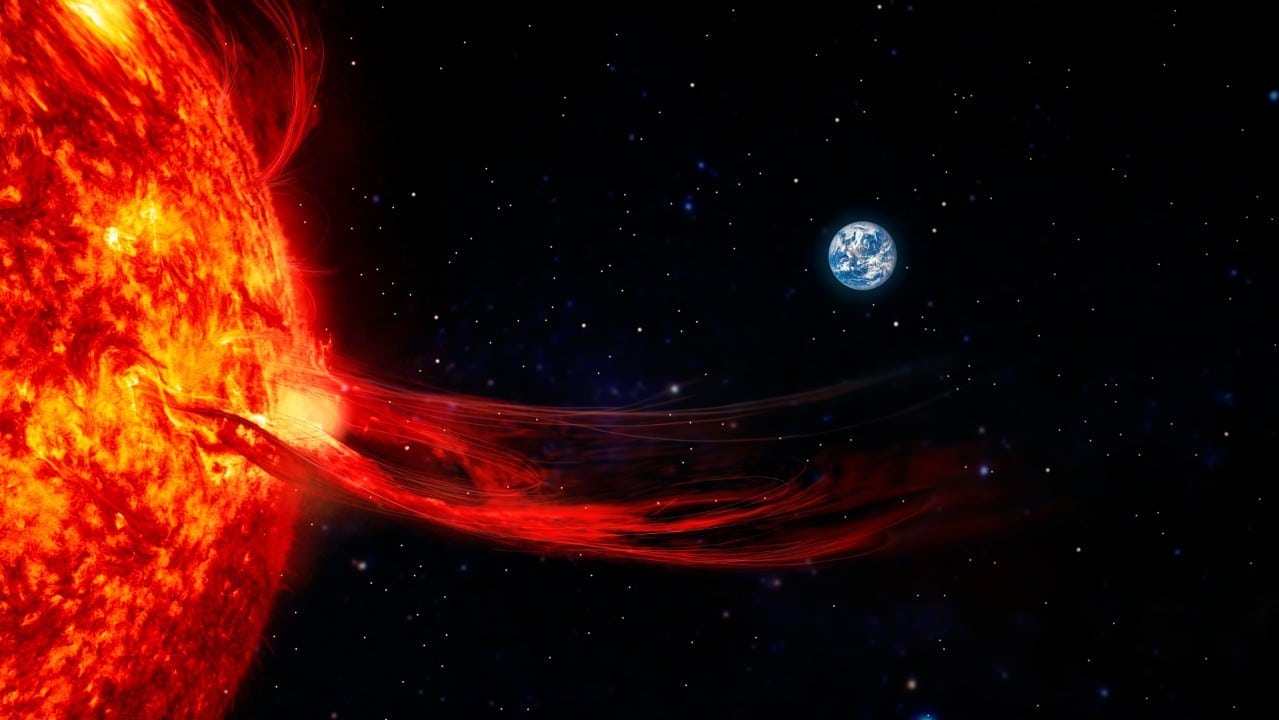
The month of March 2026 features several intervals of geomagnetic excitation. The main ones occur between March 12th and 20th, when the Kp index can approach 4 points on a prolonged basis.
Additional periods of unrest include March 23 and 24, with similar swings. Após on the 25th, the magnetosphere tends to stabilize, maintaining favorable conditions until the end of the month.
- March 1st to 3rd: predominance of calm or small variations.
- March 4th to 7th: moderate fluctuations with localized peaks.
- March 12th to 20th: longest period of instability.
- March 21st to 22nd: brief calm.
- March 23 to 24: new increase in activity.
- From March 25th: return to stability.
Common symptoms in sensitive people
Individuals with sensitivity to geomagnetic variations often report severe headaches during peaks of activity. Enxaquecas may worsen, accompanied by changes in blood pressure.
Generalized weakness appears even without intense physical exertion. Problemas of sleep intensify, with insomnia or fragmented sleep. Irritabilidade and anxiety increase, affecting concentration in everyday life.
Chronic cardiovascular conditions, such as hypertension and ischemic problems, tend to worsen during these periods. Idosos and people with vegetative vascular disorders form the highest risk group.
Recommended precautionary measures
Experts advise maintaining a sleep routine lasting at least seven to eight hours per night. Reduzir intense physical exertion helps to minimize the effects. Caminhadas spending 20 to 30 minutes outdoors favors adaptation.
Adequate hydration is essential, with regular water intake throughout the day. Evitar excessive consumption of caffeine and alcohol contributes to controlling symptoms. Monitorar daily blood pressure allows early changes to be identified.
Continuous monitoring of solar activity
Current solar activity directly influences these geomagnetic events. Embora March presents periods of greater instability, most days remain at low or moderate levels.
Updated forecasts indicate no severe storms in the near term for the region. Fontes international and local companies monitor variations in real time for necessary adjustments.
