

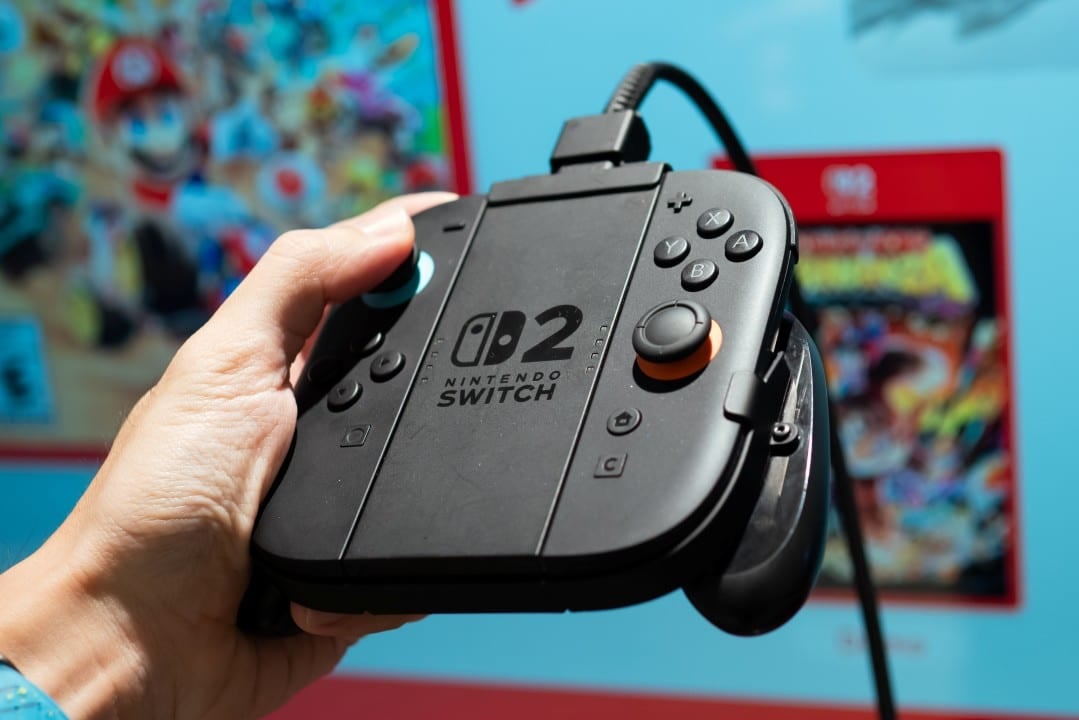
The Nintendo Switch 2 faces challenges from the global NAND memory crisis, which drives up prices for Express microSD cards needed to expand its internal 256GB. Lançado in June 2025, the console sold 17.37 million units, but the average number of games per user dropped to 2.18, compared to 3.88 for the original Switch at the same stage. Analistas point out that users prioritize titles from Nintendo due to extra storage costs.
Users report difficulties installing multiple games, as recent titles take up up to half of the internal capacity. AI hardware production drives demand for NAND, with contracts rising up to 90% this quarter. Empresas as Nextorage Corp. increased prices for 256GB cards by 30% to ¥13,350, or about US$85.
- NAND flash prices rose 8% recently, impacting accessories.
- Express microSD cards are out of stock in Japanese stores due to shortages.
- Third-party games, like Electronic Arts, require more space, increasing effective costs by US$20 per title.
Nintendo maintains tight margins on hardware, pressured by US tariffs and tensions at Oriente Médio that affect shipping.
Escalating memory costs
The race for AI chips has driven 30% to 90% increases in NAND prices in recent quarters. Fabricantes redirect production to data centers, leaving consumers with limited and expensive options. No Switch 2, this forces selective game purchases.
Express 256 GB microSD cards, essential for expansion up to 2 TB, became rare items in the Japão. Lojas and Techhouse Toei confirm zero stocks in capacities from 256 GB to 2 TB. Usuários opt for first-party to save space and money.
Hardware sales surpass predecessor
Switch 2 reached 17.37 million units in less time than the original. Apesar Furthermore, software does not keep up with the expected pace. The average of 2.18 games per console reflects caution with storage.
Pelham Smithers, from Pelham Smithers Associates, warns of a vicious cycle. If the console gains the image of a “vehicle only for Nintendo”, third parties may reduce investments. The company’s Ações have fallen almost 30% since launch, with a drop of 1.44% this Thursday (5), at 4:45 am (US Eastern Standard Time).
Impact on microSD cards Express
Prices for 256 GB jumped to US$89.99 at Amazon, passing costs on to players. Escassez affects up to 2TB, with empty shelves at Asian retailers. Nintendo does not comment on direct increases, but analysts see inevitable pressure.
Third-party developers face dilemmas with larger games. Títulos like EA’s require more NAND, making ports less economically viable. Consumidores prioritizes Zelda or Mario to avoid expensive expansions.
Users on Japão buy remaining stocks before AI firms. Isso worsens the crisis, expected to continue beyond 2030 according to Phison CEO.
Nintendo Strategies for Storage
The company is betting on mass production to reduce future costs. However, initial margins were already low at Switch 2. Tarifas and high freight added to the problem.
Reports indicate smaller 16GB and 32GB cartridges are in development. Isso offers an alternative to Game-Key Cards, but NAND delays persist. Fabricantes avoid expensive 64GB, estimated at $16 each.
- 16 GB: Para indies and light ports.
- 32 GB: Opção viable intermediate.
- Expected delays due to shortages of components.
Nintendo raised its sales forecast to 19 million by March 2026.
Concerns about third parties
Outside studios hesitate with uncertain returns. Jogos first-party companies dominate purchases, reinforcing the perception of a closed console. Smithers predicts domino effect if trend persists.
Physical sales sell out quickly in Japão, but digital sales grow slowly. Usuários avoid large downloads without accessible expansion. Terceirizados as EAs charge more for optimized ports.
Shares reflect market: loss of US$ 14 billion in value in the previous week. Investidores fear erosion of profits from RAM (41% up) and NAND (8% up).
Console consumption trends
Players install few titles to manage space. Média low of 2.18 contrasts with historical 3.88. Lançamentos like Mario Kart World boost hardware but not broad software.
First-party priority saves NAND. Usuários avoid bulky thirds without cheap microSD. Analistas monitor whether card adjustments revert the frame.
Global shortage affects production
AI data centers consume 70% of available NAND. Samsung and Kioxia prioritize HBM and DDR5. Consumidores pay high shipping for remaining cards.
In Switch 2, 12 GB RAM rose 41% in Q4 2025. Isso adds to NAND, putting pressure on final prices. Furukawa, president, says to monitor closely without immediate impacts.
Forecasts of Niko Partners indicate a global increase in 2026 for tariffs and memory. Comprar now prevents readjustments.
Alternatives under development
Smaller cartridges alleviate third-parties. Game-Key Cards fall in popularity due to forced downloads. MicroSD Express remains essential, but scarce.
Nintendo responds efficiently in medium-term supplies. Initial Estoques holds prices, but the trend is upward. Usuários look for bundles like Switch 2 + Mario Kart.
Fall in shares and market
Shares plunged 30% post-launch. Quinta-Friday registered -1.44%. Mercado sees risks in stagnant software.
Bloomberg highlights “extremely small” margins on hardware. Terceirizados can migrate if first-party dominates.



