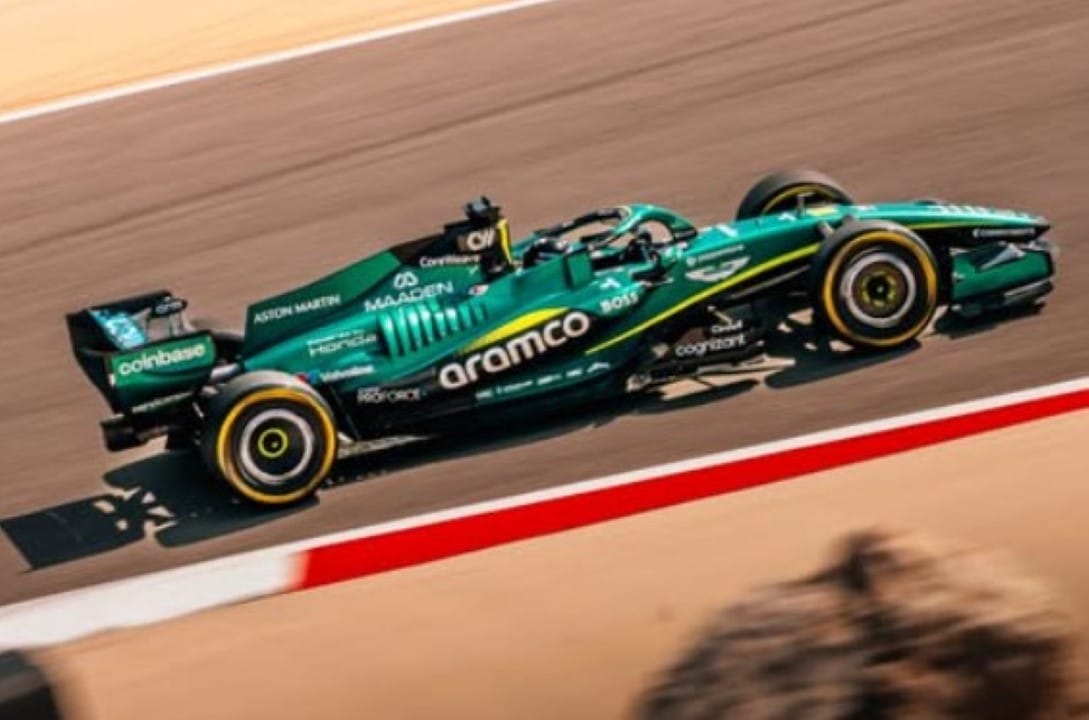
The Aston Martin team faces a severe mechanical obstacle at the start of Grande Prêmio and Austrália track activities. A technical problem directly linked to the power unit supplied by Honda prevented the Spanish driver Fernando Alonso from participating in the first free practice session on the Albert Park circuit. The failure exposed vulnerabilities in the newly developed propulsion system under the new technical regulations for motorsport’s top category.
The setback generated an immediate mobilization in the pits of the British team, which had to dismantle part of the single-seater’s fairing to investigate the anomaly. Engenheiros and mechanics worked at a fast pace to identify the source of the defect before the following sessions, seeking to isolate the affected components without compromising the structural integrity of the chassis.
The situation required direct communication between the team’s base at Europa and the Japanese automaker’s designers to align repair protocols. The incident changes the initial aerodynamic and tire wear data collection planning scheduled for the weekend, forcing a complete restructuring of the track strategy.
Immediate impact on track sessions
During the opening session on the Australian track, Fernando Alonso’s car remained in the pits for the regulatory sixty minutes. Telemetry data showed an irregularity in the internal pressure of the fluids when the engine was initially started.
On the other side of the garage, Lance Stroll managed to leave the pit lane, but his participation only lasted three full laps. The Canadian driver reported noise anomalies and an abrupt loss of performance on the main straights of the route.
The team opted to preventively collect the second car to avoid irreversible damage to the engine block. The decision resulted in the total absence of competitive times recorded by the team in the morning classification table.
Technical origin of the propeller defect
Preliminary investigations indicate that the central problem lies in excessive vibration generated by the internal combustion engine at high speeds. The powertrain developed by Honda to meet the requirements of the new regulatory cycle presented an unforeseen resonance that directly affects the integrity of vital peripheral components. Testes dynamometer tests previously carried out at the Sakura factory, on the Japão, had already demonstrated abnormal oscillations, but engineers believed they had mitigated the defect through software updates and remapping of the electronic injection before sending the units to the ocean stage.
Mechanical stress caused by continuous vibration threatens the durability of moving parts and compromises energy transfer to the hybrid system. The specific aerodynamic configuration of Albert Park, which requires maximum acceleration in prolonged stretches, exacerbated the propellant’s structural failure. To overcome the situation in the short term, the manufacturer will need to apply severe restrictions on the engine speed limit, which will inevitably result in a considerable deficit in final speed compared to the opposing teams on the grid.
Reaction from drivers and technical team
Fernando Alonso expressed dissatisfaction with the loss of track time at a crucial moment in the car’s development. The two-time world champion highlighted that his absence from the initial session compromises the adjustment of the suspension and the reading of the behavior of the soft tire compounds.
Lance Stroll reported severe physical discomfort during his brief laps on the circuit. Excessive engine vibrations were transmitted to the carbon fiber chassis, affecting visibility in the rear-view mirrors and directional stability in braking zones.
The management of Aston Martin called an emergency meeting with representatives of Honda to reevaluate the schedule for using the power units. The objective is to establish a contingency plan that allows participation in the qualifying sessions and the race.
Mechanics have been instructed to operate under maximum safety protocols when handling the hybrid system’s high-voltage electrical components, due to the risk of short circuits caused by structural failures.
Restrictive measures and damage control
To ensure the engines’ survival throughout the weekend, the Aston Martin implemented extremely conservative power mapping, reducing energy delivery from both the combustion engine and the kinetic recovery system. Esta medida de segurança, apelidada nos bastidores de modo de sobrevivência, limita a capacidade de ultrapassagem e força os pilotos a adotarem trajetórias defensivas para compensar a falta de tração nas saídas de curva. The British technical team also changed the configuration of the cooling system, opening the air vents on the engine cover to prevent overheating of internal components stressed by vibration. The pit wall’s direct order is to avoid high curbs and focus exclusively on collecting essential data, sacrificing pure performance in favor of the minimum durability necessary to complete the distance required by the race.
Logistical challenges and transport of parts
The severity of the mechanical problem triggered a complex logistical operation to replace defective parts. Componentes specific exhaust system and turbine were shipped on emergency cargo flights from Japão directly to Melbourne.
At the same time, damaged parts of the engine taken from Fernando Alonso’s car were packed and sent to the team’s base at Milton Keynes, at Reino Unido. Engenheiros will perform a complete tomographic scan on the parts to understand the wear pattern and avoid repetitions in future stages.
Security monitoring by the federation
Federação Internacional of Automobilismo began to monitor the case closely through its technical delegates. The entity requires guarantees that structural failures do not pose a risk of parts disintegrating on the track, which could cause serious accidents involving other competitors.
Inspectors installed additional sensors in the British team’s cars to monitor vibration levels in real time. Qualquer reading that exceeds the safety limits established in the sporting regulations will result in a black and orange flag, forcing the vehicle to be recalled immediately.
Obfuscated aerodynamic upgrades
The AMR26 chassis upgrade package, which included a new floor design and revised front wings, lost its prominence over the weekend. The impossibility of testing the new components under ideal maximum speed conditions delays the team’s wind tunnel data correlation program.
Context of the technical partnership in the category
The alliance between the team based in Silverstone and the Asian manufacturer was announced with the promise of raising the organization’s competitive level on the world motorsport stage. The joint project aims for perfect integration between the aerodynamic design of the chassis and the compact architecture of the power unit, a fundamental requirement under the new sustainability and energy efficiency guidelines imposed by the category. However, the obstacles faced at this stage highlight the complexity of aligning cutting-edge technologies in an environment of extremely high pressure and restricted deadlines.
The development of modern hybrid thrusters requires thousands of hours of virtual simulation before the first physical prototypes are built. Correlation failures between data generated in the laboratory and real behavior on the track represent one of the biggest challenges in current automotive engineering. The management team now focuses on shielding professionals from external pressure, ensuring that the focus remains on the technical resolution of the defect without compromising the long-term planning of the sports alliance.
