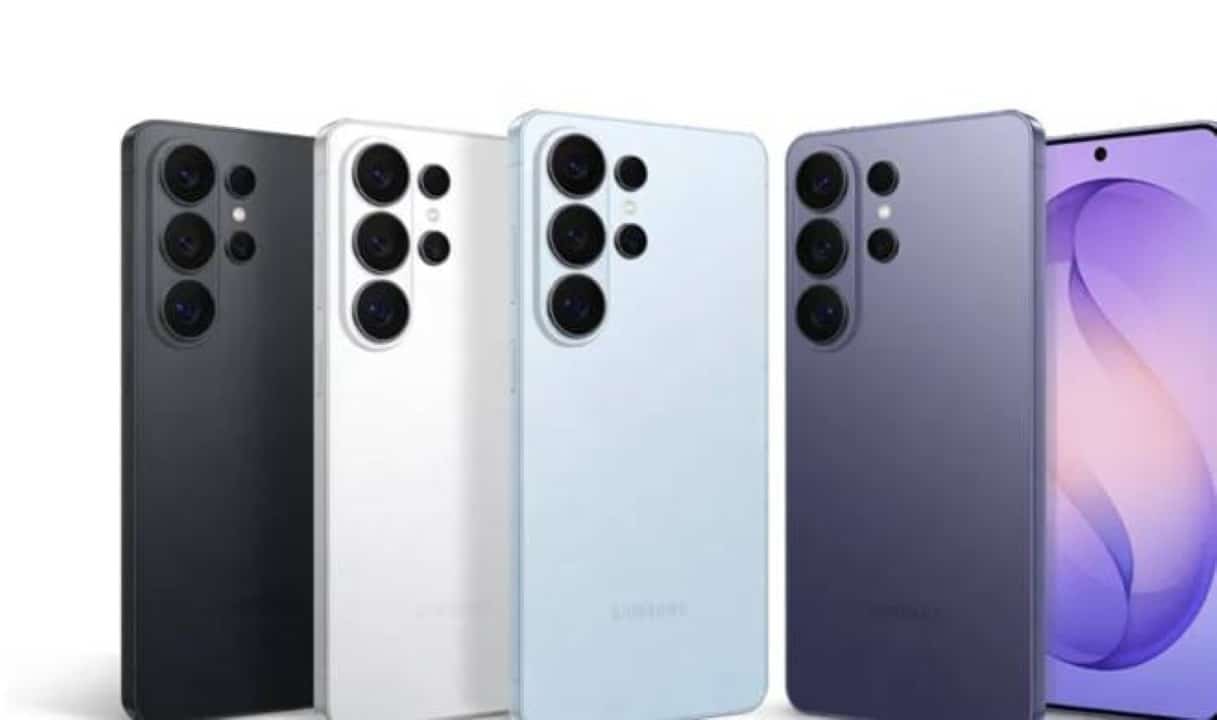
Samsung recently officially announced the arrival of the Galaxy S26 Ultra to the global market, highlighting private screen technology as its main innovation. Este component was specifically designed to prevent people positioned to the side of the user from being able to view the content displayed on the device panel. The South Korean manufacturer’s proposal aims to increase security in public environments, ensuring that sensitive data is not exposed to third parties during everyday use.
Despite the innovative premise, the first units delivered to consumers are generating mixed reactions and an unexpected volume of returns. Relatos indicate that the implementation of the privacy layer compromises the user experience in content sharing situations. Diversos buyers expressed dissatisfaction with the way colors and brightness behave at slightly inclined viewing angles, which makes collective use of the device unfeasible.
Key points noted by early adopters include:
- The superior quality of brightness and sharpness in videos with HDR technology compared to previous models in the S line.
- The optimized cooling system allows for prolonged gaming sessions without a drop in thermal performance.
- The ergonomics of the chassis facilitate handling, even considering the robust dimensions of the Ultra model.
- The visual strangeness caused by the abrupt transition of the privacy layer when tilting the display.
Technical difficulties reported by consumers on specialized forums
The negative repercussion gained strength in digital communities after users described the feeling of persistent visual discomfort. One buyer detailed that the experience of looking at the panel resembles the 3D technology of old portable consoles, requiring constant eye focus effort. Essa technical characteristic, although efficient in hiding data, ends up generating visual fatigue during periods of intense use.
The failure in depth perception and the change in color tone were the determining reasons for some customers to abandon their purchase. Mesmo Although the processing hardware and cameras have received praise, the screen is the central component of interaction, and any anomaly on it directly impacts satisfaction. Samsung has not yet issued an official statement regarding possible software adjustments that could mitigate this optical effect.
Impact on shared and social mobile device usage
The private screen feature prevents two people from watching a video simultaneously on the same device comfortably. When trying to show an image or recording to someone nearby, the secondary person sees a distorted or excessively darkened image. Este behavior is inherent to the physical filter applied to the OLED panel, but many users were not aware of the aggressiveness of this visual blocking before acquisition.
Many consumers who use their smartphones as a work tool for quick presentations have encountered insurmountable difficulties. The need to keep the device at an angle of exactly 90 degrees in relation to the eyes makes use tiring and limits the versatility of the product. Frustration is greatest among those who migrated from models like the Galaxy S23 Ultra, which had wide viewing angles and consistent colors from any position.
Intergenerational Performance Comparison and Thermal Efficiency
Despite reported critical issues with the display, the Galaxy S26 Ultra features significant advancements in other hardware areas. The new heat dissipation system is designed to support the demands of generative artificial intelligence processed locally on the device. In stress tests, the device maintained stable frequencies for longer than its predecessor, consolidating itself as a powerhouse for productivity and entertainment.
The refined design and the choice of lighter materials were also cited as positive points by those who decided to keep the product. The robust construction combined with cleaner software indicates that Samsung focused on the maturity of the ecosystem. Contudo, the private screen innovation appears to have been a risky move that did not consider all modern consumer usage profiles.
Technical characteristics of the new Samsung privacy panel
The technology uses a micro-blind structure that directs light unidirectionally towards the front user. Esse mechanism is similar to privacy filters sold separately for high-performance corporate notebooks and monitors. The difference in the S26 Ultra is that this layer is integrated directly into the screen’s optical assembly, which prevents its owner from removing it.
The cost of replacing this component in the event of accidental damage is also a growing concern among market analysts. As it is an exclusive and highly complex part, the repair can reach considerable costs outside the warranty period. The durability of the coating against scratches and fingerprints is also being monitored by the first independent testing laboratories.
Market reactions and reverse logistics processes for returns
International retailers have already begun processing refund requests based on dissatisfaction with display technology. The return process follows the normal procedures for premium products, where the customer claims that the product does not meet the functional expectations described in the release. Este movement may affect sales projections for the first quarter of the Galaxy line in the global market.
Technology experts suggest that Samsung may launch a version of the Ultra model without the privacy filter in specific markets in the future. Hardware segmentation would be a way to serve both the corporate public, which prioritizes confidentiality, and the general public, which prefers color fidelity. Enquanto Therefore, the guidance for new buyers is to physically test the device in demonstration stores before finalizing the online order.
Perspective of software updates for panel optimization
Although the filter is physical, there is a theoretical possibility that adjustments to adaptive brightness and contrast could smooth the visual transition. Engenheiros of software would be working on a display mode that compensates for the loss of brightness at the edges of the panel. Entretanto, the physical limitations of the privacy layer cannot be completely overridden through programming code or security patches.
End-user experience continues to be the main barometer for the success of new features on luxury mobile devices. Samsung monitors forums and direct feedback to understand whether private screen will become a standard or will be discarded in the next generations. The balance between individual security and social usability remains the major challenge for the South Korean giant’s display sector.
