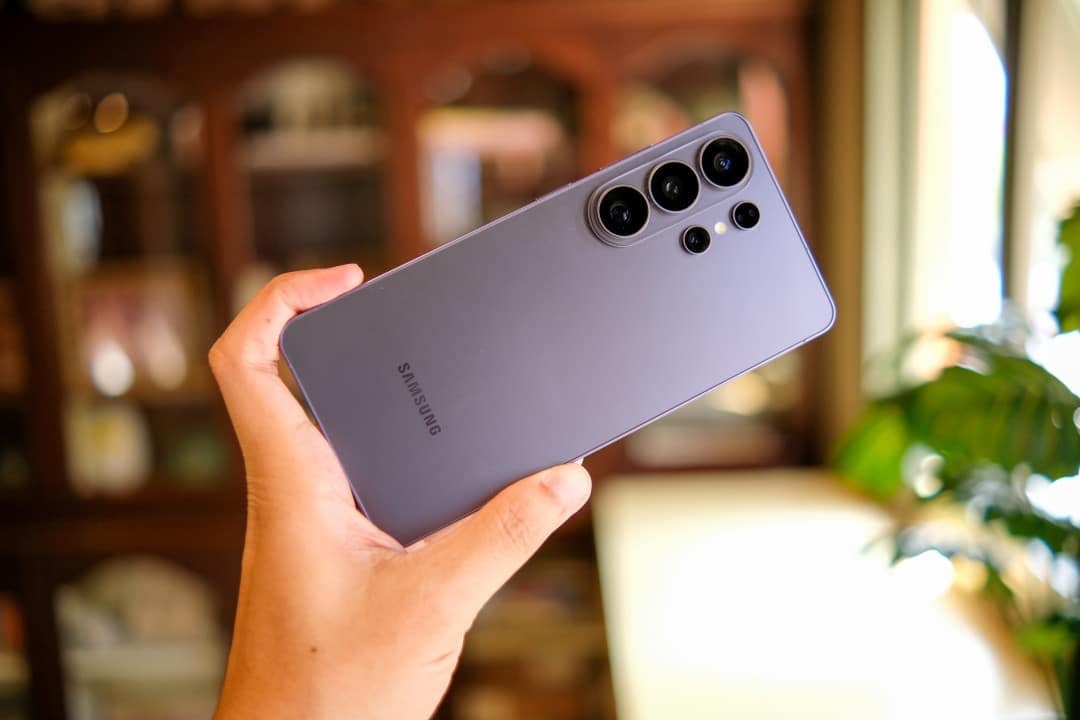
The laboratory specializing in image testing has released an in-depth technical analysis of the photographic performance of the main mobile devices on the current market. The evaluation pits the sensors and computational processing of the most advanced devices from the Apple and the Samsung face to face. The results demonstrate how manufacturers chose different paths to deal with light capture and color rendering in varied scenarios.
The data collected by the engineers indicate that the South Korean device presented a notable technological leap compared to its previous generation. The improvements mainly focus on the ability to record fine details and digital noise suppression in poorly lit environments. The architecture of the new sensors allowed for more efficient light absorption, changing the dynamics of night photographs.
Despite the significant advances implemented by the competitor, the Apple model managed to maintain a slight advantage in the overall score. The leadership is justified by the system’s consistency in high-contrast situations and the accuracy of the autofocus. The device’s image processing demonstrated greater stability when dealing with complex textures and abrupt light transitions.
Main sensor performance in dark environments
The technical evaluation highlights that the Samsung device can capture a substantially greater volume of light due to the new f/1.4 aperture on its 200 megapixel main camera. Essa physical modification to the lens represents an increase of approximately 47% in photon input when compared to the previous year’s hardware. The practical result of this optical change is the generation of much cleaner files overnight, reducing the need for aggressive smoothing algorithms. The fidelity in the reproduction of skin tones has also benefited, eliminating the artificial appearance that used to appear in night photos.
The optical approximation system also underwent a structural redesign with the adoption of the ALoP design on the 50 megapixel periscopic lens. Essa technology has allowed the camera module to be compact while offering five times optical zoom with greater clarity. The shape of the background blur, known as bokeh, has become more rounded and aesthetically pleasing, resembling the results obtained by professional cameras. The transition between different focal lengths occurs more fluidly, keeping the color calibration aligned with the main sensor.
Evolution of the zoom system and periscopic lenses
The 50-megapixel ultra-wide camera maintains an aperture of f/1.9, ensuring landscape and architectural shots remain sharp right to the edges of the frame. Essa constancy is critical for users who rely on wide angles without severe distortions.
For portraits at intermediate distances, the 10-megapixel telephoto lens with three times optical approximation continues to operate at f/2.4 aperture. Esse specific set has been shown to be highly effective in isolating the subject from the background without excessively flattening the facial features.
The rear photography arrangement offers unparalleled versatility by covering multiple zoom ranges with stable image quality. Integration between optical hardware and interpolation software ensures that even digital approximations maintain an acceptable level of detail.
One point of attention raised by testers is the increase in the minimum focusing distance on the long-range lens, which now requires around 52 centimeters of separation. Essa physical characteristic of the new module may limit the user’s ability to take very precise macro photographs or close-ups using maximum zoom.
Processing superiority in complex scenarios
The Apple device demonstrates its maximum strength when subjected to mixed lighting and high contrast scenarios. The autofocus system has proven to be extremely reliable, locking onto subjects’ faces in fractions of a second, even when the subject is moving. Essa agility avoids missing decisive moments and guarantees the sharpness of the main capture.
Photographs captured in portrait mode reveal superior depth segmentation, separating the subject from the background with surgical precision. The algorithms can map hairs and edges of glasses with a minimum rate of visual artifacts. Essa three-dimensional mapping capability gives software-simulated blur a more natural appearance.
In very low light conditions, the image signal processor is able to preserve slightly greater sharpness in fine textures. Chromatic noise control acts selectively, cleaning shadow areas without destroying the details of illuminated areas. The balance between overall exposure, color saturation and dynamic range contributes to predictable results.
Portrait mode adjustments and detail capture
The South Korean device shows clear progress in portrait mode rendering, delivering more balanced processing than its previous versions. Noise reduction works more intelligently, preserving pores and expression lines without creating a waxy skin effect. Skin tones gained an impressive naturalness, correcting the old problem of excessive saturation in night scenes.
Despite substantial improvements, the laboratory identified that some technical challenges still persist in the camera software. Autofocus occasionally glitches when trying to detect faces in environments with multiple competing light sources. Além Furthermore, small digital artifacts still appear on the edges of objects during portraits in extreme backlit situations, indicating that the cropping algorithm still has room for refinement.
Video stability and dynamic range in recording
Motion image capture represents one of the most critical pillars when evaluating premium devices, requiring massive real-time processing power. The optical stabilization system, combined with electronic distortion correction, allows for extremely fluid recordings even when the operator is walking or running. The exposure transition when going from a dark environment to a sunny location occurs smoothly, without abrupt jumps that would ruin the recording. The dynamic range in videos simultaneously captures details in bright clouds and deep shadows, approaching the latitude of digital cinema cameras. Spatial audio capture tracks visual quality, isolating the main subject’s voice and suppressing wind noise. Color accuracy stays true to life, resisting the tendency for warm tones to overheat under artificial lighting. Continuous focus tracking ensures the main subject remains sharp regardless of its movement across the frame. The ability to record at high resolutions and high frame rates without overheating the processor demonstrates the maturity of the internal thermal design. Esses combined factors ensure a professional-grade recording experience right in the user’s pocket.
Technical specifications of photographic modules
The devices tested feature distinct optical assemblies that define their photographic capabilities in today’s high-performance mobile device market.
– 200-megapixel main Câmera with f/1.4 aperture on the South Korean device.
– Lente 50 megapixel telephoto with five times optical zoom and ALoP design.
– 50-megapixel ultra-wide Sensor for wide, consistent shots.
– Sistema improved autofocus for facial detection on the Apple device.
– Motor of dedicated visual processing for noise and detail optimization.
Impact of artificial intelligence engine on images
Contemporary image processing relies heavily on artificial intelligence engines to transform raw sensor data into publication-ready photographs. The ProVisual Engine system works behind the scenes analyzing each captured pixel to apply specific color, contrast and sharpness corrections. Essa computational approach allows us to recover information that would be lost with traditional optics alone.
Deep integration between hardware and software dictates the pace of innovation in the mobile technology sector. Laboratory evaluations confirm that the race for the best camera is no longer limited to the size of the sensor or the number of megapixels, but rather the mathematical capacity of the processor to interpret the scene. The detailed results reinforce the importance of well-trained algorithms to deliver images that please the human eye in any lighting condition.
