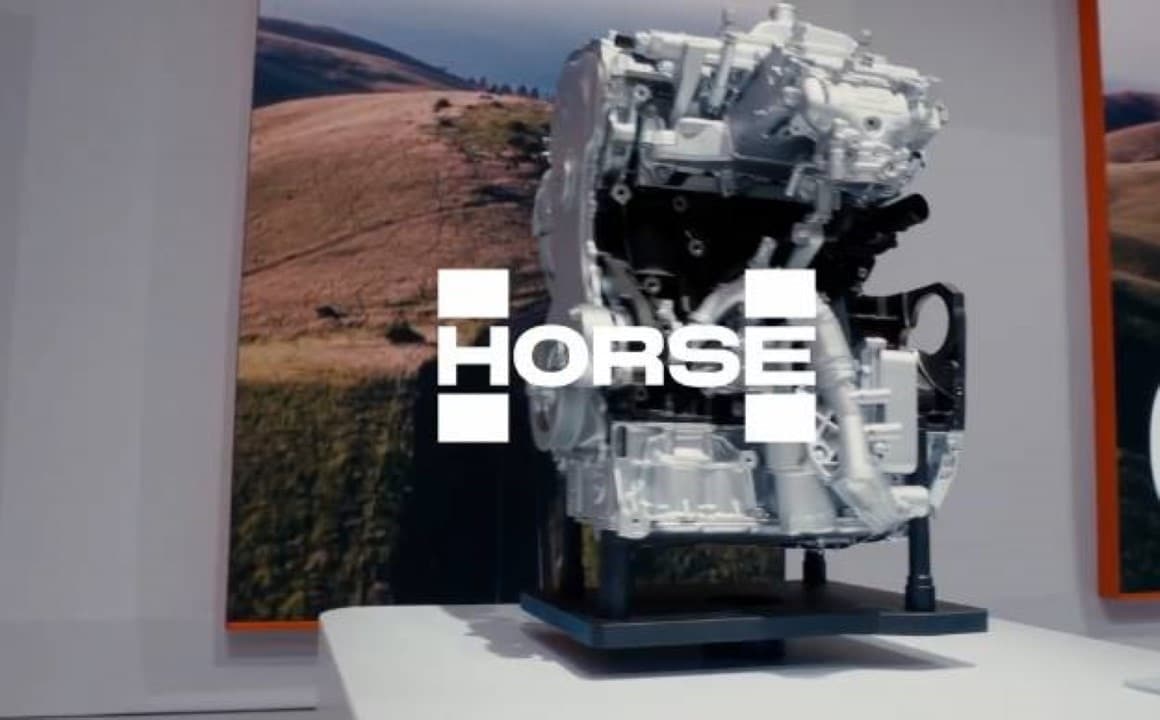
Global automotive engineering records a substantial technical advancement with the development of a new electric motor concept designed specifically for hybrid vehicle applications. The equipment, designed by manufacturer Horse Powertrain, uses amorphous steel in its internal structure, a metallurgical innovation that completely changes the physical properties and magnetic behavior of the component during operation. The project achieves an operational efficiency mark of 98.2%, establishing a new technical standard for the electrified mobility industry and modifying energy conservation parameters on assembly lines. The application of this specific material allows the conversion of electrical energy into mechanical force to occur with a level of precision unprecedented in the transport sector, optimizing the continuous operation of the powertrain.
The most visible feature of this new mechanical architecture is the drastic reduction in the physical volume of the equipment. The component presents a 50% reduction in its size and total weight when compared to conventional engines of similar performance that are currently available on the automotive market.
This optimization of the physical space inside the mechanical compartment directly influences the consumption rates of fossil fuel and electricity. The reduction in the car’s total mass translates into lower exhaust emissions and superior dynamic performance on urban roads and high-speed highways.
Technical capacity and mechanical power specifications
The newly developed propeller delivers a maximum power output of 140 kW, accompanied by a torque of 360 Nm direct to the shaft. Estes numbers represent a high level of tractive force, perfectly suited to moving robust passenger vehicles and commercial models with an immediate and constant acceleration response.
This power is applied seamlessly in both pure electric driving modes and combined hybrid operations. The delivery of kinetic energy is managed by electronic systems to minimize any waste, ensuring that the force generated is fully transferred to the drive wheels.
Replacing silicon steel with advanced amorphous alloys
The core of the superior performance lies in the replacement of traditional silicon steel sheets, historically used in the construction of the stator and rotor of automotive engines. The new architecture implements amorphous steel, a material with a disorganized atomic structure that favors extremely fast and efficient magnetization.
While conventional silicon steel sheets have a thickness that varies between 0.20 and 0.30 millimeters, the new technology uses significantly thinner metal sheets. The amorphous steel components measure just 0.025 millimeters thick, representing microscopic precision that redefines the part’s internal electromagnetic behavior.
Reduction of thermal losses and eddy currents in the system
This microscopic construction fundamentally alters the magnetic excitation of the engine during operation at high speeds. The immediate result is a massive reduction in hysteresis losses and eddy currents, physical phenomena that normally dissipate electrical energy in the form of useless heat.
By practically eliminating this unwanted thermal generation, the equipment operates at temperatures considerably lower than the automotive industry standard. Iron loss inside the machinery drops by exactly half, maintaining a highly stable and safe thermal operating range for adjacent components.
Maintaining lower temperatures has a knock-on effect on the vehicle’s engineering as a whole. Complex and cumbersome liquid cooling systems become unnecessary, allowing designers to simplify the internal architecture and reduce the total cost of producing the automobile on the assembly line.
Overcoming obstacles in large-scale industrial production
The use of amorphous steel in the mobility industry has always faced the difficulty of industrial processing in large volumes. The material is notoriously complex to handle, cut and mold into specific shapes without losing its fundamental electromagnetic properties during the manufacturing process.
Horse Powertrain solved this specific manufacturing problem by creating a proprietary and highly controlled production method. The industrial solution found allows the molding of parts at high speed, maintaining the structural integrity of the material and enabling delivery to global assemblers.
The durability of the final component and its mechanical properties remain completely intact after the formatting process in industrial presses. The parts resist intense vibrations, sudden temperature variations and constant physical stress that characterize daily automotive use in various terrain conditions.
This advancement in manufacturing ensures that propellants can be continuously supplied to assembly lines on different continents. Automakers receive a finished product, ready for integration into their existing platforms, without the need to adapt their own factories to handle the amorphous alloy.
Reconfiguration of automotive design and optimization of internal space
The availability of 50% smaller driving equipment opens up a vast range of possibilities for designers and structural engineers. Sem the obligation to accommodate a bulky block in the front or rear part of the chassis, automakers can redesign the vehicle’s proportions. The space previously occupied by the mechanical assembly can be reallocated in several strategic ways:
– Ampliação of the compartment for lithium-ion battery packs.
– Aumento of the useful volume of the trunk and cargo compartments.
– Expansão of the cabin living area for passengers.
– Melhoria of the car’s frontal aerodynamic coefficient.
The structural reconfiguration allows the cars to maintain compact external dimensions while offering superior technical specifications.
The focus of this implementation is largely directed towards plug-in hybrid vehicles (PHEV) and full hybrids, categories that require a highly efficient synergy between internal combustion and electric traction. The vehicle’s total energy efficiency and fuel consumption are improved by 1% in direct mileage measurement. Embora may seem like a conservative fraction in a single trip, this percentage represents a monumental saving of resources and a drastic decrease in carbon emissions when the calculation is extended over the entire useful life of the automobile and multiplied by the extensive fleet in circulation globally.
Sourcing strategy for original equipment manufacturers
Horse Powertrain establishes its position as a strategic original equipment supplier (OEM) just as the transportation sector accelerates its global energy transition. The technology is offered with full compatibility for both standard hybrid systems and range extender architectures, adapting to the specific engineering needs of different vehicle brands. The integration of this rotary engine with amorphous steel strengthens the portfolio of powertrain solutions offered to the market, focusing on maximizing the efficiency of energy conversion from the battery to the wheel. The company provides a validated technology package, eliminating the need for each automaker to invest years of basic research and materials development to achieve similar levels of efficiency, thereby accelerating the availability of cleaner, more capable vehicles in dealerships.
The role of metallurgy in the evolution of electric motors
The precise application of advanced metallurgy appears to be the definitive way to overcome the current technical limits of vehicle electrification. The transformation of raw raw materials into highly efficient magnetic components dictates the pace of technological innovation in the transport sector on a global scale.
