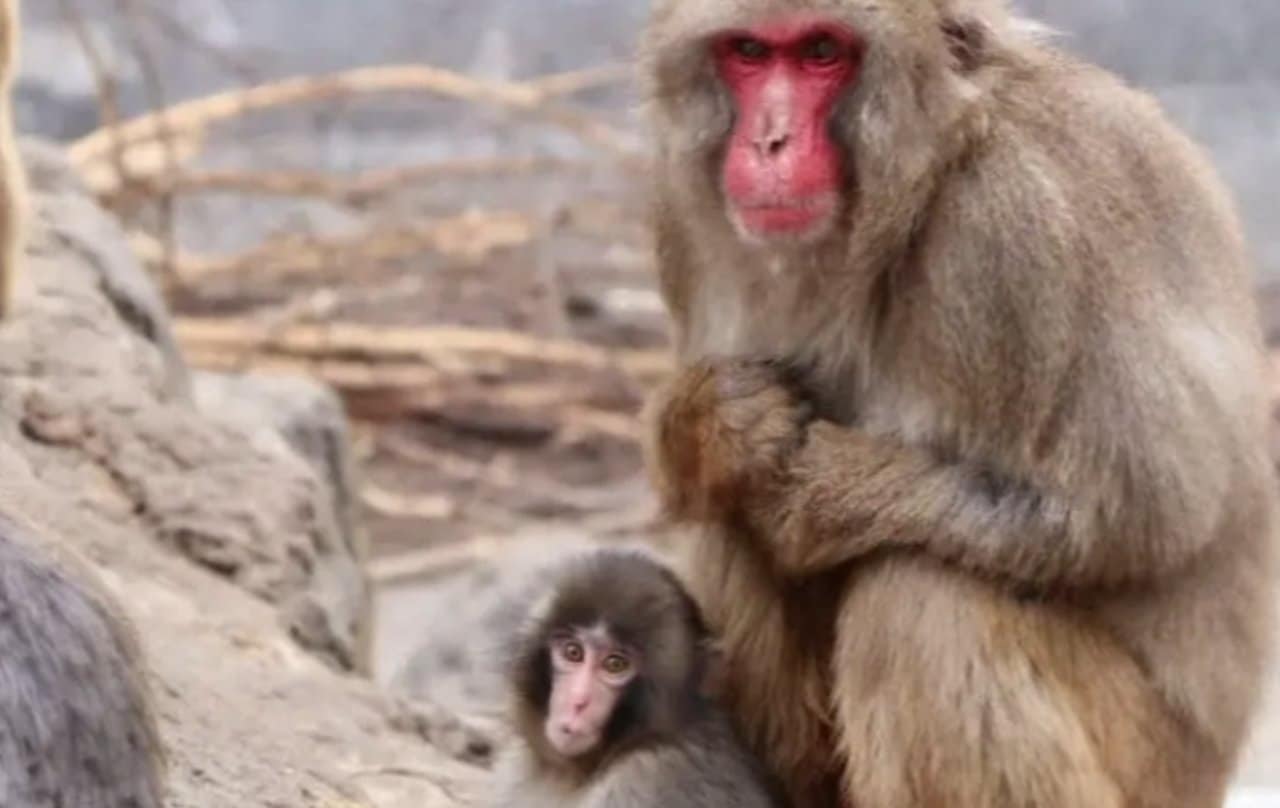
The management of Zoológico of Ichikawa, located in Japão, has announced the temporary separation of a Japanese macaque baby named The emergency measure occurred after the wide circulation of images on social media showing the animal being the target of physical attacks by older members of the herd. The case generated intense international mobilization of activists and park visitors, demanding immediate responses from the competent authorities.
The institution’s administrators went public to clarify the social dynamics of the species and rule out accusations of negligence or management failures. The cub, who was raised by humans after suffering maternal abandonment shortly after birth, became a popular figure on the internet due to his attachment to a stuffed orangutan. The transition from human care to living with other primates presented challenges anticipated by the veterinary team.
The global repercussion forced the technical team to review integration protocols and issue detailed communications about primate biology. The park’s management emphasizes the non-negotiable commitment to the physical integrity of the animals under its care, while trying to balance the preservation of the species’ natural instincts with the demands of a digital public increasingly attentive to animal welfare issues.
Social dynamics and hierarchy of Japanese macaques
The living structure of Japanese macaques operates under a rigid and extremely complex hierarchical system. Especialistas in primatology point out that these groups function as autocratic societies, where dominant individuals exercise absolute control over subordinates. Maintaining this order requires frequent displays of power and submission among pack members.
The actions recorded in the videos, often interpreted by laypeople as gratuitous aggression, are described by park biologists as acts of natural discipline. Essa dynamic of imposing limits is intrinsic to the species and acts as a fundamental pillar for maintaining order, resolving internal conflicts and long-term group cohesion.
Research conducted since the 1940s in the Japão has extensively documented this type of behavior in various populations. The scientific literature corroborates that the interactions observed with the cub represent a standard biological phenomenon, present both in wild populations in the Japanese mountains and in captivity that replicate the appropriate environmental and social conditions.
The puppy’s routine and interactions in the enclosure
Hierarchical correction episodes do not define the entirety of the cub’s life experience within the zoo enclosure. The team of keepers highlights that the animal spends most of its time in a calm state, participating in routine activities of foraging, resting and exploring the enriched environment.
Several members of the group demonstrate caring, tolerance and protective behaviors towards the young primate. Observações days recorded countless moments of peaceful play and interactions, which are absolutely essential for the cognitive, motor and social development of the specimen in its growth phase.
Progress in socialization has resulted in a significant and positive behavioral change in the puppy over the past few months. Veterinarians noticed that he drastically reduced the time spent with his stuffed toys, indicating a gradual acceptance and greater engagement with his biological peers in the enclosure.
The integration of an animal raised by humans into an established flock requires patience, technique and constant monitoring on the part of professionals. The park team documents each daily progress, seeking to ensure that the process occurs organically and respects the adaptation time necessary for the complex mind of a primate.
Intervention and temporary isolation protocols
Despite technical explanations about the social nature of primates, the increase in the frequency and intensity of advances by high-ranking individuals required an immediate and pragmatic response from management. At the beginning of March, the veterinary team temporarily removed the puppy from direct contact with the main group. Preventive action aims to protect the physical integrity of the animal while experts evaluate the stress variables in the environment and the specific behavior of the attackers. The management of wild animals in captivity demands quick decisions that balance the simulation of wildlife with the individual safety of the most vulnerable specimens in the herd.
Temporary isolation reflects the institution’s absolute priority in ensuring the animal’s well-being, allowing detailed clinical observation of its physical condition and assessment of possible psychological trauma. Durante During this period of absence, keepers maintain rigorous environmental stimuli and safe visual contact with the flock through protective bars, preventing the cub from losing newly acquired social references. The strategy provides a vital window for general tension in the enclosure to subside, making it easier to plan a gradual, controlled reintroduction based on solid behavioral evidence and updated safety protocols.
The impact of digital platforms on public perception
The rapid dissemination of short videos exposes a severe contemporary challenge for wildlife conservation centers around the world. The interpretation of animal behavior through the filter of social networks often results in the decontextualization of isolated scenes, generating intense emotional reactions and disproportionate demands on technical teams.
The phenomenon of anthropomorphization, which attributes human feelings, intentions and morality to the instinctive actions of animals, distorts public understanding of the true biology of species. Popular pressure forces institutions to dedicate significant resources to justifying scientifically validated management practices to a lay audience, diverting the focus from conservation work.
Management strategies for long-term development
The park administration has received a flood of online petitions and messages demanding the definitive separation of the cub, a measure that carries severe and irreversible risks for the primate’s mental health. Community life represents the biological and evolutionary foundation of Japanese macaques, and permanent isolation would completely compromise the animal’s ability to express the natural behaviors of its species. Deprivation of prolonged social contact in primates often results in severe apathy, development of motor stereotypies, self-mutilation and marked immunological decline, scenarios that the veterinary team works tirelessly to avoid at all costs. Reintegration into the flock, no matter how complex, risky and time-consuming it may be at the current time, remains the only scientifically viable way to guarantee full and healthy development. Biologists structure a progressive approach schedule, using temporary visual barriers and promoting controlled encounters only with less dominant and more tolerant individuals, aiming to rebuild the cub’s trust and establish fundamental strategic alliances within the group hierarchy before complete release into the main enclosure.
Continuous monitoring and adaptation of the enclosure
The zoo’s physical facilities undergo structural adaptations to provide efficient escape routes and additional refuge areas exclusive to the young primate. Uninterrupted monitoring by high-resolution cameras and field observers provides crucial quantitative data to adjust management tactics in real time, prioritizing physical security without interfering excessively with the herd’s natural conflict resolution dynamics.
The importance of environmental education and research
The high-profile incident highlights the urgent need to strengthen environmental education programs aimed at in-person visitors and internet users. Compreender Discipline rituals, hierarchy, and cultural transmission within primate groups provide a solid foundation to support global conservation efforts and the appropriate management of species held in human care.
Zoológico of Ichikawa uses the vast knowledge accumulated through decades of rigorous primatological research to guide each step of the rehabilitation process. Transparency in institutional actions and constant scientific dissemination act as essential tools to combat digital misinformation, promoting genuine and grounded respect for the complexities inherent to behavior in the animal kingdom.
