

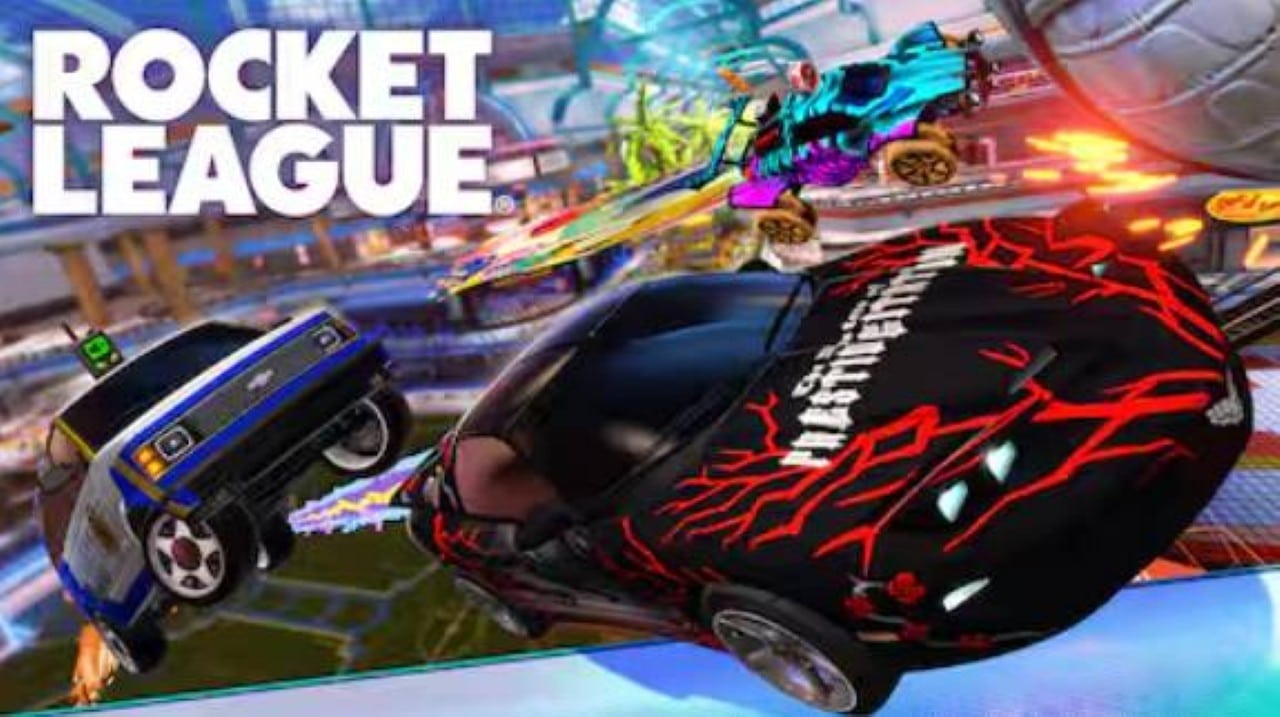
Developer Psyonix implemented a definitive structural change in the version from Rocket League to Nintendo Switch through update 2.64. The modification removes the old option that allowed players to switch between visual quality and graphical performance modes in the settings menu. From this moment on, the software operates under a single, standardized profile, specifically designed to prioritize gameplay fluidity over advanced aesthetic details. The technical decision aims to align the hybrid console experience with the standards required by the current competitive scenario.
The main focus of this restructuring is to lock the game’s refresh rate at sixty frames per second consistently, regardless of the visual complexity of the arena or the amount of effects on screen. To achieve this result, the software engineering team had to disable a series of visual features that consumed a large part of the device’s processing power. The measure affects both portable mode and the use of the device connected to the base for broadcasting on television.

Graphical standardization resolves a historical issue of technical disadvantage faced by users of the Nintendo platform during matches with the crossplay feature enabled. Anteriormente, drops in frame rate hampered players’ reaction time when facing opponents using high-performance computers or more robust desktop consoles. Technical stability now allows individual skill to be the only determining factor in the outcome of disputes.
The changes implemented in the update cover different aspects of how the game works:
– Fixação frame rate at sixty per second uninterruptedly.
On the same topic: Chinese video card Lisuan LX 7G100 sells 30 thousand units in 48 hours
– Implementação dynamic resolution scaling technology.
– Remoção of complex lighting effects and depth of field.
– Otimização of the loading time of internal menus and navigation.
Learn more: PlayStation 6 can triple ray tracing performance, but real gain in FPS is smaller
– Expansão limit of vehicle presets in the user’s garage.
Dynamic scaling implementation
To maintain the frame rate unwavering, the Psyonix has integrated dynamic resolution scaling technology combined with the AMD FidelityFX Super Resolution system. Quando the console is connected to the base, the game attempts to reach the maximum resolution of 1080p, but the system automatically reduces the internal pixel count during times of high processing demand. Essa transition occurs in fractions of a second, ensuring that the game’s physics engine is uninterrupted while scaling technology reconstructs the image to maintain acceptable sharpness on the user’s screen.
The use of dynamic scaling represents a common technical compromise in the gaming industry to deal with hardware with processing limitations. Instead of forcing the graphics processor to render each frame at its native resolution, the system prioritizes the continuous delivery of visual information. Isso means that, although the image may show a slight loss of definition in situations with many explosions or grouped vehicles, the response to controller commands remains instantaneous, a critical factor in a real-time physics-based game.
Visual adjustments for system optimization
The search for stability required direct sacrifices in the visual presentation of the virtual environment. Efeitos Advanced lighting features, such as volumetric light beams and complex reflections on arena surfaces, have been completely removed from the console’s rendering code.
Depth of field, a cinematic effect that blurs distant elements to focus on the main action, has also been disabled. The development team has additionally reduced the density of particles generated by vehicle thrusts and the explosions that occur with each goal scored.
More on this story: 007 First Light analysis confirms 60 frames on Xbox Series X and visual limit on Series S
These reductions alleviate the load on the device’s graphics processor, freeing up computational resources that are now directed exclusively to maintaining fluidity. The result is a cleaner, more utilitarian look, devoid of aesthetic distractions.
Direct impact on competitive gameplay
The sixty frames per second rate is not just an aesthetic preference in Rocket League, but a mechanical necessity. The game’s physics engine calculates trajectories, collisions and impulses based on precise fractions of a second.
Any fluctuation in frame rendering time results in a delay in command response, technically known as input latency. Esse delay can cause miscalculations in complex aerial maneuvers or when defending high-speed shots.
With the new update, consistency in frame delivery allows players to develop reliable muscle memory. The predictability of the vehicle’s behavior in relation to control commands increases the overall accuracy of plays.
Eliminating performance drops during critical moments turns the hybrid console version into a viable platform for higher level competitions where margins for error are virtually non-existent.
Inventory management improvements
In addition to changes to the graphics engine, the update brought changes to the user data management infrastructure. Loading times when launching the application and navigating through the main menu tabs have been significantly reduced due to optimized system memory usage.
Vehicle preset storage capacity in the garage has been expanded to accommodate up to seventy-five distinct spaces. Essa change meets a long-standing community demand, allowing users to save a greater variety of body, paint and accessory combinations without the need to delete previous configurations.
Learn more: SteamOS update brings support for HDMI 2.1 and remote control for Steam Machine
The evolution of portable hardware support
The trajectory of Rocket League on the Nintendo device reflects the challenges inherent in adapting modern competitive games to hardware with power and thermal dissipation constraints. Desde the initial release on the platform, developers sought a balance between maintaining visual parity with other versions and providing acceptable performance. Inicialmente, offering different quality and performance modes transferred the responsibility of choice to the end user, resulting in fragmented experiences within the console’s own player base. As the esports scene matures and cross-play becomes the industry standard, performance discrepancy has become an unsustainable obstacle to competitive integrity. The decision to force a single framerate-focused mode demonstrates a shift in design philosophy, recognizing that in high-speed titles, functionality must invariably trump form. The implementation of modern image scaling technologies has allowed this transition to occur without completely compromising visual readability, ensuring the product remains relevant and functional even years after its original launch.
Standardization in the esports landscape
The unification of the graphical experience sets a new technical floor for all participants in the game’s online ecosystem. By removing performance variables caused by inadequate hardware configurations, the developer ensures a fairer playing environment.
Technical parity, to the extent possible given the limitations of the device, ensures that victories and defeats are attributed exclusively to the tactical and mechanical skill of the teams involved in the match.
Next steps for the gaming community
The update is now available for mandatory download, being an essential requirement for access to online matchmaking servers and official tournaments.