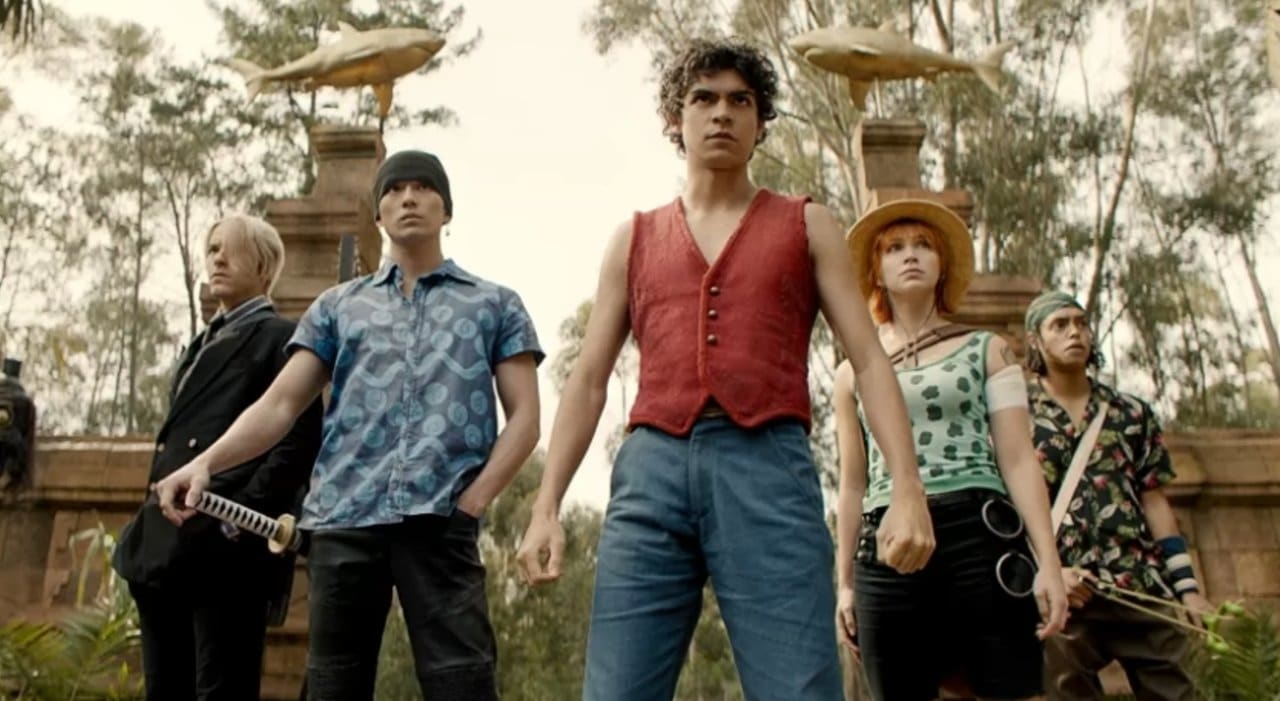
The second season of the live-action series One Piece premiered this Monday (10) on Netflix, making all eight episodes available at once. Production progresses with Piratas from Chapéu from Palha entering Grand Line, where they face the powerful criminal syndicate Baroque Works. The adaptation corrects technical limitations of the first season, especially in the quality of visual effects and the construction of a more immersive fantastic universe. Tony Tony Chopper, the reindeer doctor who joins the crew, stands out as one of the biggest hits, coming to life in a convincing and emotional way.
The journey through Grand Line brings exploration of new islands and more intense conflicts. Luffy (Iñaki Godoy) and his companions pass through places such as Loguetown, Reverse Mountain, Whiskey Peak, Little Garden and The narrative gains pace by balancing action, comedy and drama, maintaining the cartoonish essence of the original work by Eiichiro Oda.
Tony Tony Chopper conquers as a visual and emotional highlight
The biggest technical challenge of the season was representing Chopper, a creature that alternates between reindeer, human and hybrid forms. The combination of advanced CGI and motion capture results in fluid movements and realistic facial expressions.
Chopper interacts naturally with Luffy and the rest of the crew, conveying surprise, joy and vulnerability. The original English dubbing of Mikaela Hoover reinforces the character’s charisma, making him one of the most beloved in the production to date.
Key highlights of the season include
- High-quality visual effects on creatures like giant whales, dinosaurs and giants
- Costumes and hair design that preserve the exaggerated style without losing credibility
- Action scenes that mix absurd humor with moments of graphic violence
- Individual development of each crew member with their own arcs
These elements help maintain the franchise’s characteristic balance, preventing the adaptation from falling into excess or simplification.
Visual effects exceed expectations across the universe
The season features a diversity of beings and scenarios taken directly from the manga. Batalhas range from otters riding vultures to epic showdowns against Baroque Works. The design corrects previous problems, such as the villain Arlong from the first season, delivering more consistent and faithful results.
The cartoonish tone remains intact, allowing light comedy to coexist with intense drama and bloody sequences. Essa visual fidelity strengthens the viewer’s immersion in the pirate world.
Crew gains depth without relying on flashbacks
Zoro (Mackenyu) faces the emotional consequences of the duel against Mihawk, going through visions and internal struggles to regain his self-confidence. Cada Chapéu of Palha receives standout moments, reinforcing the group’s cohesion and everyone’s individual relevance.
This distribution of arcs maintains constant interest and prevents the narrative from becoming tied to a single main character.
Narrative linearity expands the world of One Piece
The series chooses to organize events chronologically, bringing revelations and encounters that appear later in the manga. An example is the opening dialogue between Gold Roger (Michael Dorman) and Monkey D. Garp (Vincent Regan), which adds layers to the historical context.
This choice allows us to show characters as Bartolomeo in Loguetown and expands the feeling of a vast universe. The result creates a fresh experience for old fans and new viewers alike.
Grand Line islands receive detailed construction
Loguetown comes with cultural and historical elements that enrich the ambiance. Outras islands take on a life of their own, showing that the world exists beyond the trajectory of the main crew. Esses details contribute to a more inhabited and believable scenario.
Exploitation of Grand Line intensifies conflicts against Baroque Works, setting the stage for future developments.
Early renewal confirms confidence in the project
Netflix confirmed the third season before the premiere of the second, demonstrating optimism with the performance of the adaptation. The technical quality and positive reception of the fantastic elements support the series’ continuity.
The production proves that live-action anime can respect the original material when they have adequate investment in effects and script.
