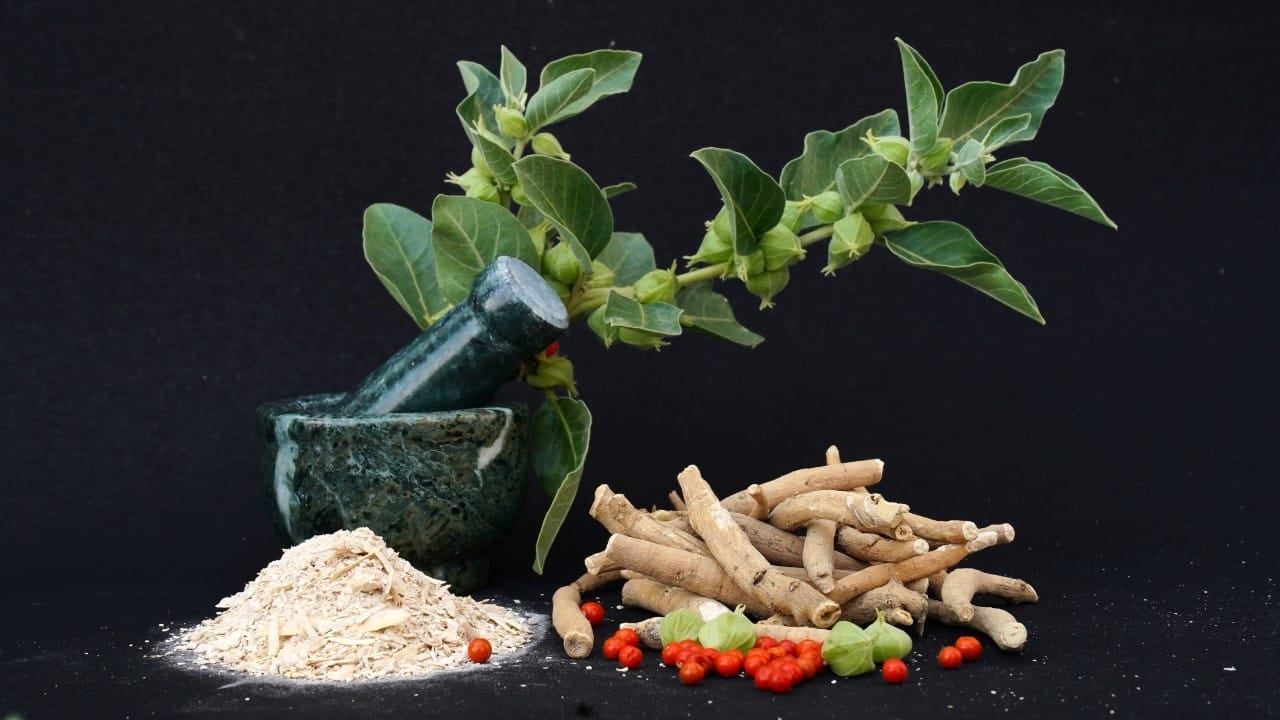
Ashwagandha, a plant widely used in dietary supplements for its purported stress-reducing and anti-anxiety properties, has become the focus of intense scrutiny by health authorities in União Europeia. Recentemente, Dinamarca implemented a strict ban on the sale of the substance, raising a significant alert and mobilizing other countries in the bloc to re-examine the safety of its consumption. Essa drastic measure underlines growing concerns about the potential adverse health effects associated with unmonitored intake of the plant, especially considering the frequent use of these products without adequate medical supervision. Strict monitoring and expectations of new regulations highlight the complexity of ensuring the safety of natural ingredients in the global supplements market.
Public health experts have emphasized the importance of careful analysis. Suplementos containing ashwagandha are often consumed without professional guidance, which considerably increases the likelihood of unwanted reactions and clinical complications.
This lack of adequate medical supervision can expose users to:
- Unforeseen hormonal changes.
- Negative impacts on liver function.
- Other adverse effects still under investigation.
Denmark leads precautionary movement
Dinamarca’s decision to ban the sale of products containing ashwagandha represents an important milestone in the discussion about the safety of natural supplements on the European continent. Danish authorities based their action on preliminary evidence suggesting significant public health concerns, serving as a catalyst for other União Europeia member states to revisit their own policies and regulations.
This preventive move puts the country at the forefront of caution, generating a broader and more urgent debate on the need for a more in-depth assessment of botanical ingredients that circulate freely on the market. The Danish initiative highlights that even substances of natural origin can present considerable risks if they are not rigorously tested and regulated before being made widely available to the public.
Potential risks and DGS alert
Preliminary studies and reports indicate that the consumption of ashwagandha can pose serious health risks, especially with regard to the reproductive system and the functioning of vital organs such as the liver. Entre The most alarming concerns are the plant’s potential to cause a risk of miscarriage, a finding that raises a red flag for women of childbearing age and pregnant women. Além Furthermore, the substance can directly interfere with the delicate balance of the endocrine system, responsible for the body’s hormonal regulation, and compromise liver health, leading to dysfunctions that range from mild to severe.
The Direção-General of the Saúde (DGS) in Portugal, aware of these warnings, has already formally communicated its concerns to the The Portuguese entity emphasized that the substance was flagged as an agent with potential adverse effects on health, highlighting the importance of a joint and coordinated position on the part of the União Europeia countries to protect consumers.
The DGS detailed the possible effects, stating that safety concerns include risks to reproductive health, such as the possibility of inducing abortion, and also to the endocrine and liver systems. Esses warnings are particularly relevant given that many consumers use supplements containing ashwagandha without any type of medical monitoring or supervision. The absence of professional guidance substantially increases users’ exposure to hormonal and liver changes, making them more vulnerable to complications that could be prevented. Essa reality requires more robust regulatory action to ensure that the marketing of such products is guided by safety and clear information to the consumer, avoiding inappropriate use and potential harm to health.
Assessment underway by União Europeia
The ashwagandha review process at União Europeia is being conducted collaboratively and meticulously, involving the Autoridade Europeia to the Segurança of the Alimentos (EFSA) and other member state regulatory bodies. The central objective of this initiative is to determine, based on robust scientific evidence, whether the plant can be considered safe for use as an ingredient in foods and supplements. Este is a crucial step towards establishing a uniform safety standard across the bloc, avoiding regulatory disparities that could confuse consumers and producers.
To achieve this, a wide range of information is being compiled and examined. Dados Detailed information on the toxicity of ashwagandha is a priority, seeking to identify any levels of exposure that may be harmful. Além In addition, studies focus on the effects that the substance can have on specific organs and its reproductive impacts, evaluating both the short and long term. Informações on the habitual consumption patterns of ashwagandha among the European population are also taken into account, allowing regulatory decisions to be contextualized with the reality of consumer use and exposure. The intention is that, at the end of this process, clear and uniform guidelines will be established that guarantee the protection of public health in all União Europeia countries, whether through restrictions, prohibitions or specific criteria for its commercialization.
Scenario in Portugal and expectations
In Portuguese territory, the Direção-General of the Saúde (DGS) closely monitors the development of European assessments and is already evaluating possible preventive measures to be adopted internally. Portugal’s stance reflects the responsibility to protect its citizens, aligning itself with the discussions and future decisions of the European bloc. Existe the expectation that stricter standards for the safe use of ashwagandha or even specific restrictions on its commercialization may be implemented, depending on the conclusions reached by União Europeia.
The Portuguese institution reinforces that any decision taken at European level will have a direct and immediate effect on the marketing of supplements and products containing ashwagandha in Portugal. Isso means that, if União Europeia determines the need for more severe bans or restrictions, the Portuguese market will have to quickly adapt to these new rules. Stricter regulation is seen as essential to protect consumers against potential risks related to prolonged or excessive consumption of the plant, ensuring that only safe and properly evaluated products reach the shelves and are accessible to the population. Continued vigilance and readiness to adapt national policies are key elements in ensuring compliance with the highest public health safety standards.
Global reflections on the analysis of natural supplements
The ban on ashwagandha in Dinamarca and the subsequent assessment at European level trigger important reflections on the oversight of natural ingredients globally. Este case highlights the pressing need for deeper scrutiny and strict regulation for dietary supplements, which often come to market with little research into their long-term effects or interactions with other substances.
The episode serves as a stark reminder to regulatory agencies around the world. The lack of medical supervision in the consumption of these products and the widespread belief that “natural” equals “safe” create a consumer protection gap. The attention focused on ashwagandha could spur a reevaluation of many other botanicals currently available, encouraging a more scientific and evidence-based approach to ensuring that such supplements do not pose a hidden risk to public health. Esta situation reinforces the fundamental role of health authorities in ensuring that all products consumed by the population undergo exhaustive safety tests before being widely sold, regardless of their natural origin. The ultimate goal is to create an environment where consumers can make informed and safe choices, with the guarantee that the supplements they purchase have been properly evaluated and approved by competent bodies.
