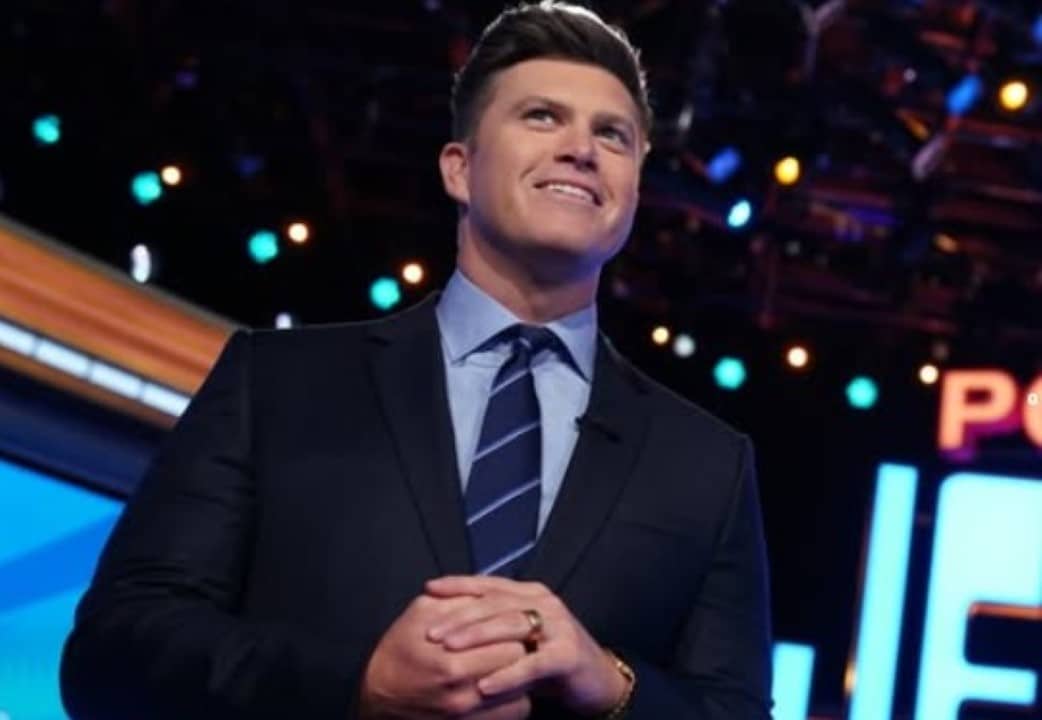
Comedian and screenwriter Colin Jost starred in an unusual moment during the live broadcast of the humorous program Saturday Night Live, broadcast directly from the NBC studios on Nova York. Durante the traditional satirical painting known as Weekend Update, the presenter decided to break protocol and stop reading the teleprompter. The attitude occurred shortly after one of his jokes generated a negative and audible reaction from the audience present in the television attraction’s studio.
The incident highlighted the unpredictable dynamics of live broadcasts on North American television. Jost, who shares the segment’s bench with fellow comedian Michael Che, was addressing the week’s news when he touched on a sensitive subject related to safety in civil aviation. The audience’s immediate response forced the host to break character and confront viewers directly, altering the planned flow of that night’s script.
The structure of the program allows this type of interaction, but the direct breaking of the fourth wall to question the audience’s behavior is a resource used sparingly by the team. The elements that made up the episode include specific facts from the live production:
– Reading a factual news story about recent aviation incidents involving commercial aircraft.
– The display of a manipulated graphic image on the screen for strictly comic purposes.
– The sound of collective disapproval captured by the directional microphones installed on the studio ceiling.
– The dramatic pause and deviation from the script pre-approved by the general management of the comedy program.
Details of the aviation incident covered in the script
The joke that triggered the public’s reaction was directly linked to a real event involving a model Boeing 737-800 aircraft. Semanas Before broadcast, a commercial flight made global headlines after losing an outer fuselage panel while mid-air. The case generated rigorous investigations by aviation regulatory agencies and raised questions about aircraft manufacturers’ maintenance and quality control protocols. Images of the hole in the side of the plane circulated widely in the news, creating a climate of apprehension among frequent flyers and professionals in the airline industry.
In the Weekend Update script, the writing team used this context to create a visual analogy. The production showed an image that simulated the emergency door ripped off the aircraft, associating the empty space with uncomfortable everyday situations. The intention was to use the absurdity of the aeronautical situation to generate a comical break in expectations in the studio. However, the temporal proximity of the actual incident and the potential severity of the mechanical failure caused the joke to cross the line of acceptable for most of those present at the recording, resulting in an immediate vocal response.
Immediate reaction and breach of protocol in the studio
As soon as the image appeared on the monitor and the catchphrase was uttered, a murmur of disapproval filled the room. The sound, characterized by restrained groans and subtle boos, was loud enough to overpower the background track and be transmitted clearly to viewers at home.
Faced with the icy reception, Colin Jost stopped reading the next lines that scrolled on the screen in front of him. Ele looked directly at the studio stands and questioned the audience’s selectivity, pointing out that they had laughed at much darker topics minutes earlier during the same block.
The comedian highlighted the irony of the situation, stating that the audience accepted humor about crimes and historical tragedies, but considered satire about the structural integrity of a commercial plane unacceptable. Essa improvised response brought genuine laughter, reversing the tense atmosphere in the studio.
Special participation and dynamics of the episode
The climate of unpredictability was not just restricted to the satirical news bench. The episode in question featured actor Ryan Gosling, who participated in several sketches throughout the night, taking on the role of host of the week.
One of the most striking scenes involved Gosling and cast member Mikey Day portrayed as the animation characters Beavis and Butt-Head. The makeup and costumes were extremely precise and cartoonish, which caused interruptions in the performance of the professionals involved in the sketch.
Actress Heidi Gardner, who starred with the duo, was unable to maintain the seriousness required by the script. When she turned around and saw Gosling’s characterization, she broke character and started laughing uncontrollably during the live broadcast, needing a few seconds to recover her posture.
These moments of human error and improvisation ended up becoming the highlights of the audience. The combination of Jost’s breach of protocol with the actors’ fits of laughter consolidated the episode as a classic example of the organic nature of the television program.
The format of live television humor
Producing a live comedy show requires constant adaptation to environmental responses. Diferente of recorded and edited series, where comic timing is adjusted in post-production, Saturday Night Live depends entirely on the energy of the room and the acoustic response of the audience. The writers test the material extensively during dress rehearsals held hours beforehand, but the audience’s reaction during the official broadcast remains an uncontrollable variable. Quando a joke fails or creates discomfort, the presenter has fractions of a second to decide whether to ignore the silence, speed up the reading or address the situation head on to regain control of the segment.
The choice to confront the audience is a risky but often rewarding technique in the sketch format. By publicly acknowledging discomfort, the comedian validates the viewer’s experience and creates a new layer of humor based on metalanguage and self-deprecation. In the specific case of the joke about the airplane manufacturer, the improvised defense of the script demonstrated the mental agility necessary to anchor a segment that mixes a news format and satire under the pressure of a national broadcast to a massive audience.
Repercussion on digital platforms and networks
Minutes after the east coast broadcast of Estados Unidos ended, clips from the program began to dominate discussion forums and short video platforms on the internet. The specific excerpt in which the presenter abandons the teleprompter has been isolated and shared thousands of times, generating extensive debates about the limits of humor and the modern public’s sensitivity to industrial disasters. Especialistas in television media pointed out that the viralization of this type of organic content is essential for the survival of traditional formats in the era of on-demand consumption. The show’s ability to generate unscripted moments that become digital talking points the next day proves the resilience of the live broadcast model established in the 1970s. Online engagement not only expanded the reach of the original aircraft joke, but also solidified the anchor’s reputation as a professional capable of mastering adverse situations in real time, maintaining the show’s cultural relevance in a highly fragmented media landscape.
Continuity of the attraction on the broadcaster’s schedule
NBC maintains the program as one of the unshakable pillars of its late-night programming on Saturdays. The technical structure that allows visible glitches, script improvisations and direct interactions with the audience in the studio continues to attract major advertisers and viewers looking for authentic entertainment, without the filters and cuts of conventional television editing.
Impact on writers’ production routine
Internally, episodes with a high rate of improvisation and script breaks serve as mandatory study material for the writing team. Detailed analysis of audience reactions helps to calibrate the tone of the jokes for the following weeks, adjusting the necessary balance between the provocative humor and the light entertainment required by network television.
The aviation news incident reinforced the guideline that the presenter’s vocal delivery and posture are as important as the text written on the paper. The confidence to temporarily abandon the script and dialogue with the studio remains one of the most valued skills in selecting and maintaining the fixed cast of the New York comedy attraction.
