
Asteroid 2024 YR4 does not collide with the Moon in 2032 confirm NASA observations
Asteroid 2024 YR4 no longer poses a risk of impact with Lua on December 22, 2032. Novas observations carried out by Telescópio Espacial James Webb allowed refining the object’s orbital trajectory. NASA’s Cientistas and Agência Espacial Europeia confirmed that the celestial body will pass a safe distance from the lunar surface. The update completely eliminates the previous collision probability of 4.3%.
The object was discovered at the end of 2024 and initially drew attention due to a small chance of a dangerous approach to Terra in the same year of 2032. Subsequent Observações eliminated any threat to the planet. Posteriormente the calculations indicated the possibility of a lunar impact. Agora With more precise data, the scenario changed definitively.
Orbital trajectory refinement
Two additional observations made on February 18 and 26, 2026 by the NIRCam instrument on James Webb captured the asteroid even though it was an extremely faint target. Esses data reduced uncertainties in the orbit. Especialistas from Center for Near-Earth Object Studies from NASA refined the calculations.
The minimum expected distance is now approximately 21,200 kilometers from the surface of Lua. Essa margin eliminates any possibility of direct collision. The precision obtained represents an advance in the ability to track objects close to Terra.
On the same topic: The James Webb Space Telescope eliminates the risk of a lunar impact from asteroid 2024 YR4 in 2032
Asteroid details and monitoring
The 2024 YR4 has an estimated diameter of between 53 and 67 meters, which makes it comparable to the size of a medium-sized building. Seu low albedo makes detection difficult over long distances. The James Webb telescope proved essential for observations when the object moved away and was beyond the reach of ground-based telescopes.
Astronomers highlight that the asteroid will continue to be monitored in the coming years. Ele will return to the field of view in 2028 allowing new measurements. The case demonstrates how technological advances accelerate the reduction of uncertainties in potential risks.
Context of previous observations
Before recent measurements the probability of a lunar impact was estimated at 4.3% based on limited data. Essa estimate generated attention in the scientific community. An impact could create a significant crater and release debris but this will not happen now.
The collaboration between NASA ESA and the James Webb teams was fundamental. The observations were carefully planned to capture the asteroid’s faint signal against the stellar background. The results reinforce the continued importance of monitoring nearby objects.
Impact of new discoveries
Scientists say Lua remains safe and 2024 YR4 poses no danger. Planetary defense work continues with a focus on early detection. Casos like this show that early warnings are common but often resolved with more data.
The asteroid will pass close by but without consequences for the natural satellite or terrestrial systems. The calculated distance offers a wide margin of safety. Equipes internationals remain vigilant for future updates.
Advances in asteroid detection
Telescopes like the James Webb expand observation capabilities for faint and distant objects. Isso allows you to quickly refine orbits. The technique applied here demonstrates potential for future threats.
Understand the case: Seven-ton asteroid hits the atmosphere over Ohio and raises alert for planetary defense
The episode highlights the evolution of planetary defense. Alertas are issued based on initial data and refined later. The absence of lunar risk reinforces the reliability of current monitoring systems.
More news in News (EN)
See more → Samsung releases new system update with new features for Galaxy Watch 4 users
 Digital retail reduces the value of the Galaxy S25 5G smartphone with bank bonuses and device exchange
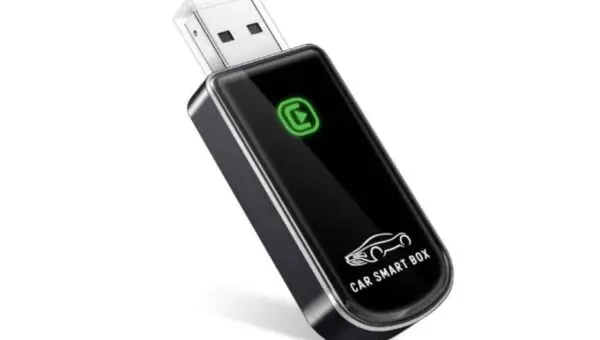 Amazon’s wireless CarPlay adapter has a 50% discount and high approval ratings from drivers
 Zach Cregger’s new Resident Evil ignores games and focuses on an unprecedented story with new characters
 Rumor suggests that Nintendo is preparing a special edition of the Switch 2 with a remake of Ocarina of Time
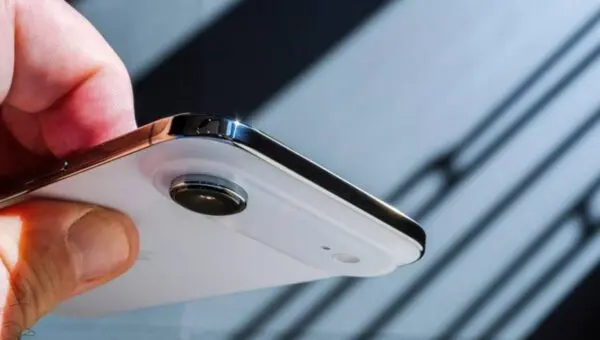 Apple accelerates production of the iPhone 17e and develops new Air model with dual camera system
 Epic Games platform releases twelve high-budget games at no permanent cost for PC users
 PlayStation 5 Pro price drop accelerates digital retail sales and eliminates global stocks
 New Galaxy Watch 9 firmware appears on server and confirms progress in software development
 Apple’s commemorative project tests cell phone with 1.1 millimeter edge and curved screen for 2027
 New Apple system update optimizes urgent task management for iPhone users
 Leak details hardware of the new portable PlayStation with superior graphics to the Xbox Series S
More news on Mix Vale
- 1Oppo officially launches the Find X9 Ultra worldwide with Hasselblad lenses and robust battery
- 2Tim Cook reveals new iPhone and iPod prototypes in celebration of Apple’s fiftieth anniversary
- 3New edition of foldable smartphone brings gold finish to Winter Games competitors
- 4Android system receives native Gemini Nano 4 integration for offline processing on smartphones
- 5Samsung updates QuickStar module and expands visual control of the panel in the One UI 8.5 interface
- 6Leak reveals Lords of the Fallen and Sword Art Online in April’s PS Plus Essential catalog
- 7New Xiaomi 18 Pro Max smartphone integrates two 200 MP cameras and latest generation processor
- 8Manufacturers update premium smartphone photo sensors with focus on zoom and artificial intelligence
- 9Apple develops new foldable iPhone and prepares special edition to celebrate 20 years of the brand
- 10Manufacturer OPPO confirms official date to reveal new Find X9 Ultra and Pro smartphones with a focus on cameras