

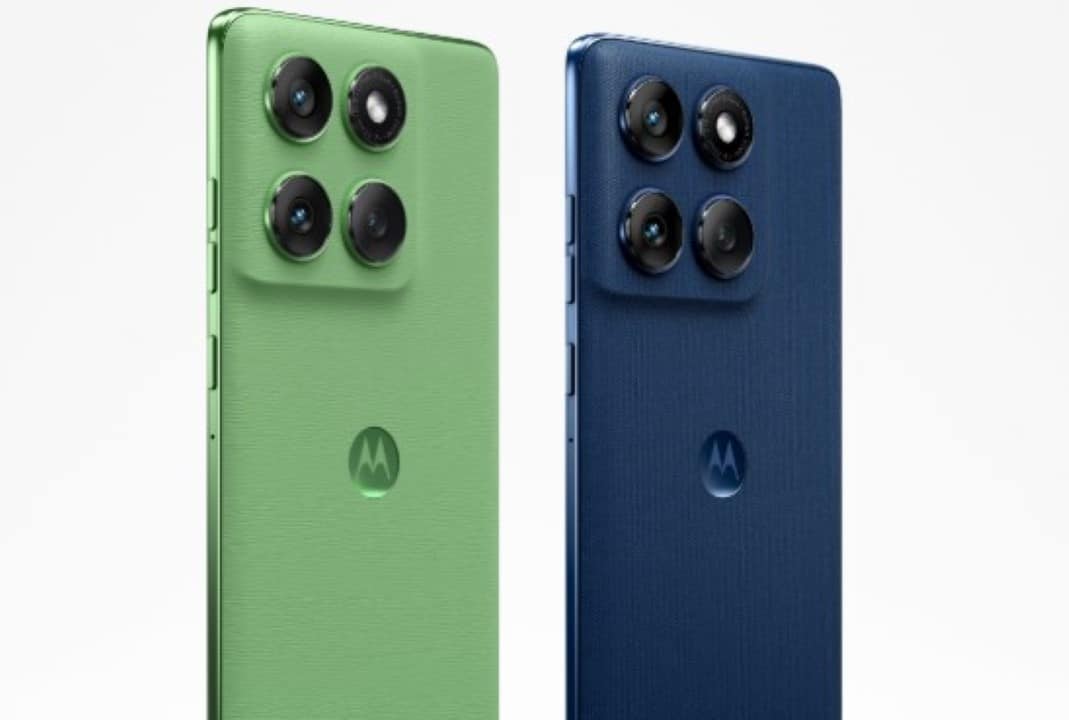
The mobile device market records significant movement with the recent reduction in value of the Motorola Edge 60 5G, which can now be purchased at retail for less than R$2,000. The device attracts the attention of consumers by showing on its technical sheet the capacity of 24 GB of RAM, a number considerably higher than the standard found in models in the same price category. Essa technical specification generates debates among experts about the real impact on users’ daily performance and the need for so much temporary processing space.
Understanding this hardware architecture requires a detailed analysis of how manufacturers manage the internal resources of modern phones. The volume announced in advertising campaigns does not entirely refer to physical components dedicated exclusively to this process acceleration function. Existe software engineering operating behind the scenes of the system that makes this expressive brand possible, changing the way the phone handles data storage.
The mechanism uses a combination of different hardware to deliver the fluidity promised to buyers. Essa technical approach reflects a trend in the smartphone industry to optimize components already present in the device’s chassis to extend the operating system’s useful life and avoid crashes during the use of heavy applications.
How the memory architecture works on the device
Random access memory, known by the acronym RAM, acts as the immediate workspace of the central processor. The Motorola Edge 60 5G is factory equipped with 12 GB of physical RAM, a high-speed silicon chip soldered directly to the equipment’s motherboard. Essa real capacity already guarantees agile navigation between multiple simultaneous applications and supports games with high graphical demands without showing noticeable slowdowns.
The other 12 GB that complete the sum announced by the manufacturer come from a software technology called RAM Boost. Esse feature virtualizes a portion of the phone’s internal storage, transforming storage space for static files into temporary processing memory. The operating system manages this transition automatically, identifying moments of processing overload.
When the physical limit approaches exhaustion, the software activates the reserved space on the internal disk to avoid the sudden closure of tasks running in the background. Essa technical maneuver ensures that the user keeps dozens of browser tabs and social networks open, preserving the exact state of each application at the time it was minimized.
Impacts of Virtual Storage on Read Speed
Despite the efficiency of the virtualization system, there is a structural difference in speed between the components involved in the process. Physical RAM operates at extremely high data transfer rates designed for fraction-of-a-millisecond responses. Internal storage, no matter how advanced the reading standard used by the industry, has a natively lower recording speed.
This technical disparity means that data allocated to the virtual partition takes slightly longer to be processed by the central drive. In extreme usage situations, the user may notice a change in responsiveness when quickly switching between video editing applications or open-world games that have been temporarily moved to RAM Boost.
Another relevant technical factor involves compromising the phone’s definitive storage space. The Motorola Edge 60 5G offers 512 GB of total capacity for storing photos, videos and text documents. When activating maximum virtual memory expansion, the system permanently locks 12 GB of this space, making it inaccessible for saving the owner’s personal files.
Mobile hardware experts point out that, for standard navigation and communication routines, the physical 12 GB already meets all operational needs. The technical recommendation to optimize the use of the device involves keeping the virtual resource disabled or configured at lower levels, such as 4 GB, freeing up the internal disk for media and ensuring that the processor only seeks data from the fastest chip.
Screen Specifications and Processing Capacity
The front panel of the device features a 6.7-inch pOLED screen with an Quad-Curve design, characterized by rounded edges that expand the user’s field of vision. The resolution of 1220×2712 pixels works together with a refresh rate of 120 Hz, delivering fluid image transitions and high definition for the consumption of audiovisual content on streaming platforms. pOLED technology offers structural advantages in manufacturing, allowing the construction of thinner displays, in addition to guaranteeing support for the HDR10+ standard, which intensifies the contrast and accuracy of colors reproduced on the interface.
The management of all these visual functions is the responsibility of the Dimensity 7300 processor, a chipset developed to operate at a maximum frequency of 2.5 GHz. The chip’s architecture allows it to run cutting-edge productivity and gaming software with thermal stability, preventing the metal and glass chassis from overheating during prolonged sessions of continuous use.
Photo sensors and image capture capabilities
The camera system receives attention from the manufacturer with the implementation of a 50 MP main rear sensor. The lens features intelligent image stabilization, a physical mechanism that compensates for hand shake when recording moving videos and capturing night photos. Photo processing software includes Night Vision mode, specifically calibrated to absorb maximum light in dark environments, revealing precise textures and contours.
The front camera has the same 50 MP resolution, an unusual technical standard for selfie lenses in the mid-range device category. Essa specification directly addresses enterprise demand for high-clarity video calls and digital content creation. The photo system also integrates everyday productivity tools, such as a native Adobe scanner that automatically adjusts the framing and contrast of text documents.
Water and dust resistance certifications
The physical durability of the device is attested by two international environmental protection certifications, an important technical difference in its price range. The device has the IP68 seal, which guarantees complete sealing against the entry of fine dust particles and allows submersion in fresh water at depths and times determined by laboratory tests. Adicionalmente, the model boasts IP69 certification, an industrial level degree of protection that ensures the integrity of the chassis even when subjected to high pressure water jets and high temperatures. Essa dupla camada de segurança estrutural reduz drasticamente os riscos de danos acidentais causados por derramamento de líquidos, chuvas intensas ou quedas em poças d’água, prolongando a vida útil do equipamento e diminuindo a necessidade de acionamento de serviços de assistência técnica especializada.
Energy autonomy and connectivity standards
Hardware power supply is supported by a 5,200 mAh battery, a capacity designed to support the demands of the 120 Hz screen and processor during a full day of operation. The system supports fast charging protocols, allowing the charge to be replenished in just a few minutes when connected to the wall socket. The wireless communication structure integrates modems compatible with 5G networks, ensuring optimized download rates in areas covered by the new telecommunications technology.
Device positioning in the current market
The commercial strategy of pricing the device below the R$2,000 mark changes the competitive dynamics in the mid-range smartphone segment. The combination of 512 GB of internal space, high-resolution cameras and endurance certifications creates a competitive technical specifications package. The consumer will find hardware prepared to support operating system updates and communication application requirements for the coming years, without the need for early equipment changes.
The exact understanding of how virtual RAM memory works demystifies the numbers presented at retail, revealing that the device’s processing capacity resides in its physical 12 GB. Conscientious use of system settings allows you to extract maximum performance from the Dimensity 7300 processor while maintaining software stability. The technical set delivered by the manufacturer meets the needs of communication, entertainment and daily productivity, establishing a new standard of demands for the next launches in the mobile phone sector.