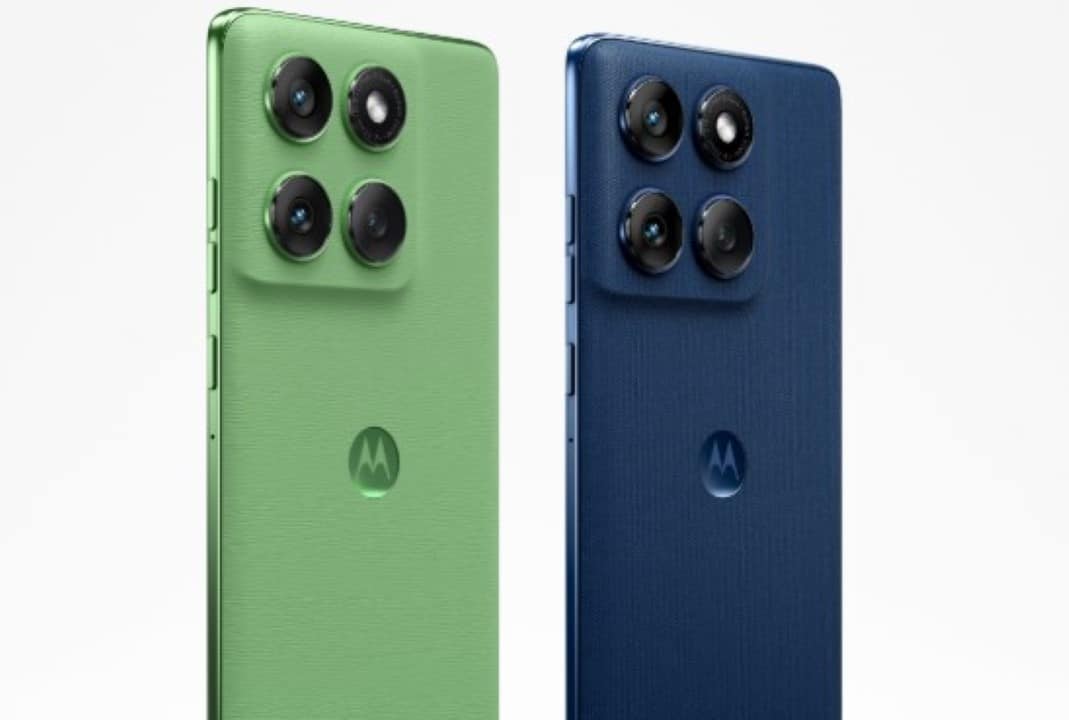
The mobile device market records significant movement with the recent price drop of the Motorola Edge 60 5G. The device is now sold for less than R$2,000 in national retail. The change in financial level attracts consumers in search of advanced technical specifications.
One of the main attractions promoted by the model’s advertising campaigns involves the processing and storage capacity. The manufacturer highlights the presence of 24 GB of RAM in the product’s technical sheet. Esse numerical volume generates debates about the real functioning of the internal hardware.
Detailed analysis of the components reveals that the smartphone’s architecture uses a hybrid data allocation system. Compreender the division between physical memory and software resources becomes essential to evaluate the cost-benefit of the equipment in the current price range.
Commercial strategy and device positioning
The reduction in market value puts the smartphone in direct competition with devices in the premium intermediate category. The brand’s strategy aims to capture users who need high performance without investing in superior lines. The limit of R$2,000 works as a strong psychological trigger for the Brazilian consumer.
In this competitive scenario, technical specifications play the role of a decisive differentiator at the time of purchase. The offer of a robust memory and storage package attempts to justify choosing the model over rival brands. The consumer begins to demand transparency about the actual functioning of each advertised component.
Practical operation of virtual expansion technology
The promise of 24 GB of RAM requires a technical explanation of the operating system architecture. The device physically has a dedicated chip with 12 GB of conventional RAM memory. Esta is the piece of hardware responsible for guaranteeing the speed of access to immediate data required by the central processor.
The remaining 12 GB is generated through a software technology known as RAM Boost. The operating system reserves a portion of the 512 GB internal storage to act as back-up memory. Esse allocated space is no longer available for storing user photos, videos and documents.
The difference in speed between the two types of memory directly impacts the usage experience in extreme situations. Physical RAM memory has significantly higher read and write rates than the internal storage module. The activation of the virtual resource only occurs when the physical capacity reaches its maximum operating limit.
For the average usage profile, the 12 GB physical already delivers absolute fluidity in the transition between heavy applications and games. Enabling virtual expansion works as a system safety margin, preventing background tasks from suddenly closing. Especialistas recommend keeping the feature disabled to preserve native storage space.
Processor performance and storage capacity
The management of all smartphone tasks is the responsibility of the Dimensity 7300 processor, which operates at a frequency of up to 2.5 GHz. The integration of this chip with 12 GB physical RAM creates a stable processing environment, free from unwanted stutters or interruptions during prolonged use of the equipment.
The space allocated to storing files follows the high performance proposal of the mobile device. The device leaves the factory with 512 GB of internal storage, a volume capable of housing thousands of high-resolution photographs, dozens of hours of videos and a vast library of applications. Essa massive capacity reduces the need to hire cloud services and offers peace of mind to users who produce a lot of audiovisual content daily, even with the possible space reservation required by the virtual memory system.
Visual quality and construction of the front panel
The media consumption experience on the device is dictated by the technical characteristics of its 6.7-inch pOLED Quad-Curve display. The panel delivers a resolution of 1220×2712 pixels, ensuring extreme clarity when displaying texts and images, while the 120 Hz refresh rate provides extremely fluid visual transitions, a crucial factor for gamers and users who scroll through social media feeds quickly. The technology used in the display supports the HDR10+ standard, which results in deep contrast, absolute blacks and vibrant and accurate color reproduction. The design with curvature on all four edges eliminates side frames, giving a sophisticated and immersive appearance that maximizes the usable viewing area. The choice of pOLED material also adds a layer of durability and structural flexibility to the component, reducing the risk of permanent damage in the event of accidental impacts during daily handling of the equipment.
Image capture system and photographic resources
The rear camera module receives special attention with the implementation of a 50 MP main sensor manufactured by Sony. The lens captures a high level of detail and features intelligent stabilization to prevent blur in moving photos. Image processing software works in conjunction with hardware to instantly optimize results.
Photography in low-light environments is enhanced with the Night Vision mode integrated into the system. The technology groups pixels to absorb more light, revealing elements hidden in darkness without the need for artificial flash. The device also features native document scanning tools with automatic perspective correction.
The front camera matches the resolution of the main sensor, also delivering 50 MP for self-portraits and video calls. The high megapixel count in the selfie lens ensures precise cropping in portrait mode and crystal-clear images for live broadcasts. The optical set fully meets the demands of digital content creators.
Resistance and protection certifications against the elements
The physical structure of the smartphone presents an unusual level of protection for its price range, boasting IP68 and IP69 certifications. The first guarantees the survival of the device in cases of accidental submersion in fresh water and blocks the entry of fine dust. The second certification attests to resistance against high-pressure water jets and high temperatures, providing military-standard durability to the equipment’s chassis.
Energy autonomy and network connectivity
Power supply for the advanced hardware relies on a battery with a nominal capacity of 5,200 mAh. The volume exceeds the current market average and promises to keep the device away from sockets for a full day of intense use. Intelligent processor management helps optimize consumption during lighter tasks.
Support for fast charging technology comes with the product, allowing quick charge replacement in times of urgency. Integration with 5G networks completes the technological package, ensuring ultra-fast download and upload rates. The stability of the connection perfectly suits high definition streaming consumption and competitive online gaming.
