

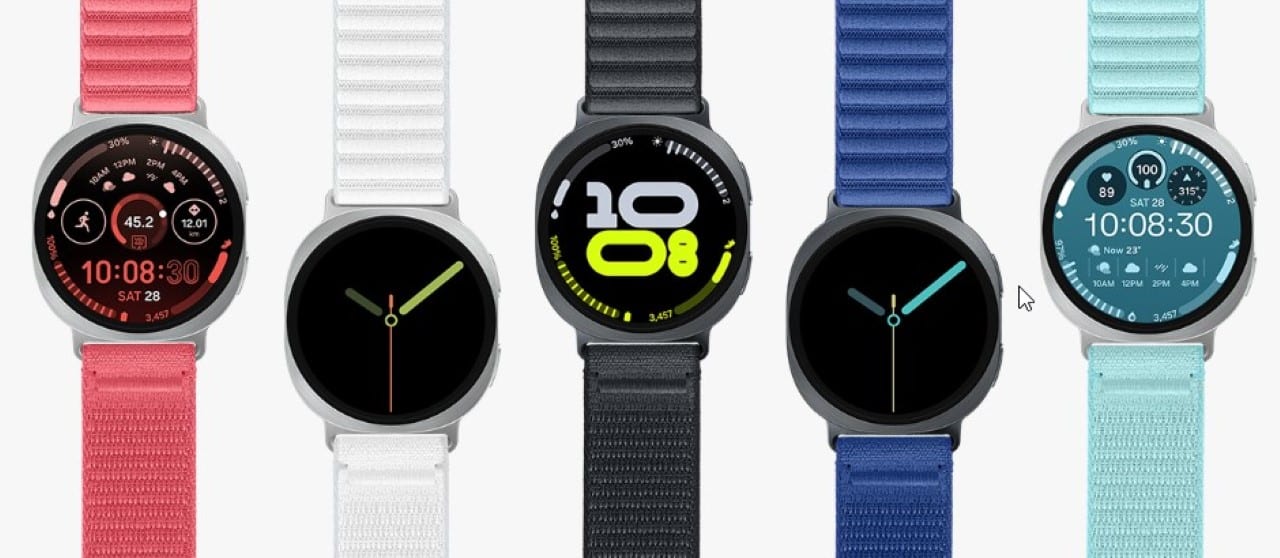
The Asian technology company has begun a broad release schedule for a new package of software fixes aimed at its latest generation of wearable devices. The maintenance measure covers the standard and classic editions of smart watches in the eighth line, also extending to the entry-level model focused on cost-benefit. The process of sending files occurs gradually and segmented by region, encompassing both equipment that depends on the Bluetooth connection and variants equipped with autonomous support for mobile networks.
Users who have compatible devices now have the possibility of checking the download release directly through the system interface or using the official management application on the paired smartphone. The successive batch distribution strategy is a standard adopted by the electronics industry to ensure quality control. Essa approach allows development teams to monitor deployment stability in early markets before expanding access to the global consumer base.
The main purpose of this initiative is to ensure the integrity of information stored on wrist devices, drastically reducing the risks associated with external intrusions or network communication failures. Especialistas in information security advise that the installation of the corrective package be carried out immediately after the notification is displayed on the watch screen. The agility in code application guarantees an instant layer of protection against the most recent cyber threats mapped in the digital environment.
Fixing vulnerabilities in the operating system
The software package targeting forty- and forty-four-millimeter models in addition to the classic forty-six-millimeter edition implements a robust set of fixes to the system’s structural defense. The software engineering team identified and neutralized thirty-seven security holes of different severity levels that could be exploited by external actors. The immediate closure of these gateways strengthens the digital barrier, preventing code failures from compromising the functioning of the hardware and the individual’s privacy.
Maintaining cyber protection is a critical factor considering that today’s smart watches process a massive amount of strictly personal data. Esses small devices record continuous health metrics, precise geolocation histories, and store encrypted credit card tokens for contactless payments. Qualquer Neglected vulnerability represents a risk of leakage of sensitive information, justifying the urgency in distributing fixes to keep the ecosystem shielded against unauthorized interception.
Identification of released firmware versions
The process of checking the current operating system version requires the user to access the smart watch’s settings menu. Correctly identifying the installed firmware is the initial step to confirm whether the device has already received security modifications.
For standard edition owners, build codes vary depending on display size. The forty-four millimeter model receives the L335USQU3AZB4 version, while the smaller forty-millimeter variant is updated with the L325USQU3AZB4 package.
In the case of the classic edition, which has a different design and physical rotating ratchet, the installation file is unified to a size of forty-six millimeters. The identification code released for this specific model is L505USQU3AZB4.
Impact of file sizes and network requirements
The software packages distributed in this phase are of considerable size, varying between four hundred and twenty-four and four hundred and thirty megabytes, depending on the region.
This significant volume of data indicates a profound restructuring of the operating system’s source code, going beyond simple superficial interface adjustments.
Due to the weight of the file, the technical recommendation is that the download be performed exclusively via a high-speed wireless network with a constant signal.
This preventive measure prevents unwanted consumption of the paired smartphone’s mobile data allowance and guarantees the integrity of the package during transfer to memory.
Input model-specific software schedule
The manufacturer’s technical support strategy also encompasses devices developed for the cost-benefit segment, ensuring that no portion of consumers remains exposed to digital risks. The FE edition, designed to deliver essential features at a more affordable commercial price, follows an update schedule independent of the premium models. Este specific device is receiving the software version identified by the alphanumeric code R866USQS1BZA2, focused strictly on stability and security.
The difference in release schedule between high-end lines and entry-level versions is a standard operating dynamic in the wearable technology market. Essa separation occurs due to the need to adapt and optimize the source code for different processor architectures and RAM capacities. Apesar of the distinct time interval, maintaining active support proves that the protection of financial and health data is treated as a universal requirement, regardless of the category of product purchased by the customer.
Technical procedures required for safe installation
The transition process to the new version of the system requires strict attention to several basic hardware requirements to avoid critical failures that could permanently render the watch unusable. The most direct way to start checking availability is to access the main settings menu of the wrist accessory itself. Then, the user must scroll the interface to the software update tab and request a manual search on the Asian manufacturer’s servers. Alternativamente, it is possible to execute this same command remotely through the control panel of the management application installed on the paired smartphone. Communication via Bluetooth or wireless network between the phone and the watch must remain perfectly stable throughout the installation file transfer step. Qualquer Abrupt interruption in the radio signal may corrupt the temporary data packet and force the entire download procedure to restart completely. A non-negotiable technical requirement imposed by the operating system to authorize the modification is the current charge level of the built-in battery. The flash memory rewriting procedure consumes a considerable amount of energy due to the intense use of the central processor during file decompression. For this safety reason, the software automatically blocks the application of changes if the power display indicates less than fifty percent of total capacity. The engineers’ ideal recommendation is to keep the device firmly attached to its magnetic charging base while the progress bar advances on the screen, ensuring that there is no power outage at the most critical moment of the update.
Optimization of daily performance and fluid navigation
The continuous application of corrective packages goes beyond shielding against virtual attacks, resulting in noticeable improvements in the daily functioning of the equipment. Indivíduos who reported slight delays when switching between time displays or slow loading of native apps tend to see more immediate touchscreen response and smoother navigation after a system restart.
Accuracy in physical monitoring and data tracking
In the physical activity tracking segment, the accuracy of the algorithms is directly linked to optimized software that is free from background processing conflicts. Biometric sensors that read heart rate, measure blood oxygenation and analyze sleep stages generate a constant flow of information that requires absolute stability from the operating system.
The code cleanup provided by these updates ensures that communication between the optical components and the central processor occurs without latency. Desta way, the accuracy of the smart watch as a preventive health tracking instrument is preserved, ensuring that reports generated for medical analysis reflect the user’s actual state with maximum technical fidelity.