

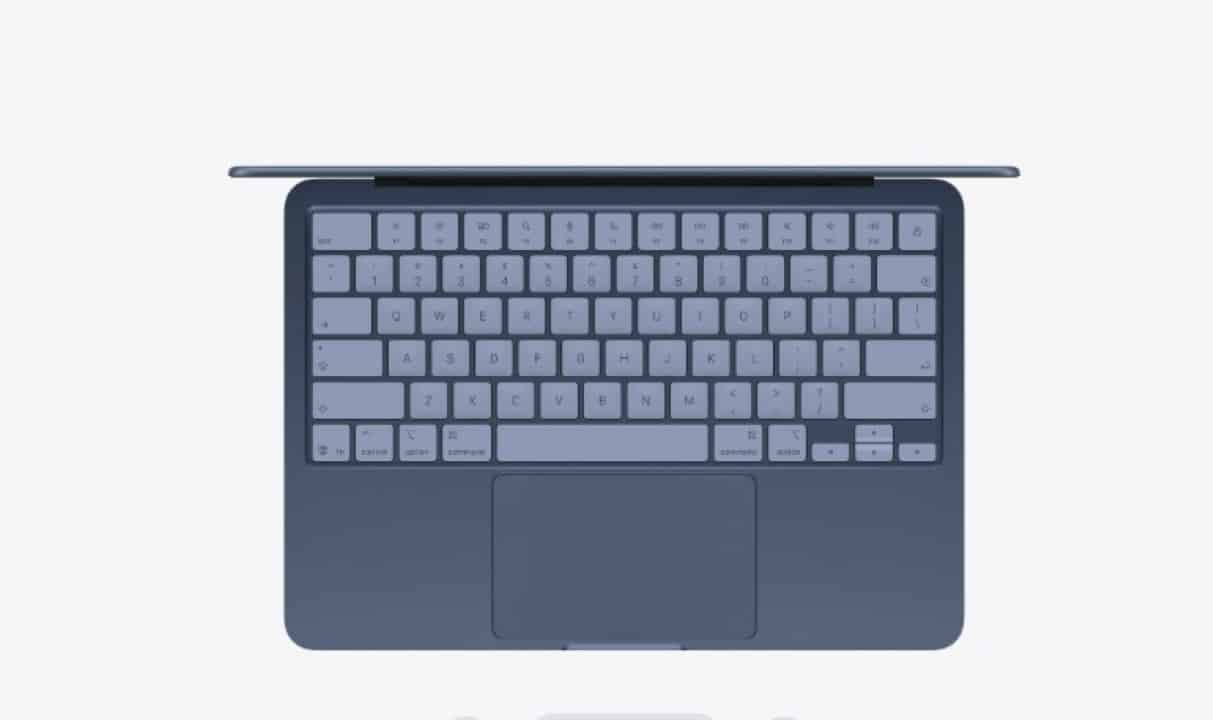
The technology giant based in Cupertino has officially announced the arrival of a new portable computer aimed at the entry-level segment. The equipment hits shelves with a suggested price of US$599, marking a significant change in the way the brand serves consumers looking for value for money. The move surprised industry analysts, as the company has spent the last few years focusing its efforts on promoting tablets as the main productivity tool.
For a long time, the manufacturer defended the idea that its mobile devices with touch screens would be natural replacements for traditional computers. Campanhas global advertisers reinforced the lightness and modernity of these devices compared to conventional notebooks. However, the acceptance of this format for complex tasks has met with resistance from users who depend on more robust operating systems.
The introduction of this new notebook indicates a practical recognition of the limitations found in the previous strategy. The newly launched product offers an integrated physical keyboard and a full desktop operating system, features that the entry-level audience continued to demand. Essa move puts the brand on a direct collision course with manufacturers of PCs and devices aimed at students and professionals at the beginning of their careers.
Paradigm change in the manufacturer’s product line
The change in the company’s product development philosophy highlights a pragmatic reading of current consumer behavior. The new $599 notebook abandons the premise that physical keyboards are optional accessories or tools of the past. The equipment leaves the factory with traditional connection ports and a software environment designed specifically for intensive multitasking.
This abrupt transition contrasts sharply with the discourse adopted by the company over the last decade. The brand’s tablet line became progressively more complex, with overlapping prices and features that ended up confusing the average buyer. The current launch simplifies the user’s choice, delivering a machine ready for immediate use without the need for adaptations or additional purchases.
Operating system transition and daily usability
The macOS operating system on the new device offers a familiar and highly efficient work environment for managing multiple windows. Estudantes and office professionals depend on this fluidity to carry out research, write documents and organize spreadsheets simultaneously. The software architecture of a desktop computer handles these requirements organically, without the bottlenecks often reported in retrofitted mobile operating systems.
Interoperability between different programs and classic file management remain fundamental pillars for daily productivity. The absence of software compatibility barriers ensures that critical applications run at peak performance. Esse level of stability is a non-negotiable requirement for users who use the machine as their main work or study tool.
Reports on technology forums demonstrate a growing preference for traditional notebooks when the purpose involves schoolwork or rigorous professional demands. Pais and educators often opt for full-featured computers due to the shorter learning curve and interface geared toward content production. The new equipment fills exactly this gap, offering a well-known tool at an affordable price.
Additional costs and the barrier of integrated accessories
The value proposition of tablets as economical alternatives suffered a considerable setback when hidden costs were factored in. The acquisition of official keyboards and protective covers with trackpad raised the final price of the set to levels higher than those of many premium notebooks. Essa financial dynamics alienated consumers who operated with limited budgets and were looking for a complete solution in a single purchase.
The investment required to transform a mobile device into a functional workstation undermined the promise of accessibility. A user who needed to type long texts or navigate accurately was forced to shell out hundreds of additional dollars on peripherals alone. Consequentemente, the perception of cost-benefit was diluted, making the platform less attractive to the mass market.
By offering a portable computer that already integrates a screen, keyboard and trackpad for a fixed price of US$599, the manufacturer eliminates the fragmentation of the shopping experience. The consumer is clear about the exact amount that will be invested to obtain a fully operational machine. Essa commercial transparency is a decisive factor for sales conversion in the entry segment.
Fixing this strategic flaw validates long-standing criticisms from technology experts about the financial viability of the heavy-duty mobile ecosystem. The company demonstrates that it is attentive to the real demands of the market, prioritizing the delivery of a complete and cohesive package. The new business model simplifies the customer journey and strengthens the brand’s competitiveness on global retail shelves.
Acceptance in the education sector and direct competition
The school and academic environment represents one of the most contested battlefields for technology giants, requiring durable, affordable and easy-to-maintain equipment. Inicialmente, the manufacturer tried to introduce its tablets into schools with the promise of revolutionizing teaching methods through interactive applications and touch screens. Contudo, school network administrators faced significant logistical difficulties, from managing fleets of devices to the cost of replacing fragile peripherals. Professores also reported obstacles when trying to adapt lesson plans based on desktop operating systems to mobile interfaces, creating friction in large-scale adoption of the technology.
The launch of the new notebook represents a direct response to the dominance of competing systems, such as the Chromebooks, which have led government and institutional purchases for years. The offer of equipment with a fixed keyboard, robust operating system and aggressive price exactly meets the specifications of educational institutions. Analistas of the market point out that this movement has the potential to reconfigure market shares in the educational sector in the short term. The strategy demonstrates the company’s unprecedented willingness to sacrifice unit profit margins in exchange for sales volume and early loyalty from a new generation of users.
Reactions from the technology sector to the new positioning
The introduction of this portable computer generated intense movement behind the scenes in the hardware industry, causing revisions in the sales projections of several specialized consultancies. Jornalistas and technology critics highlight that the manufacturer finally delivered the product that the market had been requesting for more than a decade, filling a vacuum that it had created by focusing excessively on mobile devices. Embora the company’s official communication avoids direct comparisons that disparage its own tablets, the consensus among experts is that the new notebook cannibalizes part of the sales of the more expensive models in the mobile line. The clarity of the $599 device’s value proposition exposes the productivity limitations that have always accompanied touchscreens without a native keyboard. Concorrentes operating in the Windows ecosystem now face renewed pressure, as the apple brand begins to offer the prestige of its logo combined with a mature operating system at a highly competitive price. Essa portfolio readjustment indicates that the company’s leadership recognized the stagnation in the innovation of alternative formats and decided to focus on the classic shell-shaped design. The movement is interpreted as a victory of pragmatism over corporate stubbornness, ensuring that the company maintains its relevance in a global economic scenario that demands more rational and lasting consumer choices.
Sales trajectory and suitability for the end consumer
Commercial records in recent years indicated a stabilization followed by a slight retraction in the global sale of tablets, following the peak in demand generated by social isolation needs. The maturation of this segment has transformed mobile devices into home entertainment centers, distancing them from their image as primary workstations. The arrival of the new notebook acts as a financial compensation mechanism for the manufacturer, capturing consumers who had been putting off changing equipment due to a lack of viable options.
Directions for personal computing and adoption of new technologies
The emphatic return to the entry-level portable computer market suggests that the traditional notebook format is far from obsolescence. The manufacturer consolidates the view that different tools serve different purposes, clearly separating media consumption from the production of professional content. Essa segmentation protects the integrity of both product lines, allowing specific developments for each user profile.
Industrial speculation already points to the future integration of interactive screens in these new notebooks, a common feature in the competition, but historically rejected by the brand. Caso this technological update materializes in the next generations, the US$599 equipment will serve as the solid foundation of a new era of hybrid computers. The current strategy guarantees the necessary market share for future innovations to find a vast and consolidated user base.