
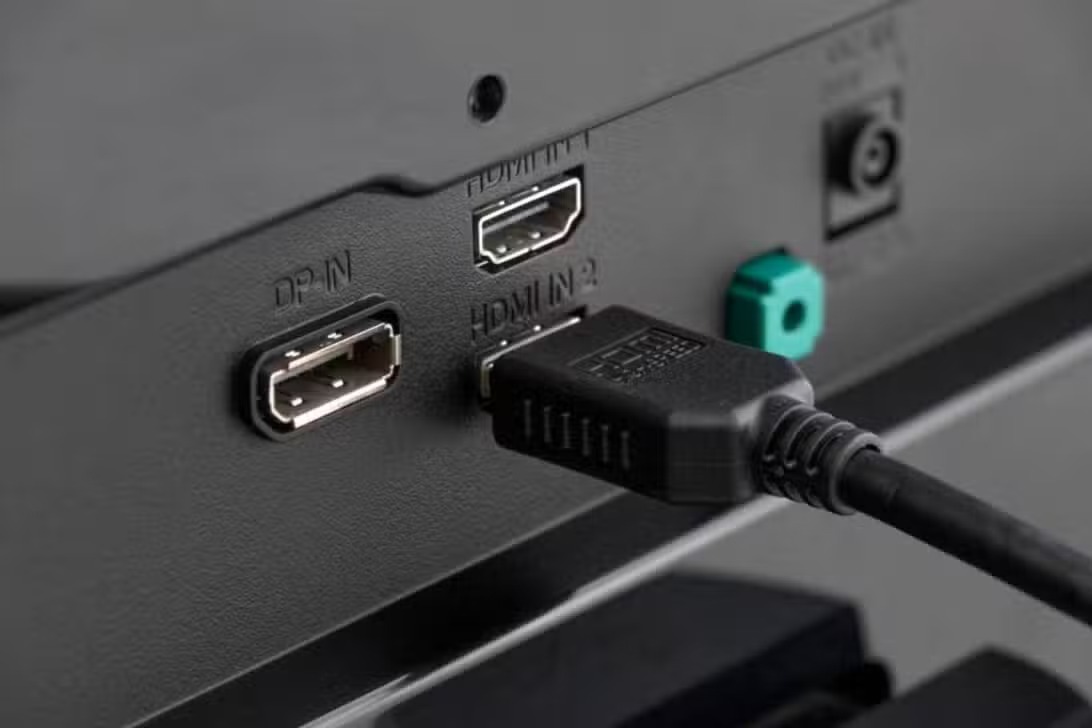
Consumers purchasing modern high-resolution televisions often face a technical limitation not clearly documented by manufacturers. Next-generation Aparelhos, such as the PlayStation 5, Xbox Series X, and media streaming devices operate below their maximum visual processing capacity shortly after initial installation in homes.
The restriction is due to a factory standard adopted by the electronics industry for video input ports. The high dynamic range format, known as HDR, and high refresh rates end up blocked by the television’s own operating system, limiting the flow of data that reaches the screen.
The absence of manual configuration results in direct losses in the reproduction of digital content. The main problems reported by video experts involve the following technical structural factors:
– Redução of color depth for formats less than 10 bits, eliminating smooth gradients.
– Compressão of chroma that causes visible distortions on the edges of texts and navigation menus.
– Bloqueio of the 120Hz frequency, essential for fluidity in competitive electronic games.
– Desativação variable refresh rate when playing fast, intense frames.
The average consumer rarely notices the failure right away, attributing the poor quality to the connected device itself rather than the screen settings. The lack of clear information in instruction manuals makes the situation worse, keeping expensive equipment operating at the performance of previous generations.
Technical reasons for factory limitation
Electronics manufacturers configure video ports in a strict compatibility mode to avoid communication failures with older devices. The measure aims to ensure that media players manufactured more than a decade ago work without showing black screens or no audio when connected to modern panels.
Fully freeing up bandwidth requires an intense stream of data that legacy devices cannot adequately process. By keeping the standard low, companies drastically reduce the volume of customer service calls related to image failures in basic day-to-day connections.
Visual losses on next-gen consoles
Bandwidth restriction directly affects the graphic processing of modern video games, forcing the system to automatically downgrade the video signal. Ocorre a forced transition to the color subsampling format, which compromises the sharpness required by advanced graphics engines and high-budget productions.
The lack of adequate color depth destroys the fidelity of dark and light tones, generating visible bands in areas that should have smooth lighting transitions. The phenomenon, technically known as color banding, impairs the visualization of complex scenarios and alters the original palette conceived by art directors.
Without activating the correct mode on the television, the console is unable to send the dynamic metadata necessary for HDR to fully function. The resulting image has washed out colors and lower contrast than the standard established by software developers, nullifying the advantages of high brightness panels.
Nomenclatures adopted by the main manufacturers
Solving the problem requires navigating through the television’s configuration menus, but the process is hampered by a lack of industry standardization. Cada brand uses its own terminology to describe the release of bandwidth on input ports, making it difficult to locate the resource.
The Samsung, on devices equipped with the Tizen system, hides the function under the name Sinal, Entrada Plus or HDMI UHD Color, depending on the year of manufacture. The user needs to locate the external device management tab to activate the key corresponding to the specific port used by the video game.
LG televisions, which operate with the webOS platform, require the search for the HDMI Ultra HD Deep Color option in the advanced image settings. Activation usually restarts the panel automatically to apply the new data transfer limit without corrupting the system.
The Sony adopts the term Formato Aprimorado in its Bravia line, requiring the owner to change the signal reception pattern manually to enable advanced features. Outras brands on the market, such as TCL and Panasonic, follow similar logic, hiding the vital function in submenus that are difficult for the lay public to access.
Hardware requirements for data transmission
Changing the television’s software only solves part of the technical bottleneck, making it mandatory to use suitable cables to support the new volume of information. The 2.0 broadcast standard requires a capacity of 18 gigabits per second to deliver maximum resolution at 60 frames, while the 2.1 standard increases this requirement to 48 gigabits per second. Using old or damaged wiring after releasing the band on the television results in immediate failures, such as signal interruptions, visual artifacts flashing on the screen and loss of synchronization between audio and video during playback.
The accessories market presents a wide range of products with false certifications, which confuses consumers when adapting the entertainment system. Cabos that do not have the correct shielding suffer electromagnetic interference, preventing the continuous flow of data from the console from reaching the screen’s image processor. Verifying the ultra-high speed seal issued by regulatory bodies becomes a fundamental step to ensure that communication between the image generating device and the panel occurs without loss of data packets.
Safety Procedures for Old Appliances
Coexistence between technologies from different generations on the same television requires careful management of input ports by the user. When activating the maximum data reception capacity on a specific connection, it is recommended to allocate this input exclusively to modern consoles or high-fidelity media players. Conectar an old device, such as a traditional operator signal decoder or an obsolete disc player, on a port configured for broadband can cause instability in the screen’s operating system. Older picture processors do not recognize the advanced communications protocol, resulting in decoding failures that freeze the display, generate static noise, or force automatic TV resets. Portanto, the physical organization of the cables and the memorization of which port has the enhanced configuration activated avoid hardware conflicts in the daily use of domestic equipment, preserving the useful life of the logic boards of both connected devices.
Adjustments to the players’ operating system
After releasing the port on the television and checking the cabling, the user must access the internal settings of the console or transmission device to force recognition of the new pattern. The video system needs to be restarted to perform a new screen reading, at which point the high frequency and expanded color spectrum capabilities are finally unlocked for continued use.
Technical standardization in the electronics market
The technology industry is studying ways to automate the recognition of high-performance devices through more efficient bidirectional communication protocols. The central aim of the new firmware updates is to eliminate the need for manual intervention in the menus, allowing the screen to adjust its bandwidth instantly when it detects a next-gen console.
While full automation does not become the factory default on all entry-level and mid-range models, checking video settings remains a mandatory step. The correct adjustment of parameters ensures that the financial investment in high-resolution equipment delivers the visual fidelity promised by the marketing campaigns of major brands.