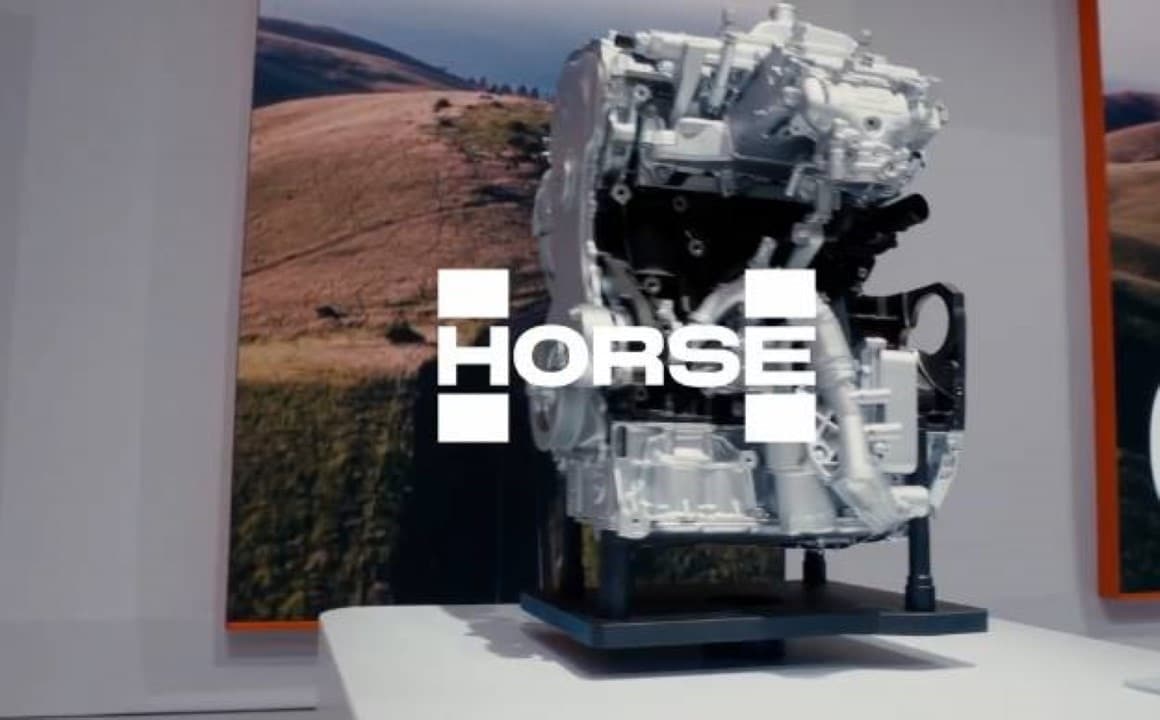
Global automotive engineering records a significant technical advance with the development of a new electrified powertrain focused on maximizing energy yield. The company Horse Powertrain has designed unprecedented equipment that exceeds the 98% efficiency mark, setting a new standard for the low-carbon mobility industry.
The machinery is designed specifically for hybrid and electric vehicle applications, using advanced materials to reduce magnetic and thermal losses during continuous operation. The introduction of this technology changes the development dynamics of automakers seeking to adapt to strict environmental standards in several global markets.
The main structural difference of the project lies in the replacement of conventional silicon steel with amorphous steel in the composition of the stator and rotor. Essa material change allows a profound optimization of the internal electromagnetic flow, resulting in almost total use of the energy provided by the batteries and avoiding the waste common in older traction systems.
Physical architecture and technical specifications
The architecture of the new component presents very specific operational and physical characteristics for the automotive assembly sector, delivering a maximum output power set at 140 kW. Aliado In addition, the system provides an instantaneous torque of 360 Nm, which is available from a standstill, ensuring quick responses to the accelerator.
The physical resizing of the equipment represents one of the greatest strengths of the engineering applied in this project, achieving a 50% reduction in the total volume and weight of the mechanical assembly. To achieve this level of compaction, the project requires the use of ultra-thin metal sheets with a thickness of just 0.025 millimeters.
Electromagnetic properties of the material
The choice of amorphous steel as the central raw material for the engine plates is the determining factor for the leap in efficiency recorded in bench tests. Diferente from traditional silicon steel, which has an ordered crystalline structure, the new material presents a disordered atomic organization, similar to that of glass.
This peculiar physical characteristic drastically reduces resistance to rapid magnetization and demagnetization, a process that occurs thousands of times per second within fully functioning traction equipment. The magnetic fluidity achieved optimizes electricity consumption across all engine speed ranges.
As a direct result of this new composition, magnetic hysteresis and eddy current losses fall to residual levels. Isso prevents the electricity from the battery pack from being wasted in the form of useless heat, directing the power almost entirely to drive the wheels.
Factory overcoming and precision machining
The implementation of amorphous steel on a large scale has always faced technical difficulties related to its machining and handling in factory production lines. The material is notoriously fragile and sensitive to mechanical stress during the industrial cutting process.
Historically, this fragility has limited the component’s use to small static electrical transformers and stationary equipment, where vibration and physical stress are minimal. The transition to the automotive sector required a complete overhaul of manufacturing techniques.
Production engineering had to develop new stamping and assembly methods to guarantee the integrity of the very thin metal sheets during the construction of the stator. The stacking of micrometric sheets demands a level of precision unprecedented in auto parts factories.
Adapting industrial machinery to handle these microscopic tolerances without fracturing the material enables mass production for the demanding global automotive sector. Esse manufacturing dominance ensures that the propellant can be manufactured in sufficient volume to supply large automakers.
Integration into automotive platforms
The versatility of the new engine allows it to be integrated into both purely battery-powered vehicles and plug-in hybrids, meeting the different demands of the consumer market and current traffic legislation. Nas hybrid platforms, where physical space is intensely contested by the combustion block, fuel tank and energy accumulators, the halving in the volume of the electric motor solves a complex structural engineering puzzle. The reduction in weight and size frees up space on the car’s platform, allowing the installation of larger battery packs or the redesign of the internal design to increase occupant comfort, without compromising the vehicle’s dynamic performance on highways.
This modularity facilitates the work of automakers that use flexible architectures to produce different versions of the same passenger model or light commercial vehicle. The compact equipment can be directly coupled to existing transmissions or act as an independent drive unit on rear axles, creating on-demand all-wheel drive systems with extremely easy electronic calibration. Para strictly electric cars, efficiency above 98% translates into simple and straightforward mathematics for the driver, delivering more kilometers driven with the same amount of charge stored and relieving pressure on chemical cell suppliers.
Temperature management and durability
Operating temperature control is one of the most critical aspects in high-performance traction engineering, and the adoption of amorphous steel completely changes this operating dynamic within the engine compartment. In traditional powertrains, energy loss in the form of heat requires complex liquid cooling systems that are cumbersome and prone to leaks or pump failures over years of continuous street use. With efficiency reaching the 98% mark, the amount of energy dissipated as heat is minimal, which allows the use of much smaller and simpler cooling circuits, or even systems based on passive thermal exchange, depending on the specific application and the total weight of the vehicle. Essa mechanical simplification not only cuts production costs on factory assembly lines, but also increases the automobile’s long-term reliability index, drastically reducing the need for preventive and corrective maintenance in authorized workshops. The absence of constant thermal stress preserves the integrity of the permanent magnets located in the rotor, avoiding early demagnetization that often affects equipment subjected to severe daily heating and cooling cycles. Dessa way, the mechanical assembly maintains its original power and torque specifications for hundreds of thousands of kilometers, ensuring that dynamic performance does not suffer noticeable degradation throughout its useful life, an essential factor for the durability of the consumer good.
Extended autonomy on highways
Increasing energy efficiency has a positive ripple effect on the vehicle’s total range in real-world everyday use conditions. The improvement in the use of electricity results in a significant increase in the distance that the driver can travel before needing to make a mandatory stop at fast charging stations.
Emissions reduction and infrastructure
In hybrid models, this optimization means that the internal combustion engine will be activated much less frequently by the electronic systems. The gasoline or diesel engine only operates in situations where there is an extreme need for motive power or on very long intercity trips, where the battery runs out.
Consequently, fossil fuel consumption plummets sharply, accompanied by a proportional drop in the emission of polluting gases and harmful particulates. In the long term, fleets equipped with this technology extract less energy from public infrastructure, allowing the distribution network to support a greater number of connected cars simultaneously.
Industrial supply strategy
A disponibilização dessa tecnologia no mercado ocorre por meio de parcerias com fabricantes de equipamentos originais, posicionando a desenvolvedora como uma fornecedora de soluções completas. The commercial offer ranges from the isolated part to integrated systems that include frequency inverters and electronic control units with high processing capacity, facilitating adoption by brands of different sizes.
