

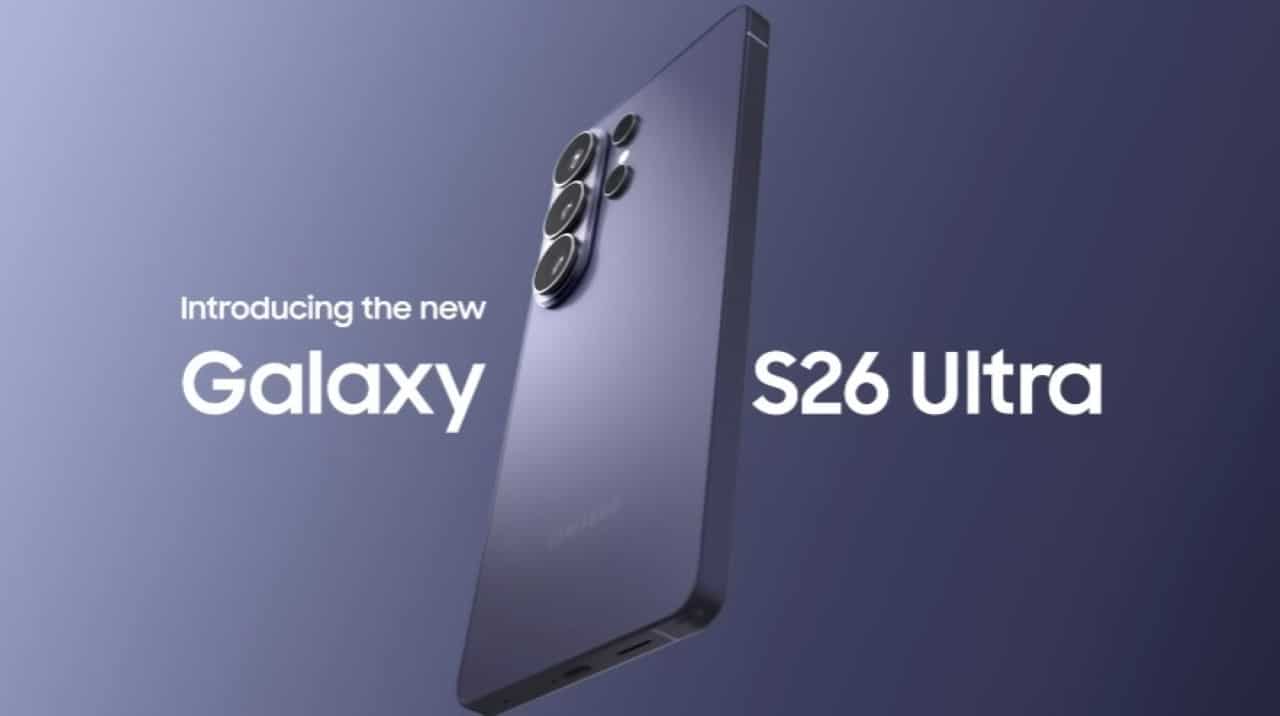
Samsung has released crucial information about the Privacy Display feature of the Galaxy S26 Ultra, a technology component designed to protect the visibility of screen content in public environments. Este announcement, which precedes the broad commercialization of the device, aims to clarify users about the features and, more importantly, the limitations of the innovation. The main goal is to ensure that consumers fully understand what to expect from the system before relying on it for sensitive information.
O recurso de tela privada permite que o usuário oculte o conteúdo exibido de olhares curiosos, especialmente em locais movimentados como transportes públicos ou cafés. Essa technology aims to significantly improve individual privacy when using a smartphone. When you deactivate it, the screen operates in a conventional way, like that of any other standard phone on the market.
Contudo, the Korean manufacturer emphasizes that activating Privacy Display does not guarantee total invisibility of the content. The effectiveness of the feature is directly influenced by variables such as the viewing angle of third parties, proximity to the device, the brightness set on the screen and environmental lighting. Estas conditions may cause parts of the content to be perceived by people nearby, even when the functionality is active.
Understanding Privacy Display technology
The Privacy Display of the Galaxy S26 Ultra represents a breakthrough in the search for greater personal digital security. Este innovative feature uses a specialized layer on the screen that restricts viewing angles, making content visible only to those directly in front of the device. In essence, it acts like a digital filter, directing the light from the screen in a more focused way.
The technology used seeks to mitigate the risks of “shoulder surfing”, where people nearby spy on what is being viewed on the cell phone. Para Therefore, it employs optical principles that control the dispersion of light, creating a type of visual barrier for anyone who is not in the main user’s vision axis. It is a concept that combines hardware and software to deliver a more reserved user experience.
Developing this type of functionality has been a priority for many technology companies, responding to a growing demand for data protection in urban environments. The ability to browse personal information or work on confidential documents without worrying about unwanted eyes is an important competitive differentiator. Samsung, by incorporating this technology into the Galaxy S26 Ultra, demonstrates its commitment to user privacy.
Samsung Alerts for Optimal Usage and Safety
Samsung was clear in stating that “caution is recommended when exposing sensitive information”. Esta statement underlines the importance of a conscientious approach on the part of users when handling sensitive data with the feature enabled. Indiretamente, the company suggests that the functionality should be understood as an additional layer of protection, and not as an infallible shield against all forms of visual intrusion.
Para maximize the effectiveness of Privacy Display, the company has provided specific guidelines that users must follow. The main recommendation is to keep the device straight and positioned close to the face, optimizing the viewing angle. Além In addition, adjusting the screen brightness to an appropriate level is essential, as excess brightness can compromise the privacy barrier.
Outro crucial point is the ideal distance between the user and the phone, as well as that of observers. Quanto the closer the device is to the owner’s face and the greater the distance from third parties, the more effective the hiding effect will be. Essas combined measures ensure that content remains visible only to the user, drastically reducing the chances of privacy breaches.
Functionality challenges and considerations
Apesar from being a welcomed and praised innovation, Samsung recognized certain “flaws” or limitations inherent in the Privacy Display technology in the Galaxy S26 Ultra. Estas are not failures in the sense of defects, but rather physical and environmental parameters that influence the performance of the resource. Entender these challenges are essential for users to adjust their expectations.
Entre the points of attention stand out:
- Critical angles:Embora restricts the side view, there may still be specific angles where content becomes partially visible.
- Excessive brightness:Telas with very high brightness can “leak” more light, even with the privacy filter.
- Ambient lighting:In very dark environments, the contrast between the screen and the surroundings can accentuate lateral visibility.
- Proximity to third parties:At a very short distance, the concealment ability is naturally reduced.
- Content Type:Textos Large, high-contrast images may be easier to discern even with the feature active.
Esses factors highlight that digital privacy is an ongoing effort that requires both technology and user awareness. Não is just about activating a resource, but using it intelligently within a specific context. Samsung, by openly disclosing these nuances, promotes a transparent relationship with its consumers.
Impact on everyday use and data security
The incorporation of the Privacy Display into the Galaxy S26 Ultra reflects a broader trend in the smartphone market, where protecting user privacy and data has become a crucial competitive differentiator. In everyday life, this functionality can transform the way people interact with their devices in public spaces. Isso includes everything from reading corporate emails to accessing banking applications or personal messages.
Data security is a growing concern, and features like this serve as a direct response to that demand. In a world where visual cyberbullying and accidental (or intentional) screen spying are realities, having a tool that minimizes these risks is valuable. Samsung, by innovating in this field, seeks to offer greater peace of mind to its users.
Maximizing Privacy with the Galaxy S26 Ultra
Para Galaxy S26 Ultra owners who want to get the most out of the Privacy Display feature, it is essential to adopt some additional practices. Além of the placement and brightness recommendations, considering the environment in which the phone is being used can make a big difference. In extremely crowded places, even the most advanced technology can have its limits.
Ajustar the sensitivity of Privacy Display, if available, or exploring screen settings to optimize contrast and colors can contribute to a superior hiding effect. It is also good practice to avoid displaying highly sensitive information in any public context, regardless of active privacy technology. Combining a smart feature with conscious usage habits offers the best defense against loss of privacy. The constant evolution of technology requires continuous adaptation from users to ensure the security of their information.
Future perspectives for privacy on mobile devices
O lançamento do Galaxy S26 Ultra com seu Privacy Display estabelece um novo padrão para o que os usuários podem esperar em termos de privacidade visual em smartphones. Este feature is not just an improvement, but indicative of a future direction, where technology increasingly adapts to individual needs for security and discretion. Research and development into screens with advanced privacy capabilities will continue to evolve, seeking even more robust and efficient solutions.
Continuous innovation promises to bring screens that dynamically adjust to the environment and the presence of observers, using artificial intelligence to optimize the experience without compromising privacy. Estes advances are crucial for mobile devices to remain essential tools for both personal and professional use, without users having to constantly worry about their information being exposed.